







- Site Navigation -
NEWS LIST
Adjustable Base Plate and Sole Plate in Construction
Author:yicheng Date:2026-07-26 14:42:11 Hits:170

What an Adjustable Base Plate Actually Does
In any temporary structure, the ground is rarely perfect. That is the simple truth builders confront on almost every site. An adjustable base plate exists to solve exactly this problem. It sits at the foot of a scaffold standard and lets the crew bring the whole frame to level even when the footing is uneven, muddy, or sloped. Without it, workers spend hours shimming and guessing.
The component is straightforward in concept but unforgiving in the details. A steel base plate carries the load from the standard down into the sole plate or onto a firm surface. The threaded screw jack gives the vertical adjustment range, and across a long run of scaffolding this single part does a lot of quiet heavy lifting.
Most site supervisors recall a scaffold that looked fine in the morning and leaned by lunch. The cause usually traces back to the base. Getting the footing right is unglamorous, yet it is the first thing a safety auditor checks.
Sole Plates and Why Load Distribution Matters
People sometimes treat the sole plate as an afterthought. That is a mistake. A sole plate, also called a sole board or mud sill, spreads the concentrated load from the base plate across a wider area of ground. Soft soil, fresh fill, or a brittle surface can otherwise punch through under scaffold loads. In sole plate construction, the board is the layer of insurance between your structure and the earth beneath it.
Good practice pairs the adjustable sole plate with the base plate so the two work as a system. The base plate handles alignment and fine adjustment; the sole plate handles bearing. Together they keep the scaffold from settling or tilting, which is when accidents happen.
Standards bodies put real numbers behind this thinking. They set minimum plate sizes and bearing areas for a reason, and ignoring them is a gamble with the structure overhead.
How a Factory Builds These to Last
Not every base plate is made the same way. The difference usually shows up after a season of weather, not on day one. A responsible manufacturer starts with the steel grade and the plate thickness, because those decide how the part behaves under repeated load and corrosion. For any construction base plate, galvanizing, welding quality, and the precision of the threaded screw jack all matter more than they look on a spec sheet.
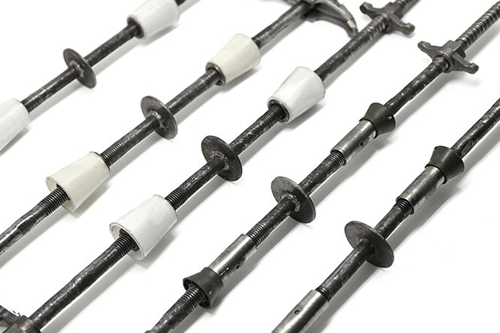
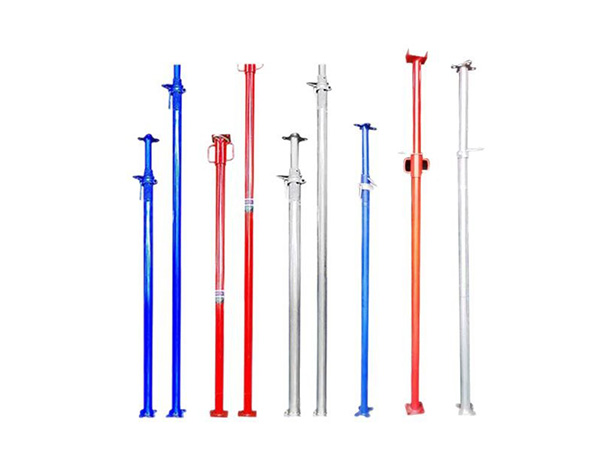
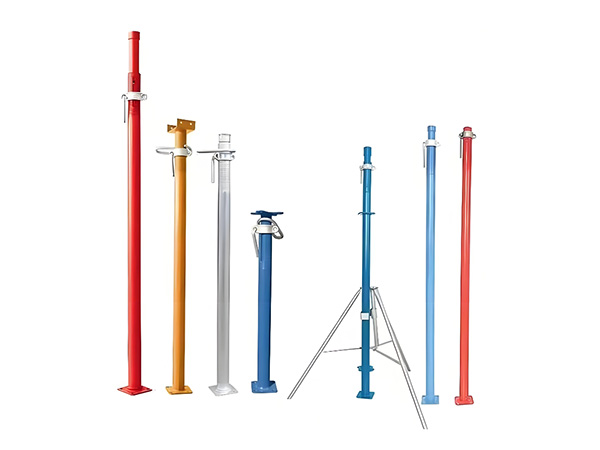
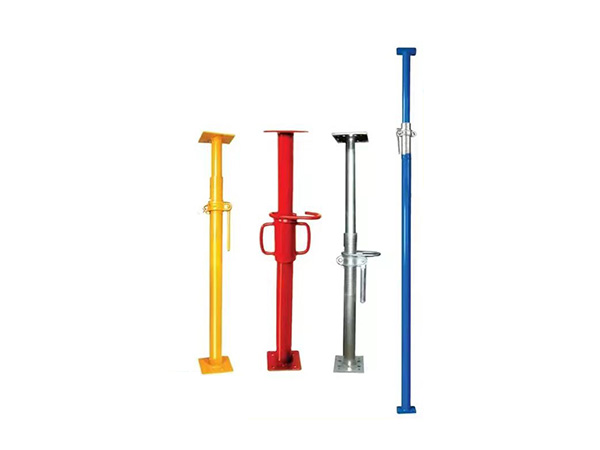
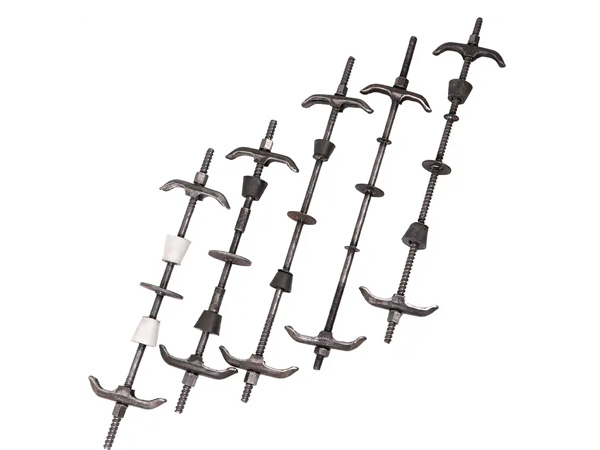
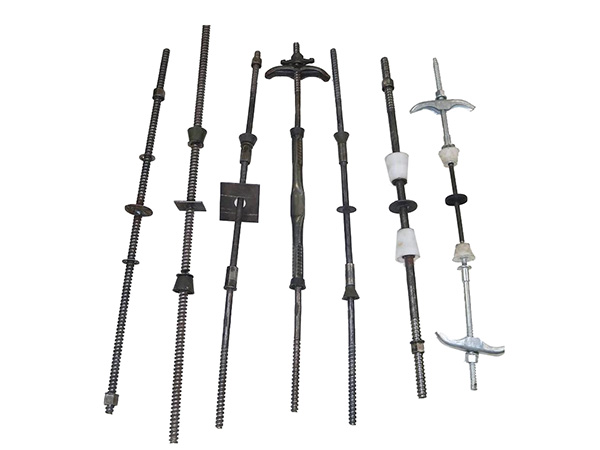
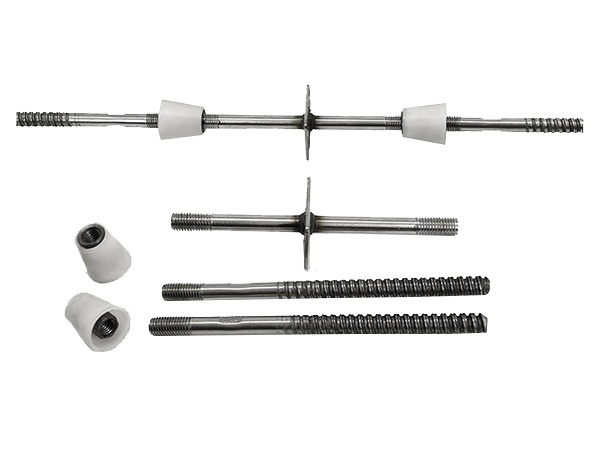
At Hebei Yicheng New Building Materials Co., Ltd., we supply adjustable base plates and adjustable sole plates as part of a broader range that includes steel support, adjustable screw jack, coupler, wall-tie bolt, and complete scaffolding systems. As a factory, we control the production line from raw material to finished product, which lets us keep tolerances tight and delivery steady for distributors who need volume they can trust.
Testing tells the rest of the story. A credible manufacturer samples plates for thread run-out, plate flatness, and coating thickness rather than trusting a batch by appearance. Those checks are what let a distributor promise consistency to a distant customer.
Choosing the Right Base Plate Supplier
Buying on price alone is tempting, especially when a tender is tight. But the base plate is a load-bearing safety component, not a cosmetic fitting. A reliable adjustable base plate supplier should be able to show you the standard their product meets, explain the adjustment range, and tell you the plate dimensions without hesitation. If those answers are vague, the savings will not feel like savings after an inspection fails.
It helps to work with a base plate manufacturer that understands the full scaffold, not just the foot. When your supplier also produces couplers, screw jacks, and wall-tie bolts, the parts are more likely to be designed to work together. Fewer surprises on site, fewer incompatible fittings, and a single point of accountability when something needs replacing.
Lead time is the factor everyone underestimates. A base plate ordered today rarely arrives before the crew needs it, so stock depth and shipping discipline matter as much as the steel.
Beyond Base Plates: A Complete Scaffolding System
A base plate rarely works alone. Around it sits an entire system of standards, ledgers, transoms, and couplers, each depending on the others to hold the line. Steel support elements take the compression; wall-tie bolts anchor the frame to the structure so wind load does not walk it over. The adjustable screw jack at the top or bottom fine-tunes level.
For contractors, sourcing that machine from one manufacturer simplifies logistics. One factory, one quality system, one shipment to track. For distributors, it means a coherent catalog rather than a patchwork of orphan components. That coherence is what we aim to supply at Hebei Yicheng, where the adjustable base plate and sole plate are the ground-level start of a larger system.
Training ties it together. Even the best base plate fails if set on a blocked sole board or over-tightened until the thread binds. Guidance belongs in the package.
Join Our Global Distributor Network
References
1. BS EN 74-1:2005. Couplers, loose fittings and base plates for use in working scaffolds. London: BSI British Standards.
2. U.S. Department of Labor, Occupational Safety and Health Administration. 29 CFR 1926, Subpart L — Scaffolds. Washington, DC: OSHA.
3. Hurd, M.K. Formwork for Concrete. 7th edition. American Concrete Institute, ACI SP-4.

Contact Us
Tel:+86-15831733891
E-mail:yichengbuildingmaterials@gmail.com
Add:100 meters south of Weicun Village, Hechengjie Town, Xian County, Cangzhou City, Hebei Province
Url:https://www.yc-buildingmaterials.com