







- Site Navigation -
NEWS LIST
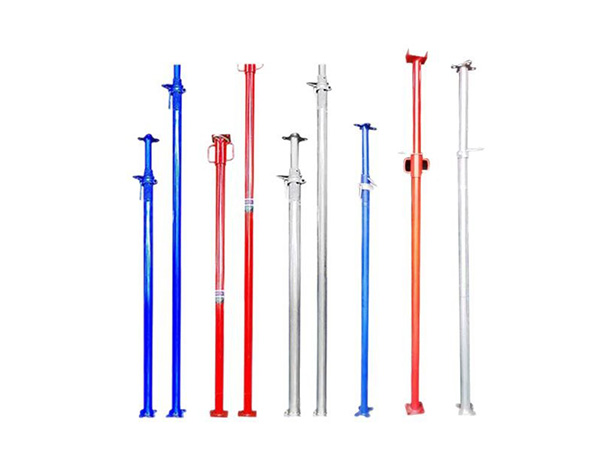
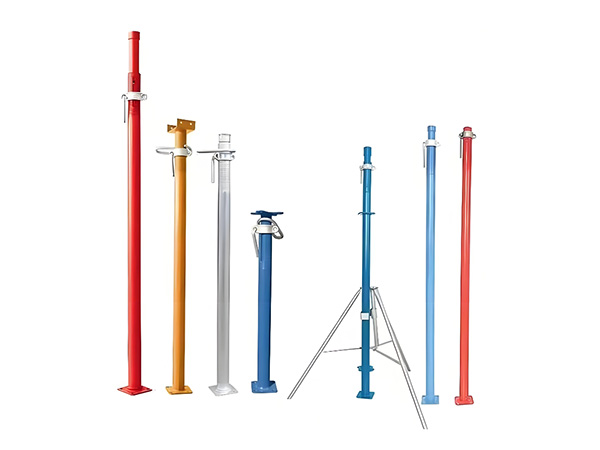
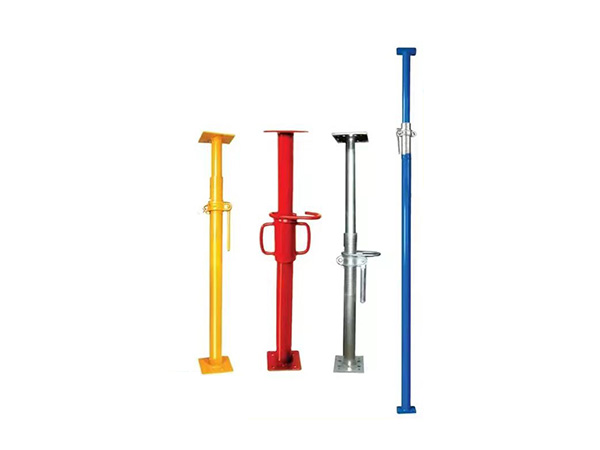
Adjustable Screw Jack Maintenance and Troubleshooting Guide
Author:yicheng Date:2026-08-01 15:47:39 Hits:52
Why Proper Maintenance of Adjustable Screw Jacks Matters on Every Job Site
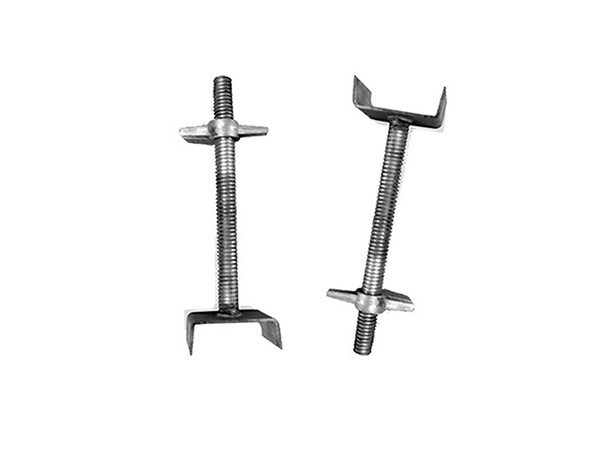
Adjustable screw jacks are among the most hardworking components on any construction site. They support formwork, stabilize structures, and bear heavy loads day after day, often in harsh conditions. A worn or damaged jack does not just reduce efficiency — it creates genuine safety hazards. Routine maintenance costs far less than emergency replacements or workplace incidents. This guide walks through the key maintenance tasks and common problems every construction professional should understand.

Regular Inspection: The Foundation of Screw Jack Longevity
Inspect adjustable screw jacks before every major use and at regular intervals during continuous operation. Start with a visual check of the outer sleeve and threaded rod. Look for signs of bending, cracking, or corrosion — especially near weld points and threaded sections. Even surface rust can compromise load capacity over time.
Check that the adjusting nut turns smoothly without excessive resistance or grinding. If it resists movement, dirt, debris, or damaged threads are likely the cause. Examine the base plate and bearing surface at the top of the jack. Warped or worn plates reduce stability and should be replaced rather than used. According to Scaffolding and Formwork Handbook edited by J. R. Eyres (Elsevier, 2017), regular visual and functional inspections of adjustable support equipment should be logged as part of a site overall safety management system.
Cleaning and Lubrication: Two Steps You Cannot Skip
Dirt, cement dust, and moisture are the enemies of any threaded mechanism. After each use — especially on formwork projects where concrete splatter is unavoidable — clean the threaded rod thoroughly. Use a stiff brush to remove dried concrete or mud from the threads, then wipe the rod clean.
Once clean, apply a consistent layer of appropriate lubricant. Grease or thread lubricant reduces friction, protects against corrosion, and keeps the adjusting nut moving freely. Pay special attention to the threads — this is where wear shows up first. If the jack will be stored for any length of time, apply a heavier protective coating of grease or rust inhibitor. Moisture in storage areas is a common cause of corrosion damage that goes unnoticed until the jack is needed again.
Common Problems and How to Troubleshoot Them
A screw jack that will not extend or retract smoothly is one of the most frequent complaints. In most cases, the culprit is contamination of the threads — concrete dust, sand, or debris built up over repeated use. Disassemble the nut housing if possible, clean the threads completely, and re-lubricate before reassembling. This simple step resolves the issue in the majority of cases.
Binding or uneven movement usually indicates a bent threaded rod or a misaligned sleeve. Continuing to use a jack in this condition places eccentric loads on the structure, increasing the risk of failure. Loose or stripped adjusting nuts also deserve immediate attention — a stripped nut cannot hold the load securely and will slip under pressure. Depending on severity, replace the nut or the entire jack assembly.
Storage, Handling, and Best Practices for Long-Term Performance
How you store adjustable screw jacks matters as much as how you use them. Keep them upright and protected from the elements. Stacking heavy jacks carelessly can bend sleeves or damage threads. Use racks or dedicated storage areas where each jack is supported properly.
When transporting jacks between sites, protect the threaded rods from impact and contamination. A simple plastic cap over the exposed thread prevents damage in transit. Keep a maintenance log for your equipment fleet — record inspection dates, issues found, and repairs performed. This habit makes it easier to spot wear patterns, identify jacks that need retirement, and demonstrate due diligence. Industry guidelines from the International Scaffold Federation emphasize that documented inspection and maintenance records are an essential part of responsible equipment management on construction sites worldwide.
When to Replace Instead of Repair
Not every damaged jack is worth repairing. Guidelines from the Scaffolding Industry Association recommend retiring any equipment that shows visible deformation, significant thread wear, or evidence of overloading — even if the damage appears minor. The cost of a new jack from a trusted adjustable screw jack manufacturer is a minor investment compared to the potential consequences of equipment failure.
If a jack has been subjected to an extreme load event, such as a formwork collapse or sudden impact, retire it immediately regardless of how it looks. Internal damage may not be visible but can make the jack unsafe under load. Developing a clear replacement policy with consistent visual criteria takes the guesswork out of equipment decisions and keeps your site safer.
References
Eyres, D. J., and Bruce, G. J. (2017). Scaffolding and Formwork Handbook. Elsevier.
International Scaffold Federation. (2008). ISF Guidelines for Scaffolding Inspection and Safety. ISF Publications.
Scaffolding Industry Association. (2015). Scaffolding Equipment Management Best Practices. SIA Technical Guidelines Series.
Join Our Global Distributor Network

Contact Us
Tel:+86-15831733891
E-mail:yichengbuildingmaterials@gmail.com
Add:100 meters south of Weicun Village, Hechengjie Town, Xian County, Cangzhou City, Hebei Province
Url:https://www.yc-buildingmaterials.com