







- Site Navigation -
NEWS LIST
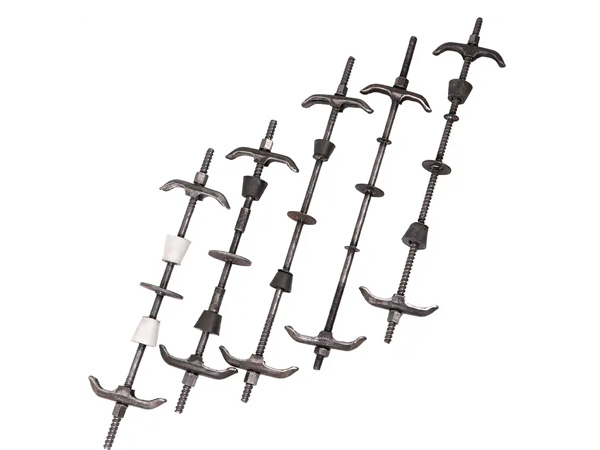
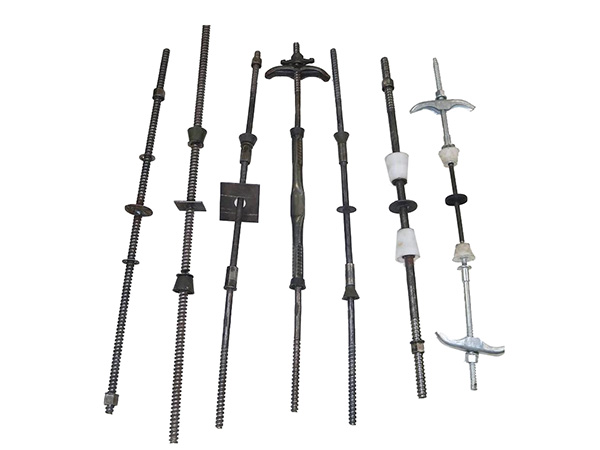
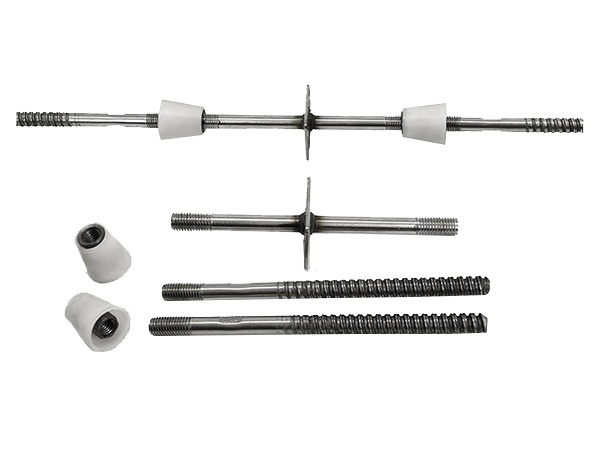
Cast Iron Coupler Overview for Construction Projects
Author:yicheng Date:2026-01-23 19:45:26 Hits:159
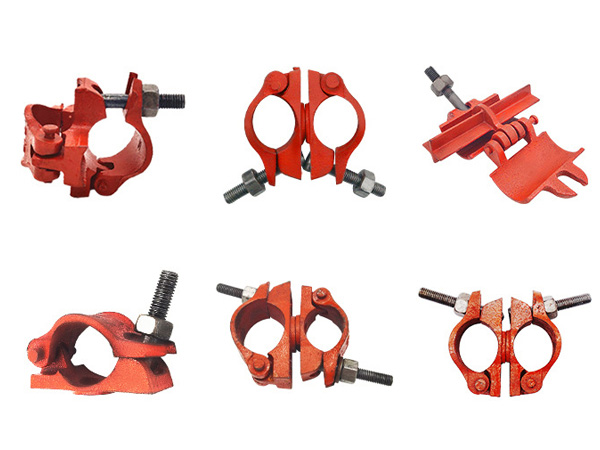
Why Cast Iron Coupler Matters in Modern Construction
In today’s construction industry, structural reliability and assembly efficiency are no longer optional. They are essential. One of the most trusted components supporting temporary and permanent structures is the Cast Iron Coupler. Widely used in scaffolding and steel tube systems, a Cast Iron Coupler provides strong mechanical connections that allow frames, platforms, and supports to work safely under heavy load conditions.
From infrastructure projects to industrial buildings, the demand for consistent, high-strength couplers continues to grow. As a professional Cast Iron Coupler Manufacturer with production and factory supply capability, large-scale manufacturing ensures uniform quality, stable delivery, and performance reliability for global construction needs.
This article explains how Cast Iron Coupler systems work, what makes them valuable for construction projects, and how factory-level production improves efficiency and safety.
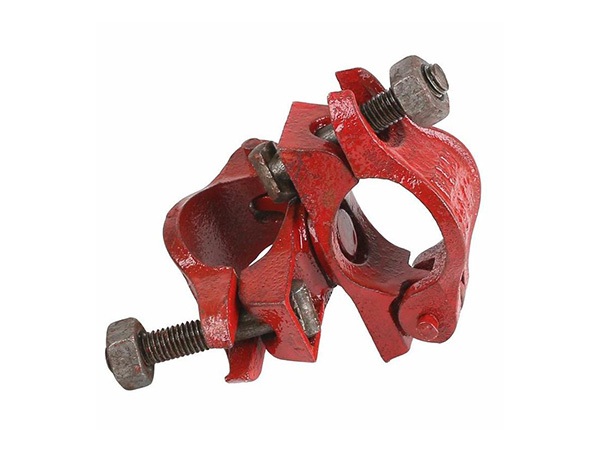
What Is a Cast Iron Coupler?
A Cast Iron Coupler is a mechanical fitting used to connect steel tubes in scaffolding structures. Unlike welded joints, couplers allow fast installation, easy adjustment, and flexible assembly without damaging pipes.
Cast iron is selected because of its excellent compressive strength, wear resistance, and long service life. The casting process also allows precise shaping, enabling the coupler to maintain tight grip under vibration and load changes.
Typical functions include:
·Fixing horizontal and vertical tubes
·Transferring load between connected members
·Maintaining scaffold geometry and alignment
·Improving safety under dynamic construction conditions
Because of these advantages, Cast Iron Coupler systems are widely adopted in bridges, industrial plants, commercial buildings, and temporary access platforms.
Structural Design and Working Principle
The performance of a Cast Iron Coupler depends heavily on its internal geometry and clamping mechanism. Most designs use a bolt-tightened structure that applies uniform pressure around the steel tube surface.
Key design elements include:
·Precision casting body for consistent load distribution
·High-strength bolts for tightening force
·Surface machining for accurate tube contact
·Anti-slip profiles to prevent movement during use
When installed, the coupler transfers axial, shear, and bending loads between connected pipes. Properly manufactured cast iron structures prevent deformation while maintaining long-term stability in changing site conditions.
From a factory production perspective, controlled casting and machining processes help ensure every coupler performs consistently in demanding construction environments.
Advantages of Using Cast Iron Coupler Systems
Choosing a Cast Iron Coupler for construction projects offers multiple technical and operational benefits.
1. High Load Capacity
Cast iron materials provide excellent compressive strength, allowing couplers to support heavy scaffolding loads without distortion.
2. Installation Efficiency
Couplers allow quick assembly and disassembly, reducing labor time compared with welded systems.
3. Durability and Longevity
With proper surface treatment, cast iron couplers resist corrosion, abrasion, and fatigue under repeated use.
4. Structural Flexibility
Unlike fixed joints, couplers enable modular construction, helping teams adjust layouts as projects evolve.
5. Factory-Controlled Consistency
A professional Cast Iron Coupler Factory with production capability can maintain dimensional accuracy and quality stability for bulk supply.
These advantages make Cast Iron Coupler systems suitable for both temporary scaffolding and semi-permanent structural applications.
Manufacturing and Production Process
The reliability of a Cast Iron Coupler begins in the production stage. Factory-based manufacturing ensures that every unit meets performance expectations before reaching the job site.
Typical production workflow includes:
1.Material selection – high-grade cast iron for strength and durability
2.Molding and casting – precision molds create consistent shapes
3.Heat treatment – improves mechanical performance
4.Machining – ensures accurate fit with steel tubes
5.Surface treatment – enhances corrosion resistance
6.Inspection and testing – verifies load capacity and dimensional stability
Large-scale manufacturer production systems allow batch consistency, enabling contractors to rely on uniform coupler behavior across entire projects.
This production-driven approach reduces installation risk and supports long-term performance in demanding construction environments.
Applications in Construction Projects
Cast Iron Coupler solutions are widely used across different project types.
Common application areas include:
·Building scaffolding platforms
·Bridge construction access systems
·Industrial maintenance structures
·Temporary support frames
·Modular construction assemblies
In each case, the coupler ensures that steel tubes remain properly aligned, preventing instability and excessive movement. With factory-level production support, contractors can maintain steady material flow throughout long construction cycles.
Quality Control and Safety Considerations
Safety performance is directly related to coupler quality. A reliable Cast Iron Coupler Manufacturer focuses heavily on inspection and testing.
Important quality factors include:
·Dimensional tolerance control
·Bolt torque verification
·Load testing simulation
·Surface integrity inspection
·Fatigue performance validation
Factory testing ensures that couplers can perform under real jobsite stresses, improving overall project safety while lowering maintenance risks.
Consistent production and standardized inspection systems help ensure that every coupler installed contributes positively to structural reliability.
Choosing the Right Cast Iron Coupler Supplier
When sourcing Cast Iron Coupler systems, it is important to focus on production capability rather than price alone.
Key selection criteria include:
·Manufacturer-level factory operation
·Stable production output
·Quality inspection systems
·Batch consistency
·Long-term supply capacity
A supplier with integrated production and factory manufacturing strength ensures smoother project execution and minimizes unexpected material problems during construction.
Conclusion: Cast Iron Coupler as a Core Construction Component
The Cast Iron Coupler remains one of the most essential components in modern construction scaffolding and structural systems. Its high strength, installation flexibility, and durability make it suitable for a wide range of project environments.
Backed by professional manufacturer production and factory supply capability, Cast Iron Coupler systems deliver consistent quality, efficient installation, and long-term performance stability.
For construction teams seeking reliable connection solutions, focusing on high-precision Cast Iron Coupler manufacturing ensures safety, efficiency, and structural confidence throughout every stage of the project lifecycle.
References
GB/T 7714:Liu H, Meng Y, Jia L, et al. Structural behavior of steel tube and coupler scaffolds with stability strengthening details[J]. International Journal of Steel Structures, 2018, 18(1): 79-95.
MLA:Liu, Hongbo, et al. "Structural behavior of steel tube and coupler scaffolds with stability strengthening details." International Journal of Steel Structures 18.1 (2018): 79-95.
APA:Liu, H., Meng, Y., Jia, L., Chen, Z., Liu, Q., & Wen, S. (2018). Structural behavior of steel tube and coupler scaffolds with stability strengthening details. International Journal of Steel Structures, 18(1), 79-95.

Contact Us
Tel:+86-15831733891
E-mail:yichengbuildingmaterials@gmail.com
Add:100 meters south of Weicun Village, Hechengjie Town, Xian County, Cangzhou City, Hebei Province
Url:https://www.yc-buildingmaterials.com