







- Site Navigation -
NEWS LIST
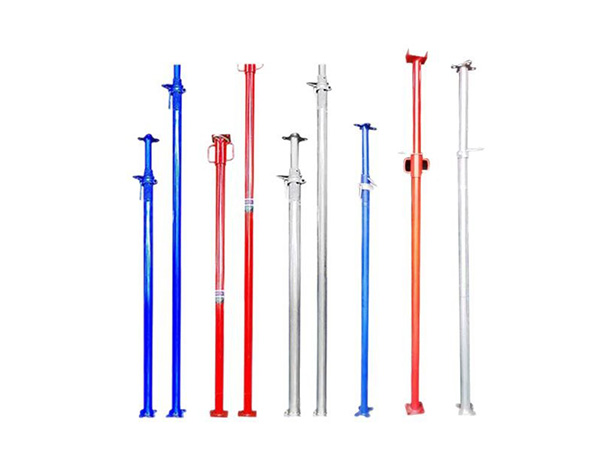
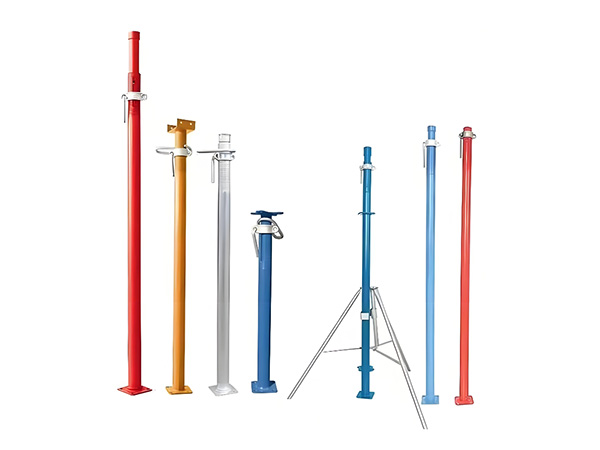
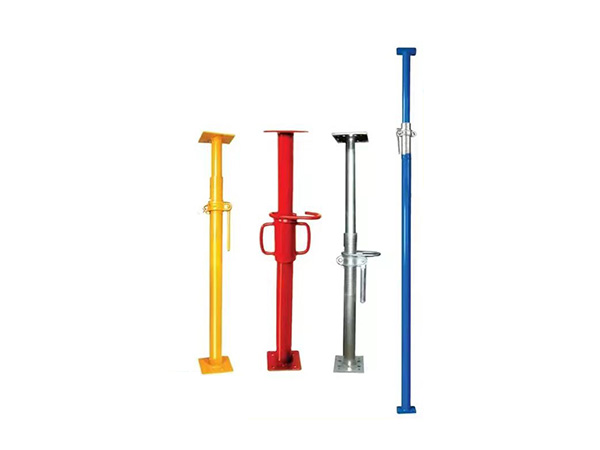
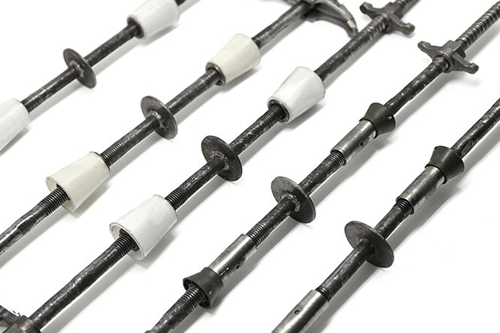
Construction Formwork Accessories and Tie Rod Systems
Author:yicheng Date:2026-08-10 17:07:23 Hits:152
Understanding Construction Formwork Accessories and Their Role in Modern Building
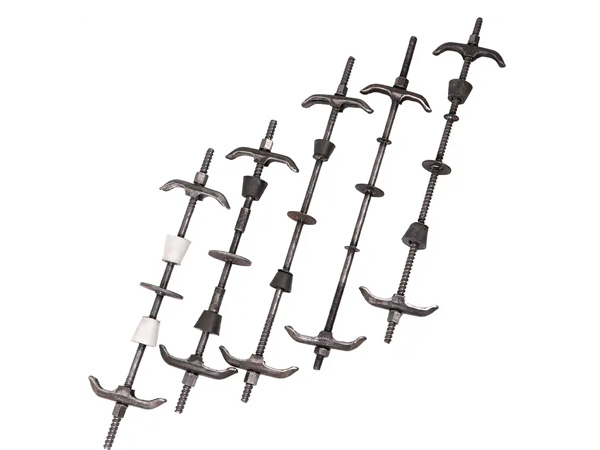
The success of any concrete structure depends heavily on the quality of the formwork system that shapes it during curing. Construction formwork accessories form the backbone of this temporary network, ensuring that walls, slabs, and columns achieve their intended geometry and structural integrity. From tie rod systems and waling frames to couplers, wall tie bolts, and adjustable jacks, each component plays a distinct role in managing the immense lateral and vertical pressures exerted by wet concrete. At Hebei Yicheng New Building Materials Co., Ltd., we operate as a dedicated construction formwork manufacturer and supplier, delivering hardened steel components engineered for repeated use on demanding job sites around the world. Whether you need standard formwork hardware or custom-designed tie rod components, partnering with a factory that enforces rigorous quality control is essential for maintaining safety and efficiency across every project phase. A responsible supplier must understand not only individual product specifications but also how each piece integrates into the broader assembly.

The Anatomy of a Tie Rod System in Formwork Applications
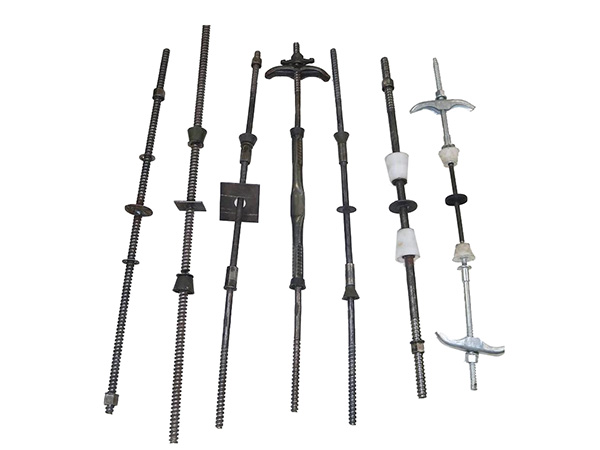
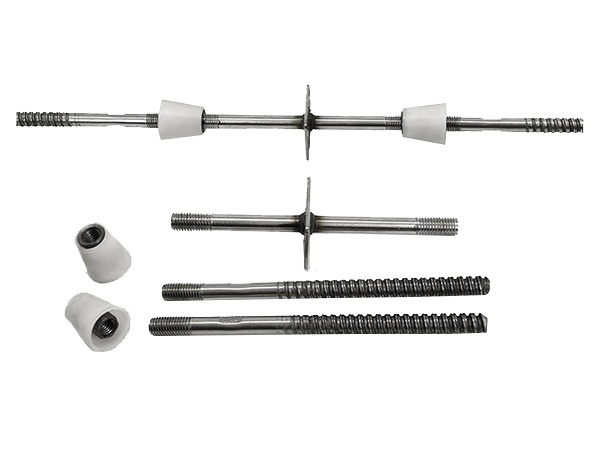
A tie rod system is one of the most critical load-bearing elements in wall formwork assemblies. Tie rods, frequently used alongside waling ties and wall ties, pass through formwork panels to resist the lateral pressure of fresh concrete while maintaining precise spacing. The tie rod construction typically uses high-strength steel with threaded ends designed to accept wing nuts and washers. As noted in M. K. Hurd's reference "Formwork for Concrete" (American Concrete Institute, 2005), proper tie rod selection and spacing are directly linked to formwork safety and concrete surface quality. A formwork accessory supplier must verify that every tie rod meets tensile strength specifications and undergoes dimensional inspection before leaving the factory. Our manufacturing facility supplies tie rod systems in multiple diameters and lengths to accommodate various wall thicknesses and pour conditions. Each batch is tested to confirm steel grade and thread quality, giving contractors confidence during a full-height pour.
Waling Frames and Their Contribution to Formwork Stability
Waling frames, also called walers or waling beams, distribute clamping forces from tie rods across wider panel surfaces. These horizontal members prevent localized deformation and maintain consistent wall thickness during the concrete pour. According to ACI 347R-14 "Guide to Formwork for Concrete," waling members must resist both bending moments and shear forces induced by concrete pressure at various pour rates. A manufacturer that understands these engineering principles produces waling frames with adequate section modulus and connection points that match standard tie rod spacing patterns. Our factory manufactures heavy-duty waling frames from structural steel sections with pre-drilled holes compatible with common tie rod configurations. This standardization reduces site assembly time and prevents mismatched components—a clear benefit of sourcing from a single formwork accessory supplier. Well-designed waling frames also extend formwork reusability by protecting panel edges across multiple pour cycles, delivering long-term value on repeated jobs.
Essential Formwork Hardware for Safe and Efficient Operations
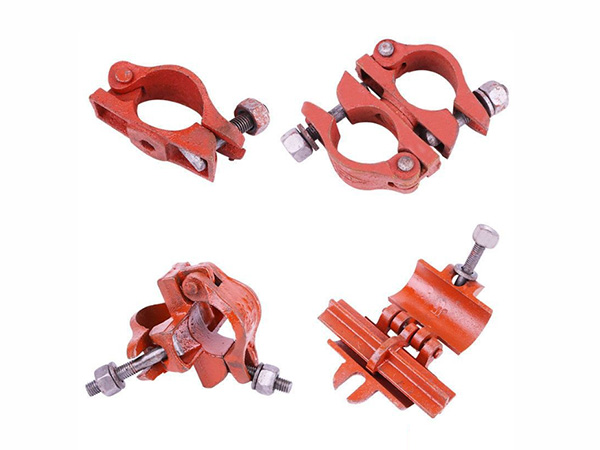
Beyond tie rods and waling frames, a complete formwork system depends on supporting hardware that connects, braces, and adjusts the assembly. Adjustable screw jacks provide vertical support and fine height adjustment for precise leveling on uneven ground. Couplers connect tubular members in support frameworks, while wall tie bolts secure panel edges while allowing quick stripping and efficient reuse cycle after cycle. Each item saves significant time and cost when procured from a single construction formwork manufacturer who maintains consistent quality across the range. Good formwork hardware features durable threading, corrosion-resistant surface treatment, and reliable load ratings that contractors can depend on. As Illingworth discusses in "Construction Methods and Planning" (Taylor & Francis, 2000), construction efficiency often hinges on the reliability of its temporary works. A supplier who maintains comprehensive stock and offers practical technical guidance reduces project delays and eliminates the hassle of chasing multiple sub-suppliers for individual components.
Quality Standards and Factory Production of Formwork Components
The production environment for formwork hardware must prioritize metallurgical consistency and dimensional accuracy. At our factory, raw steel is inspected upon arrival, then processed through cutting, threading, bending, and surface treatment under strict supervision. Tensile testing is performed on samples from each batch to verify mechanical properties before shipment. This approach distinguishes a professional formwork accessory supplier from a simple reseller. When you partner with a dedicated construction formwork manufacturer, you gain access to engineering consultation, custom fabrication, and a supply chain that responds to project schedules. Whether you need standard tie rod systems, specialized waling tie configurations, or custom-length formwork hardware, a direct factory relationship ensures faster communication and better technical alignment with competitive pricing.
Building Long-Term Partnerships Through Quality and Service
Selecting the right construction formwork accessories and tie rod systems directly affects project safety, schedule performance, and budget management. A knowledgeable supplier contributes engineering insight and quality assurance that protect your investment. We welcome inquiries from contractors, engineering firms, and distribution partners seeking a dependable ally in temporary works solutions.
Join Our Global Distributor Network
References
Hurd, M. K. (2005). Formwork for Concrete (7th ed.). American Concrete Institute.
ACI Committee 347. (2014). Guide to Formwork for Concrete (ACI 347R-14). American Concrete Institute.
Illingworth, J. R. (2000). Construction Methods and Planning (2nd ed.). Taylor & Francis.

Contact Us
Tel:+86-15831733891
E-mail:yichengbuildingmaterials@gmail.com
Add:100 meters south of Weicun Village, Hechengjie Town, Xian County, Cangzhou City, Hebei Province
Url:https://www.yc-buildingmaterials.com