







- Site Navigation -
NEWS LIST
Formwork Shoring Design for Concrete Construction
Author:yicheng Date:2026-05-25 15:52:59 Hits:50

Formwork Shoring Design for Concrete Construction
Formwork shoring systems carry the substantial loads generated during concrete placement—loads that include the weight of fresh concrete, formwork, reinforcement, construction equipment, and workers. Proper shoring design ensures these loads transfer safely to supporting structures below while maintaining formwork position within specified tolerances.

Understanding Formwork Loading
Concrete exerts hydrostatic pressure on formwork proportional to placement depth and rate. A cubic meter of fresh concrete weighs approximately 2,400 kg, generating significant vertical loads on shoring systems. Additional live loads from workers, equipment, and material storage must be included in design calculations.
Professional shoring system manufacturers provide load calculation guidance based on ACI 347 recommendations and local building code requirements. They help contractors determine appropriate shoring configurations that safely support calculated loads without excessive safety margins that waste material and labor.
Single-Level and Multi-Level Shoring
Single-level shoring supports formwork directly above ground or completed slabs with adequate strength. Multi-level shoring uses stacked levels when newly placed slabs must support shoring loads for concrete above. Each level must carry loads from all levels above, requiring careful load path analysis through the structure.
Leading multi-level shoring suppliers provide design guidance for load distribution through partially cured concrete slabs. They can recommend reshoring sequences that allow progressive load transfer to completed floors while maintaining structural integrity throughout the construction process.
Shoring Tower Configuration Options
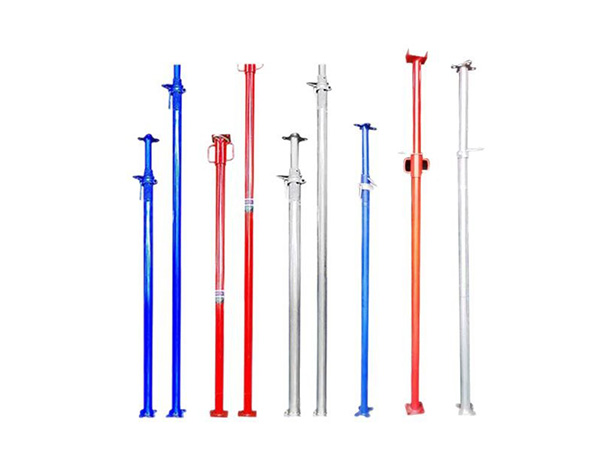
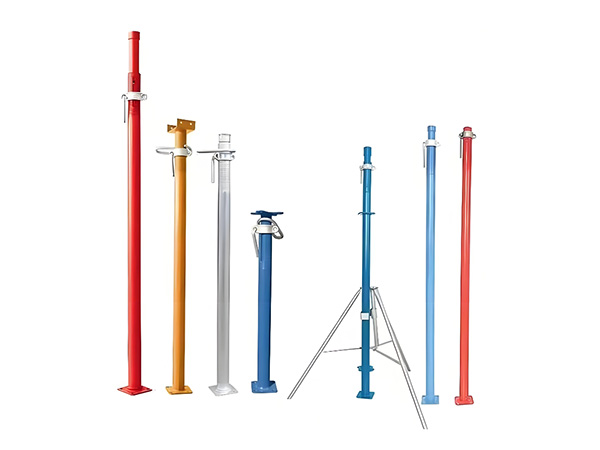
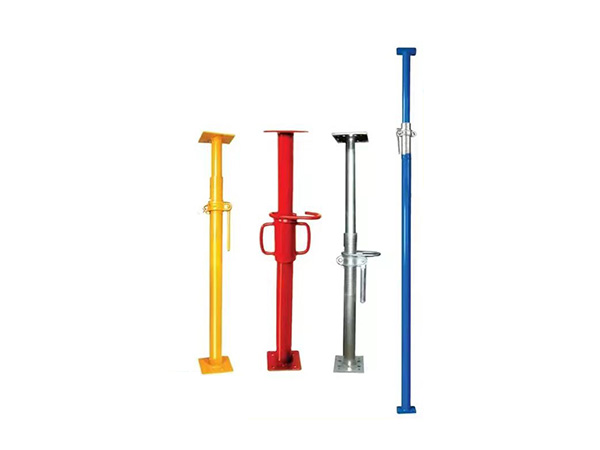
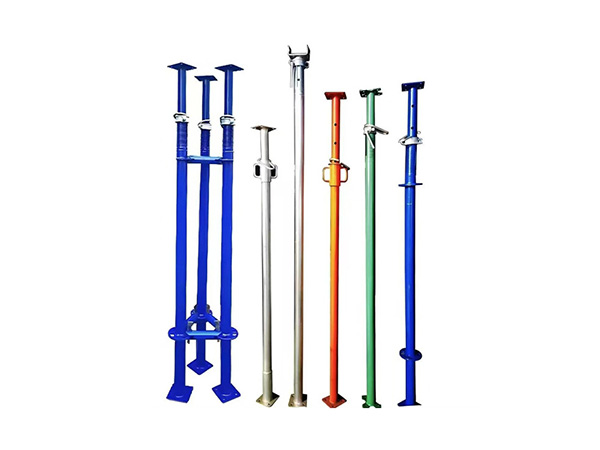
Shoring towers can be configured using modular frame systems, ringlock or cuplock standards, or individual steel props arranged in frames. Each configuration offers different advantages in load capacity, assembly speed, and adaptability to varying site conditions.
Experienced shoring tower manufacturers offer multiple system options and can recommend appropriate configurations based on load requirements, height constraints, and formwork layout. They provide technical support for tower design, including connection details and bracing arrangements that ensure structural stability.
Bracing and Stability Requirements
Shoring systems require adequate bracing to resist lateral forces from wind, construction activities, and accidental impacts. Horizontal and diagonal bracing prevents progressive collapse by distributing lateral forces across multiple towers. Bracing design must consider both in-plane and out-of-plane stability requirements.
Quality-focused shoring component suppliers provide bracing components designed for compatibility with their primary structural members. They also offer installation guidelines specifying bracing locations, connection details, and inspection requirements that ensure shoring stability throughout construction operations.
Reshoring and Load Transfer Sequences
Reshoring involves removing shoring from below cured concrete and reinstalling it in a different configuration to support new construction above. Proper reshoring sequences allow concrete to develop adequate strength before carrying shoring loads while maintaining sufficient support for ongoing construction above.
Reputable reshoring system suppliers provide guidance on reshoring sequences based on concrete strength development, structural design requirements, and construction schedules. They also offer adjustable reshoring posts that can be installed with minimal disturbance to finished slab surfaces below.
Monitoring and Quality Assurance
Shoring system performance should be monitored throughout concrete placement operations. Visual inspection during and after concrete pouring detects settlement, displacement, or connection failures early. For critical applications, settlement monitoring using optical instruments provides quantitative data on shoring system behavior under load.
Established formwork support factories provide inspection checklists, monitoring guidelines, and emergency procedures for shoring operations. They also offer technical support for troubleshooting problems that may arise during concrete placement, helping contractors respond effectively to unexpected conditions.
Making Informed Shoring Design Decisions
Formwork shoring design requires understanding concrete loads, structural load paths, shoring system capabilities, and construction sequencing. Engage experienced shoring system suppliers and structural engineers early in the planning process, provide comprehensive project information, and develop detailed shoring plans before construction begins.
Properly designed formwork shoring delivers safe, reliable support for concrete construction operations. By understanding design principles and partnering with knowledgeable suppliers, contractors can implement shoring solutions that protect workers, ensure concrete quality, and maintain construction schedules.
References
American Concrete Institute (ACI) - ACI 347: Guide to Formwork for Concrete
Occupational Safety and Health Administration (OSHA) - Concrete and Masonry Construction Standard 1926.700
American Institute of Steel Construction (AISC) - Steel Construction Manual, Column Design

Contact Us
Tel:+86-15831733891
E-mail:yichengbuildingmaterials@gmail.com
Add:100 meters south of Weicun Village, Hechengjie Town, Xian County, Cangzhou City, Hebei Province
Url:https://www.yc-buildingmaterials.com