







- Site Navigation -
NEWS LIST
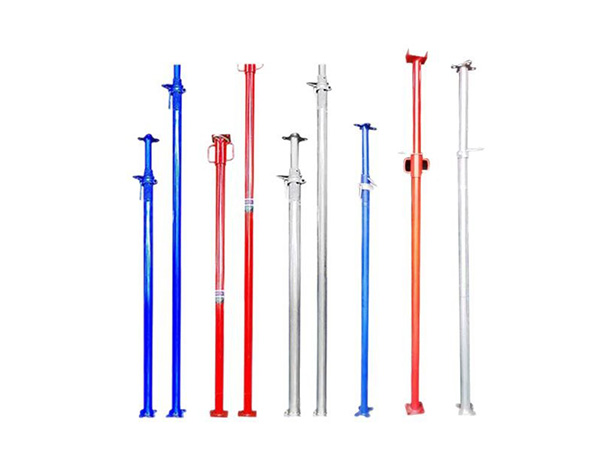
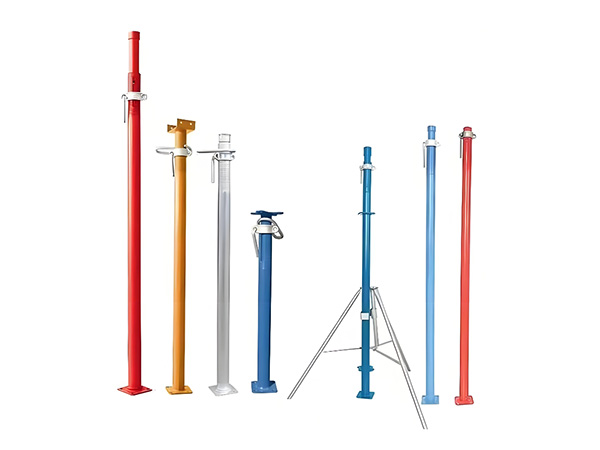
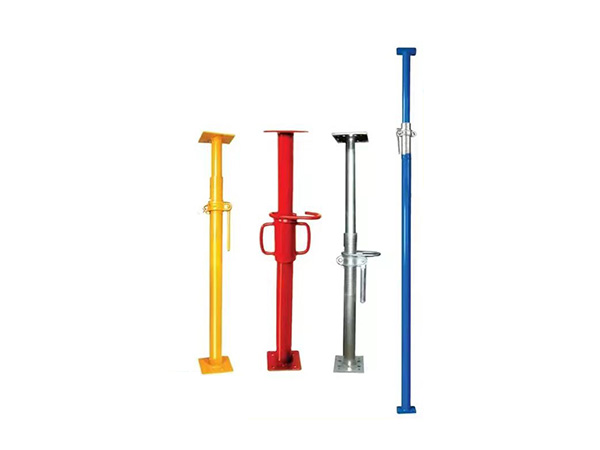
Galvanized Scaffolding Components for Corrosion Protection
Author:yicheng Date:2026-05-28 16:08:14 Hits:89

Scaffolding components face relentless exposure to weather, concrete splatter, and rough handling on construction sites. Without adequate corrosion protection, steel components deteriorate rapidly, compromising both safety and economic value. Hot-dip galvanizing provides the most effective and economical long-term corrosion protection for scaffolding equipment, extending service life far beyond painted alternatives.
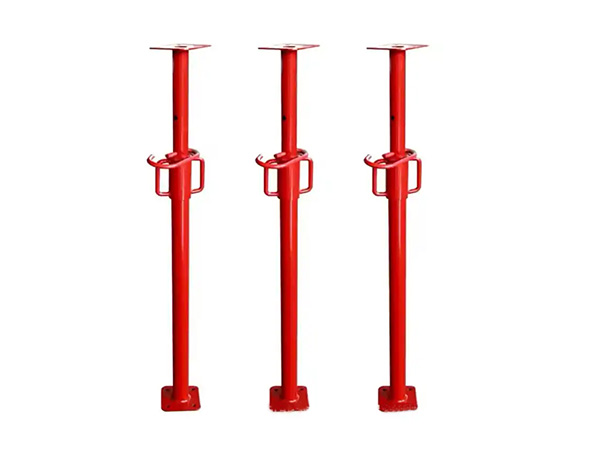
The Hot-Dip Galvanizing Process
Hot-dip galvanizing involves immersing cleaned steel components in molten zinc at approximately 450°C. The zinc reacts with steel to form metallurgically bonded alloy layers topped by a pure zinc outer layer. This coating system provides both barrier protection and cathodic (sacrificial) protection that prevents corrosion even at damaged areas.
Professional galvanized scaffolding manufacturers operate dedicated galvanizing lines or partner with certified galvanizing facilities. They implement comprehensive quality control programs including surface preparation verification, bath temperature monitoring, and coating thickness testing to ensure consistent galvanizing quality across production batches.
Coating Thickness and Performance
ISO 1461 specifies minimum zinc coating thicknesses based on steel thickness. For typical scaffolding components using steel 3-6mm thick, minimum coating thickness is 55 microns (390 g/m²). This coating thickness provides 20-30 years of maintenance-free service in moderate environments and 10-15 years in aggressive coastal or industrial atmospheres.
Leading galvanized scaffold suppliers specify coating thicknesses exceeding ISO minimums to provide additional corrosion protection margins. They also conduct regular salt spray testing per ISO 9227 to verify coating performance under accelerated corrosion conditions.
Advantages Over Paint Systems
Galvanized coatings offer several advantages over paint systems for scaffolding applications. The metallurgical bond provides superior adhesion that resists chipping, scratching, and impact damage common during scaffold assembly and disassembly. When damage occurs, zinc's cathodic protection prevents rust from spreading beneath adjacent coating areas—a phenomenon that rapidly undermines paint systems.
Experienced scaffolding component factories offer galvanized components as standard because the lifecycle cost savings are substantial. While galvanized components cost 15-25% more initially, they deliver 3-5 times the service life of painted alternatives in typical construction environments, resulting in significantly lower cost per use cycle.
Component-Specific Galvanizing Considerations
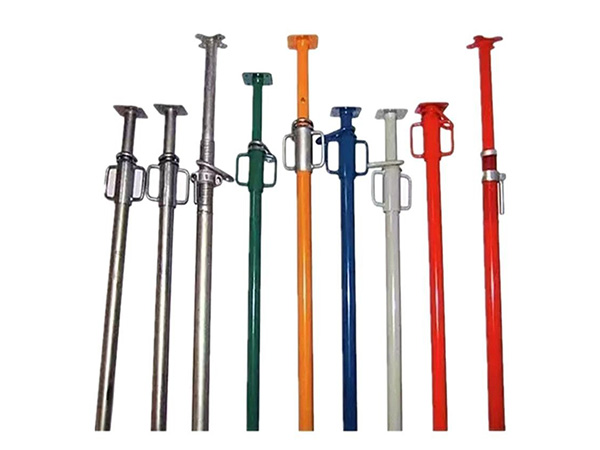
Different scaffolding components present unique galvanizing challenges. Tubes require internal coating protection—achieved by ensuring zinc flows through the tube interior during immersion. Couplers with threads need coating control to prevent thread interference. Adjustable jacks require thread protection to maintain smooth adjustment action after galvanizing.
Quality-focused galvanized component suppliers have developed specialized processing techniques for each component type. They use centrifuging for small parts to prevent zinc pooling, thread chasing for adjustable components, and controlled drainage techniques for tubes that ensure both internal and external coating quality.
Inspection and Quality Verification
Galvanizing quality should be verified through systematic inspection programs. Visual inspection checks for uncoated areas, rough surfaces, and zinc drips that could interfere with component assembly. Magnetic thickness gauges measure coating thickness at designated locations. Adhesion testing verifies the metallurgical bond quality.
Reputable galvanized scaffolding manufacturers provide coating thickness certificates and material traceability documentation for each production batch. They also maintain galvanizing quality records that support warranty claims and demonstrate compliance with specified requirements.
Economic Value of Galvanized Scaffolding
While galvanized scaffolding commands a premium over painted alternatives, the total cost of ownership tells a different story. Eliminated repainting costs, reduced component replacement rates, and extended service life combine to deliver substantially lower cost per use cycle. For scaffolding rental companies, galvanized equipment generates higher returns over its useful life.
Established scaffolding equipment suppliers provide lifecycle cost analyses comparing galvanized and painted alternatives. These analyses typically show that galvanized components achieve payback within 2-3 years through eliminated maintenance costs and extended service life.
Making Informed Galvanizing Decisions
Specifying galvanized scaffolding components represents an investment in long-term value. Engage experienced suppliers who understand galvanizing quality requirements, can provide coating certifications, and offer technical support for your specific application environment. The premium paid for quality galvanizing returns substantial dividends through extended component service life.
References
International Organization for Standardization (ISO) - ISO 1461: Hot Dip Galvanized Coatings on Iron and Steel
American Galvanizers Association (AGA) - Hot-Dip Galvanizing for Corrosion Protection
International Organization for Standardization (ISO) - ISO 9227: Corrosion Tests in Artificial Atmospheres

Contact Us
Tel:+86-15831733891
E-mail:yichengbuildingmaterials@gmail.com
Add:100 meters south of Weicun Village, Hechengjie Town, Xian County, Cangzhou City, Hebei Province
Url:https://www.yc-buildingmaterials.com