







- Site Navigation -
NEWS LIST
Galvanized Steel Prop: A Complete Guide to Its Uses in Construction
Author:yicheng Date:2026-04-11 16:41:15 Hits:121

In modern construction engineering, temporary support systems are critical to maintaining structural safety and project efficiency. Among these systems, the galvanized steel prop is widely recognized for its reliability, durability, and adaptability in formwork and shoring applications. Unlike conventional support solutions, it offers enhanced corrosion resistance and long-term usability, making it a preferred choice for contractors working on residential, commercial, and infrastructure projects.
What Is a Galvanized Steel Prop in Construction Engineering?
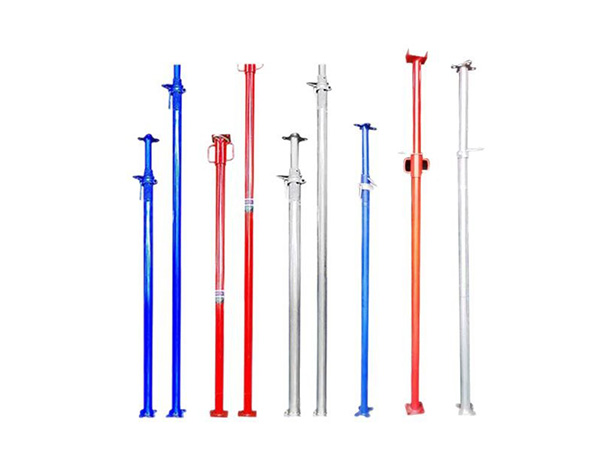
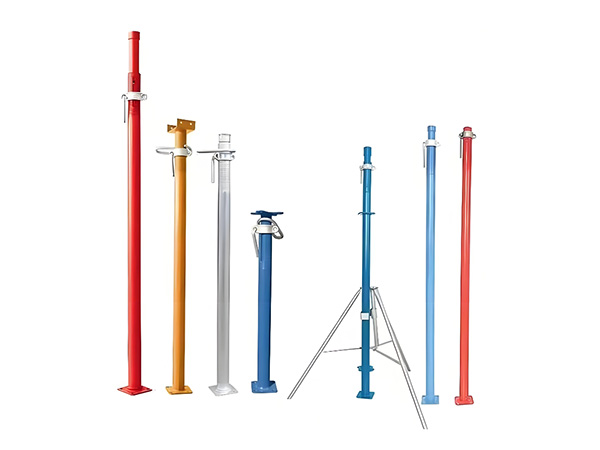
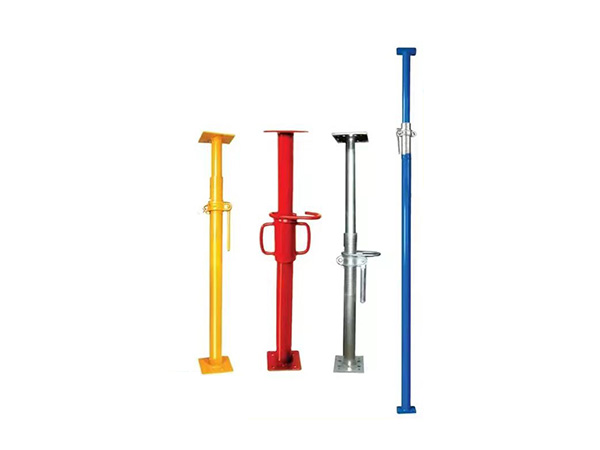
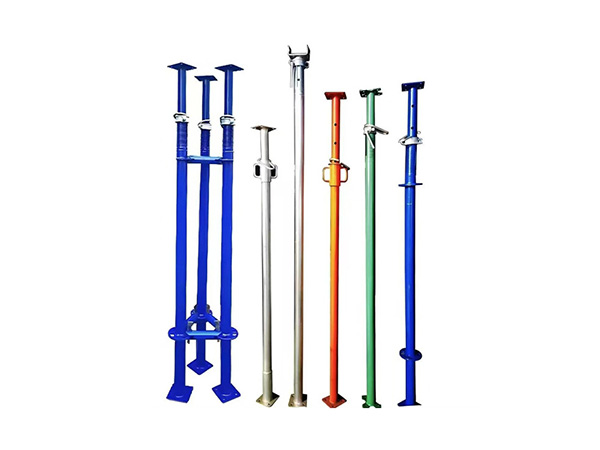
A galvanized steel prop is an adjustable vertical support component used to carry temporary loads during construction. It is typically manufactured using high-strength structural steel and treated with a hot-dip galvanization process to form a protective zinc coating. This coating significantly reduces the risk of rust and surface degradation, especially in environments exposed to moisture or outdoor conditions.
From an engineering perspective, the system is designed to transfer vertical loads from slabs, beams, or formwork structures safely to the ground. The combination of inner tube, outer tube, threaded adjustment mechanism, and base plates ensures both stability and precision in load distribution.
Structural Design and Load-Bearing Mechanism
The performance of a galvanized steel prop depends heavily on its telescopic structure and mechanical locking system. The inner tube slides within the outer tube, allowing height adjustment, while a threaded collar or pin system locks the desired position securely.
This structural design ensures uniform load transfer along the vertical axis, minimizing bending stress and increasing safety margins. In engineering applications, correct alignment is essential to prevent eccentric loading, which could compromise stability. For this reason, galvanized steel props are often used in formwork support systems where precision is critical.
Galvanization Process and Corrosion Resistance Performance
One of the most important advantages of a galvanized steel prop is its corrosion resistance, achieved through hot-dip galvanization. During this process, steel components are immersed in molten zinc, forming a metallurgically bonded protective layer.
This zinc coating acts as both a physical barrier and a sacrificial layer, protecting the base steel from oxidation. In real construction environments—especially coastal, humid, or high-exposure sites—this significantly extends service life compared to painted alternatives. As a result, galvanized props are widely specified in temporary construction shoring systems where durability and safety compliance are required.
Engineering Advantages in Construction Applications
From an E-E-A-T engineering standpoint, galvanized steel props provide multiple performance advantages validated through widespread field use and structural testing. These include high compressive strength, dimensional stability, and resistance to repeated loading cycles.
Their ability to withstand heavy vertical loads makes them suitable for slab casting, beam support, and structural reinforcement stages. Additionally, their reusability reduces material waste and overall project cost. In large-scale infrastructure projects, contractors often rely on adjustable steel prop systems to maintain flexibility across different structural heights and load conditions.
Key Applications in Real Construction Projects
Galvanized steel props are used across a wide range of construction scenarios. In residential building projects, they support floor slabs during concrete curing. In commercial developments, they are frequently deployed for multi-level formwork systems. In infrastructure engineering, they provide temporary support for bridges, tunnels, and elevated structures.
Their versatility also makes them suitable for renovation projects, where existing structures require temporary reinforcement during modification or repair. In all these cases, the stability of galvanized steel prop systems ensures safe load transfer and minimizes construction risk.
Comparison with Painted Steel Props in Engineering Practice
When evaluating temporary support equipment, engineers often compare galvanized and painted steel props. While both serve similar structural functions, their performance differs significantly under environmental stress.
Galvanized steel props offer superior corrosion resistance, longer service life, and lower maintenance requirements. Painted props, on the other hand, are generally more economical upfront but are less suitable for long-term or harsh environmental conditions. Therefore, in professional engineering specifications, galvanized solutions are often preferred for heavy-duty construction support systems.
Selection Criteria for Reliable Engineering Performance
Selecting the correct galvanized steel prop requires careful consideration of load capacity, height adjustment range, steel thickness, and coating quality. Engineers must also evaluate compliance with international construction standards to ensure structural safety.
In high-load applications, thicker-walled steel tubes and hot-dip galvanized finishes are recommended. Proper selection is particularly important in projects involving high-load structural shoring equipment, where safety margins must be strictly maintained.
Installation, Safety, and Site Best Practices
Correct installation is essential to ensure the performance of a galvanized steel prop. The base must be placed on a stable surface, and vertical alignment should be checked before applying load. Locking mechanisms must be fully secured to prevent slippage during operation.
Regular inspection during use is also recommended, especially in multi-stage construction cycles. Any signs of deformation, thread damage, or coating wear should be addressed immediately. These practices are standard in professional construction environments where safety and reliability are prioritized.
Conclusion: Engineering Value of Galvanized Steel Props
The galvanized steel prop remains a fundamental component in modern construction engineering due to its strength, corrosion resistance, and adaptability. Its ability to perform reliably under varying load conditions makes it an essential tool for contractors and engineers worldwide.
When properly selected and applied, galvanized steel props contribute significantly to construction efficiency, structural safety, and long-term project success. As construction standards continue to evolve, their role in advanced formwork support systems and structural shoring applications will remain indispensable.
References
GB/T 7714:High clearance scaffold systems during construction – structural modelling and modes of failure.
MLA:Structural instability of multi-storey door-type modular steel scaffolds.
APA:Reliability assessment of steel scaffold shoring structures for concrete formwork.

Contact Us
Tel:+86-15831733891
E-mail:yichengbuildingmaterials@gmail.com
Add:100 meters south of Weicun Village, Hechengjie Town, Xian County, Cangzhou City, Hebei Province
Url:https://www.yc-buildingmaterials.com