







- Site Navigation -
NEWS LIST
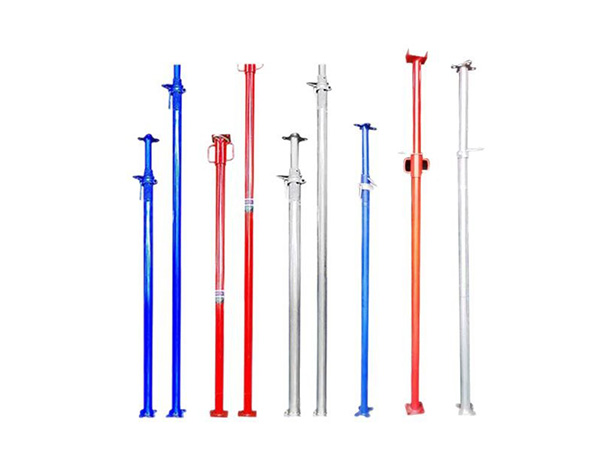
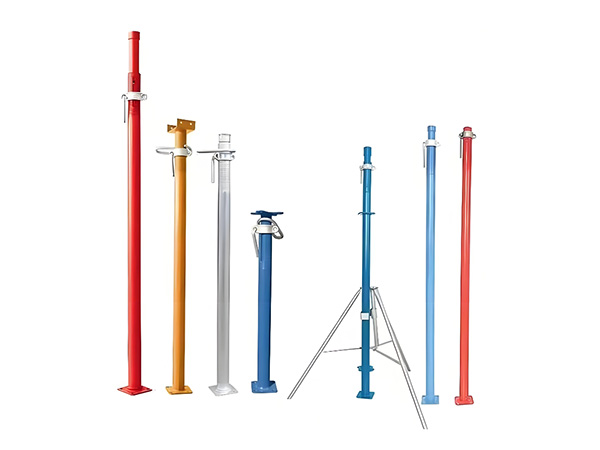
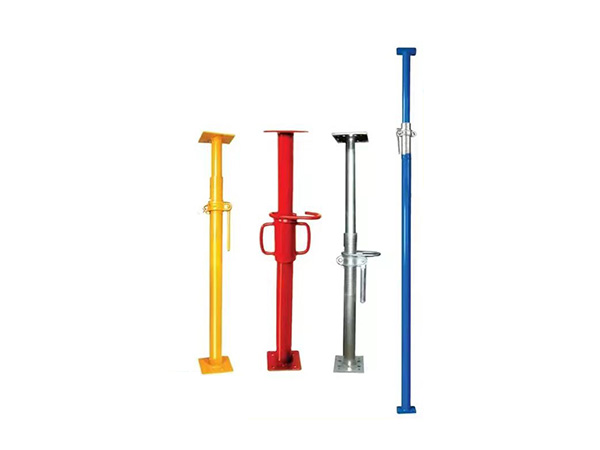
Heavy Duty Adjustable Steel Support for Reliable Structural Stability in Construction
Author:yicheng Date:2026-04-02 15:19:13 Hits:116
Introduction to Heavy Duty Adjustable Steel Support
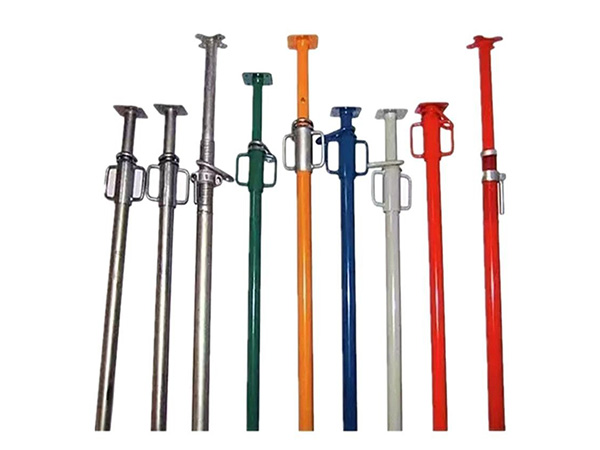
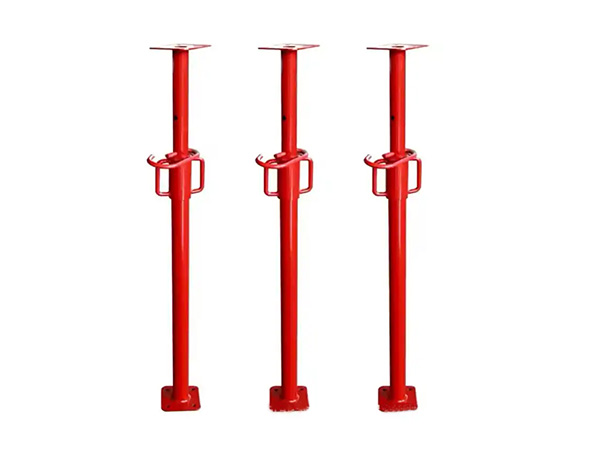
Heavy duty adjustable steel support plays a critical role in ensuring stability and safety in modern construction environments. Designed to handle substantial loads while maintaining flexibility, these supports are widely used in structural reinforcement and temporary load-bearing applications. Their adaptability and durability make them indispensable for contractors seeking reliable and efficient solutions.
Structural Role in Load-Bearing Applications
In construction, maintaining structural integrity during various stages of a project is essential. Heavy duty adjustable steel support systems are engineered to provide vertical support for slabs, beams, and formwork. They effectively transfer loads to the ground, minimizing stress on unfinished structures and reducing the risk of deformation or collapse. This makes them especially valuable in high-load and complex construction scenarios.
Material Strength and Engineering Standards
The performance of any heavy duty adjustable steel support largely depends on the quality of materials used. Typically manufactured from high-grade carbon steel or alloy steel, these supports are designed to withstand extreme pressure and environmental conditions. Many products comply with international standards such as EN1065 or OSHA requirements, ensuring consistent quality, safety, and reliability across different markets.
Adjustable Mechanism and Precision Control
One of the defining features of heavy duty adjustable steel support is its telescopic design. This mechanism allows for precise height adjustments, enabling contractors to adapt to varying project requirements. Fine-thread adjustment systems and locking pins ensure stability after positioning, reducing the risk of slippage and enhancing operational accuracy on-site.
Safety Compliance and Site Reliability
Safety is a top priority in any construction project, and heavy duty adjustable steel support systems are designed with this in mind. Features such as anti-slip plates, reinforced sleeves, and secure locking mechanisms contribute to overall site safety. Regular load testing and certification further ensure that these supports perform reliably under demanding conditions, helping to prevent accidents and improve worker confidence.
Applications Across Construction Scenarios
Heavy duty adjustable steel support is widely used in a variety of construction applications. These include supporting concrete slabs during curing, stabilizing beams and columns, and reinforcing temporary structures. They are also commonly utilized in renovation projects where existing structures require additional support. Their versatility makes them suitable for residential, commercial, and industrial construction projects alike.
Comparison with Traditional Support Systems
Compared to traditional timber or fixed steel supports, heavy duty adjustable steel support offers significant advantages. Timber supports are prone to deformation, moisture damage, and limited load capacity. In contrast, adjustable steel supports provide superior strength, reusability, and precision. This not only enhances construction efficiency but also reduces long-term costs and material waste.
Selection Criteria for Optimal Performance
Choosing the right heavy duty adjustable steel support requires careful consideration of several factors. Load capacity, adjustable height range, material thickness, and surface treatment all play a role in determining performance. Galvanized finishes offer better corrosion resistance, while powder-coated options provide additional durability. Ensuring compatibility with project requirements is key to maximizing efficiency and safety.
Conclusion: Why Heavy Duty Adjustable Steel Support Matters
Heavy duty adjustable steel support remains an essential component in modern construction due to its unmatched strength, flexibility, and reliability. By providing stable and adjustable load-bearing solutions, it enhances both safety and efficiency across a wide range of projects. Investing in high-quality heavy duty adjustable steel support is a strategic decision that ensures long-term performance and structural integrity.
Heavy Duty Adjustable Steel Support for Reliable Structural Stability in Construction
For contractors and engineers seeking dependable support systems, heavy duty adjustable steel support continues to be the preferred choice for achieving reliable structural stability in construction.
References
GB/T 7714:Hettema, R. H., & Crafts, C. C. (1994). Design of temporary works—Current engineering practice. Proceedings of the Institution of Civil Engineers — Structures and Buildings
MLA:Fischinger, M., & Furtmüller, G. (2009). Temporary support structures—analysis and design. Structural Engineering International
APA:Li, S., & Li, Q. (2012). Research on structural reliability of temporary supports in construction. Journal of Constructional Steel Research

Contact Us
Tel:+86-15831733891
E-mail:yichengbuildingmaterials@gmail.com
Add:100 meters south of Weicun Village, Hechengjie Town, Xian County, Cangzhou City, Hebei Province
Url:https://www.yc-buildingmaterials.com