







- Site Navigation -
NEWS LIST
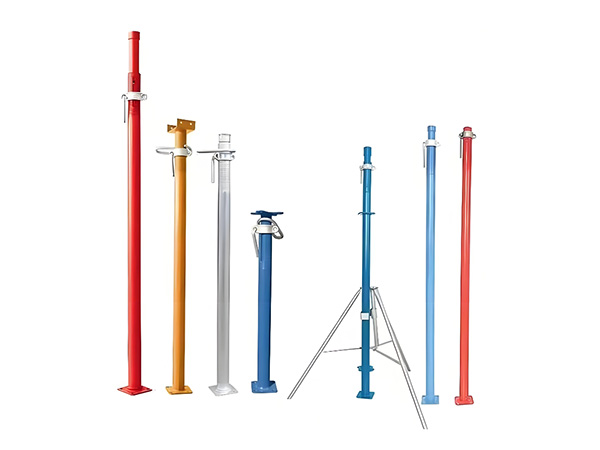
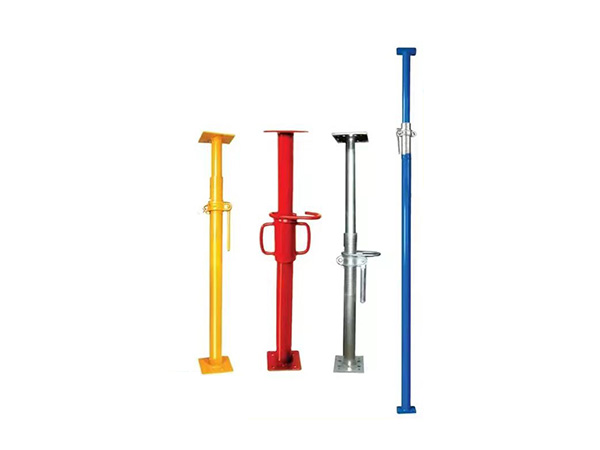
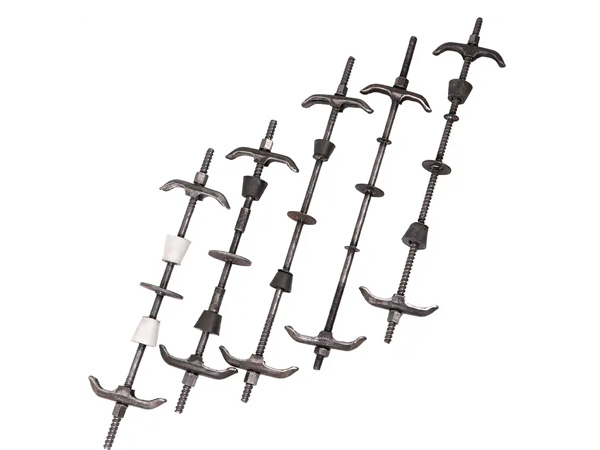
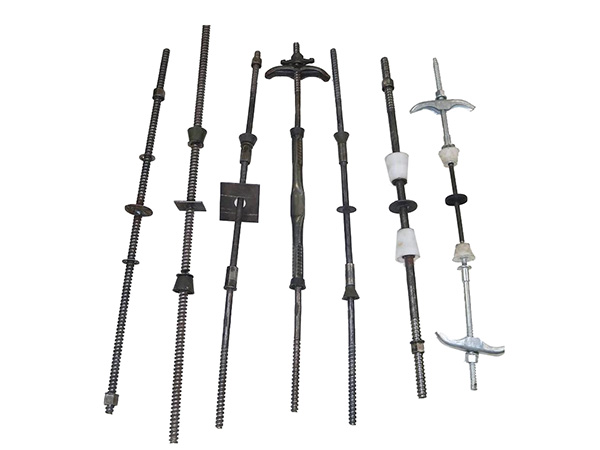
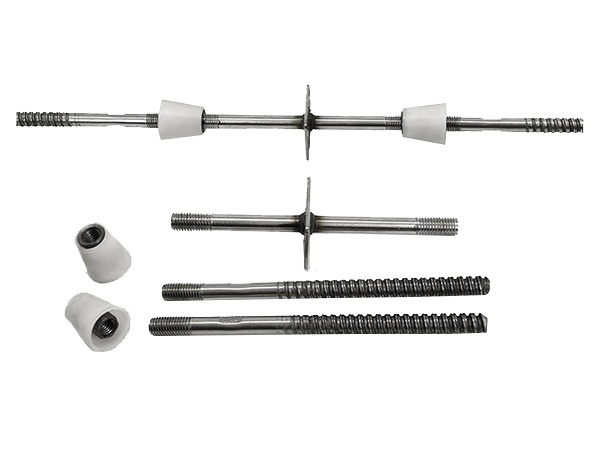
High-Quality Structural Steel Support Systems for Commercial and Industrial Buildings
Author:yicheng Date:2026-03-20 19:12:48 Hits:173
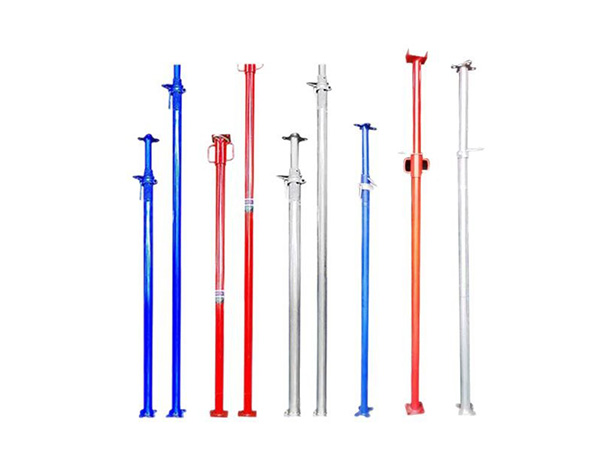
In modern construction, the demand for strength, flexibility, and efficiency has established structural steel support systems as a cornerstone of commercial and industrial building projects. Whether for warehouses, factories, office complexes, or logistics centers, high-quality steel support structures deliver the reliability and performance needed to meet today’s rigorous engineering standards.
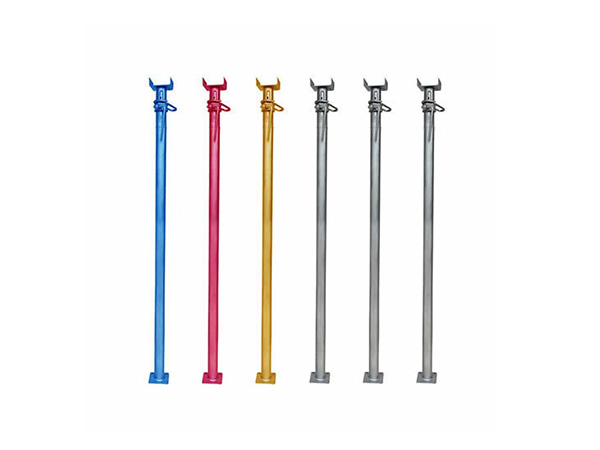
What Are Structural Steel Support Systems?
Structural steel support systems are frameworks constructed from high-strength steel components, engineered to bear loads, maintain structural stability, and safeguard the overall integrity of buildings. These systems typically consist of beams, columns, braces, and connections that work in tandem to distribute weight evenly and resist external forces such as wind, seismic activity, and heavy operational loads.
Key Advantages of Structural Steel Support Systems
·Superior Strength and DurabilitySteel boasts an exceptional strength-to-weight ratio, enabling structures to support heavy loads without the need for excessive material usage. This makes it an ideal choice for large-span buildings and multi-story facilities where structural robustness is paramount.
·Design FlexibilityStructural steel can be fabricated into a wide range of shapes and sizes, empowering architects and engineers to create customized designs tailored to diverse applications—from industrial plants to contemporary commercial complexes.
·Faster Construction TimePrefabricated steel components are manufactured off-site with precision, then assembled quickly on-site. This significantly shortens construction timelines and reduces labor costs, allowing projects to be completed on schedule.
·Cost-EffectivenessWhile the initial material cost of steel may be higher than some alternatives, steel structures minimize long-term expenses through lower maintenance requirements, faster installation, and an extended service life—delivering greater value over time.
·Sustainability and RecyclabilityAs a 90% recyclable material, steel is an environmentally friendly option for modern construction projects aiming to reduce their carbon footprint and align with green building standards.
Applications in Commercial and Industrial Buildings
Structural steel support systems are highly versatile and widely utilized across various sectors, including:
·Warehouses and Distribution Centers: Large clear spans to maximize storage efficiency and facilitate seamless operations.
·Manufacturing Facilities: High load-bearing capacity to accommodate heavy machinery and industrial equipment.
·Office Buildings: Flexible layouts and modern architectural designs to suit diverse workspace needs.
·Retail Spaces: Open floor plans with minimal columns to enhance customer flow and display flexibility.
·Logistics Hubs: Durable structures engineered to withstand high traffic and support efficient operational workflows.
Customization Options
High-quality structural steel support systems can be tailored to meet the unique requirements of each project. Key customization options include:
·Custom load-bearing capacity design based on project-specific needs
·Corrosion-resistant coatings (hot-dip galvanized or specialized painted finishes)
·Fire-resistant treatments to enhance safety and compliance
·Seismic and wind-resistant engineering to adapt to regional environmental conditions
·Modular and prefabricated solutions for faster installation and scalability
Quality Control and Manufacturing Standards
Reliable manufacturers adhere to strict quality control processes to ensure the performance and safety of structural steel support systems. These processes include:
·Precision cutting and automated welding for consistent component quality
·Advanced fabrication technology to ensure dimensional accuracy
·Compliance with international standards (such as ASTM, ISO) to meet global engineering requirements
·Rigorous inspection and testing procedures at every stage of production
These measures guarantee that each component meets the highest standards of strength, durability, and reliability.
Installation and Maintenance
Professional installation is critical to maximizing the performance and lifespan of structural steel support systems. Experienced installation teams ensure accurate alignment, secure connections, and strict compliance with engineering specifications. Compared to other construction materials, maintenance of steel support systems is relatively straightforward. Regular inspections, surface protection, and minor repairs can significantly extend the structure’s service life and maintain its optimal performance.
Why Choose High-Quality Structural Steel Support Systems?
Opting for high-quality structural steel support systems ensures:
·Enhanced building safety and structural stability
·Reduced construction time and overall project costs
·Long-term durability and low maintenance requirements
·Greater design freedom for complex or innovative building projects
Conclusion
Structural steel support systems are an indispensable solution for modern commercial and industrial buildings. Their unmatched strength, flexibility, and efficiency make them the preferred choice for developers, contractors, and engineers worldwide. By investing in high-quality steel support systems, businesses can achieve durable, cost-effective, and sustainable construction outcomes that stand the test of time. If you’re looking to optimize your next building project—whether it’s a warehouse, office complex, or industrial facility—structural steel support systems provide a reliable, future-ready foundation for success.
References
GB/T 7714:Structural Steel Support Systems: Strength and Flexibility for Modern Construction. Journal of Construction Engineering and Management
MLA:Advantages of Structural Steel Support Systems in Commercial and Industrial Buildings. International Journal of Structural Engineering
APA:Customization of Structural Steel Support Systems for Diverse Construction Projects. Journal of Industrial and Civil Engineering

Contact Us
Tel:+86-15831733891
E-mail:yichengbuildingmaterials@gmail.com
Add:100 meters south of Weicun Village, Hechengjie Town, Xian County, Cangzhou City, Hebei Province
Url:https://www.yc-buildingmaterials.com