







- Site Navigation -
NEWS LIST
How Coupler Designs Affect Structural Stability
Author:yicheng Date:2026-01-21 19:24:49 Hits:144
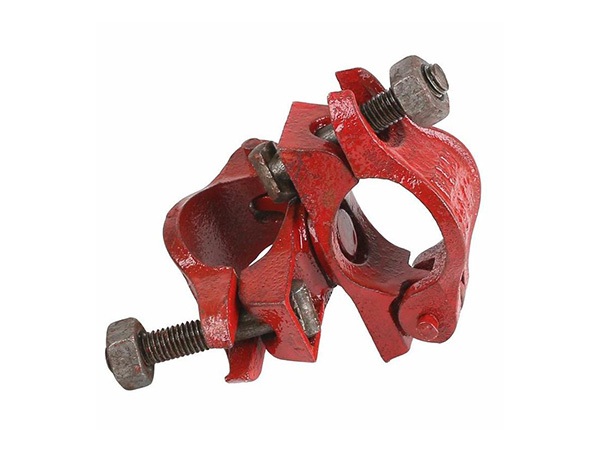
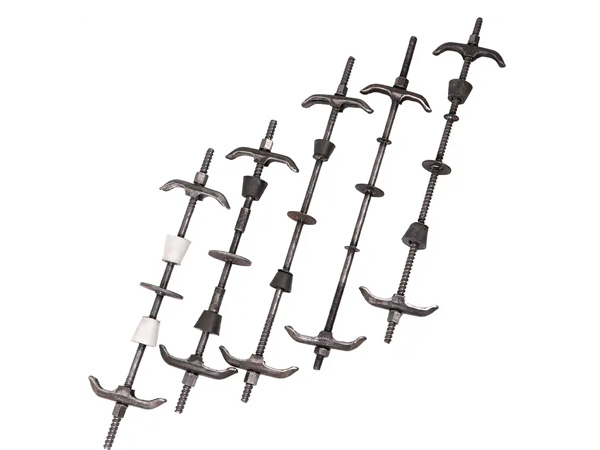
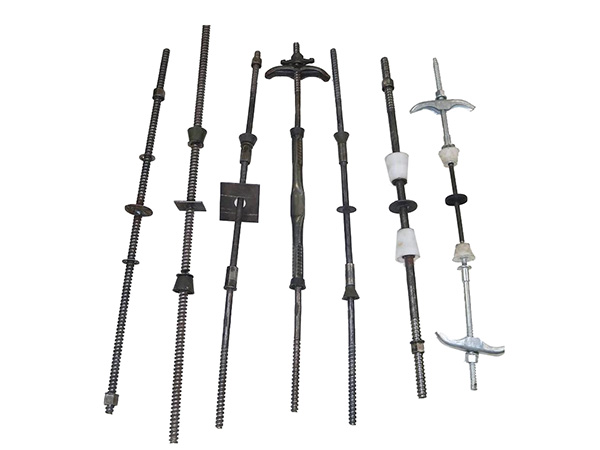
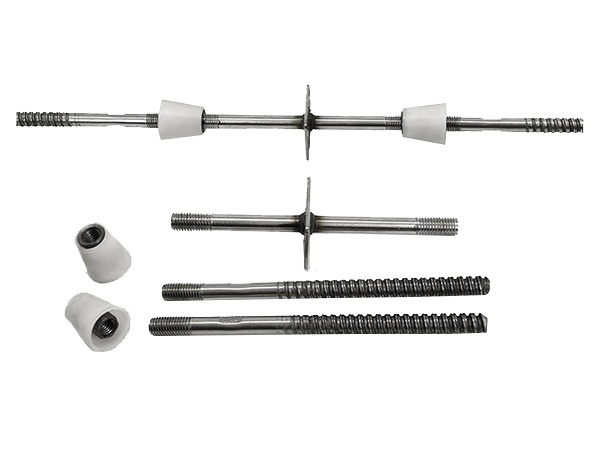
In modern construction and structural engineering, the Coupler plays a critical role in joining components, transferring loads, and ensuring system continuity. Whether in reinforced concrete frameworks, modular steel assemblies, or precast elements, the performance of couplers directly affects structural stability, safety, and durability.
For large-scale projects requiring consistent performance and dependable supply, selecting Coupler products from a professional Manufacturer with factory-controlled Production ensures predictable quality and batch consistency. In this article, we explore how coupler designs influence overall structural stability and why design choices matter throughout production and installation.
What Is a Coupler? Basic Functional Overview
A Coupler is a mechanical connector designed to link structural elements such as reinforcing bars, steel members, or modular segments. Through threaded, friction-fit, or locking mechanisms, couplers transmit axial and shear forces between connected parts, creating continuous load paths that mimic monolithic behavior.
Unlike welds or traditional mechanical fasteners, couplers provide a direct connection that preserves material strength while enabling ease of assembly and disassembly. Their role is foundational in high-load environments where structural rigidity and ductility are essential.
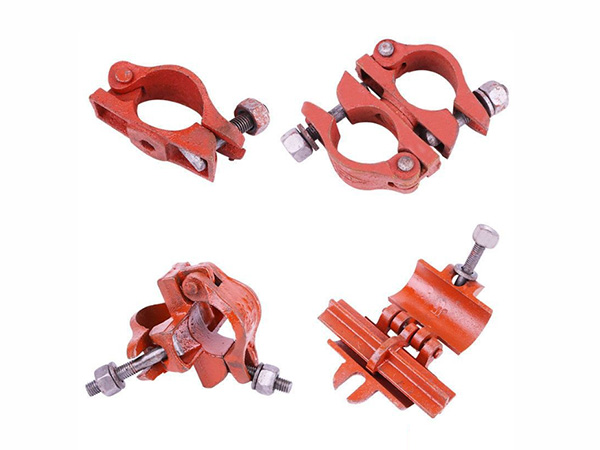
Key Coupler Design Features That Influence Stability
The way a coupler is designed determines how effectively it contributes to structural integrity. Several core design features significantly impact performance:
1. Mechanical Engagement Mechanism
Couplers may use threads, wedges, or lock plates to engage with structural members.
·Threaded couplers ensure direct metal-to-metal contact, improving load transfer.
·Friction-based couplers use pressure to grip components, beneficial in applications where minimal machining is desired.
·Locking or wedge systems offer quick installation with reliable clamping forces.
The manufacturer’s expertise in machining and material selection ensures that these engagement mechanisms function consistently across production batches.
2. Material Compatibility and Strength
Design strength depends on the mechanical properties of both the coupler and the joined elements. Ideally, couplers are made from high-strength steel alloys with ductile characteristics that complement the connected members.
Coupler designs must consider yield strength, elongation, and fatigue resistance. Improper material matching can lead to stress concentrations, micro-fractures, or premature failure under cyclic loads.
Factory production and manufacturer quality control play a key role in validating material properties through systematic testing and traceability.
3. Load Distribution and Stress Path Control
A well-designed coupler evenly distributes tensile, compressive, and shear forces across the junction. This minimizes weak points and prevents localized overstressing in adjacent structural members.
Some coupler designs incorporate tapered contact surfaces or multi-contact zones that reduce stress risers and improve overall stability. These sophisticated geometries are possible only when production systems can handle precision machining standards.
Coupler Design and Structural Performance in Different Systems
Reinforced Concrete Structures
In reinforced concrete, couplers are used to connect rebar segments, especially in seismic zones or heavy load conditions.
Correct coupler design ensures that the reinforcing system behaves as a continuous element under compression and tension, preserving ductility and minimizing failure risk.
Modular and Prefabricated Systems
Prefabricated structural elements rely on couplers to tie modules together accurately. Poorly designed couplers can cause misalignment, differential settlement, or loosened joints under dynamic loads.
In contrast, precision-engineered couplers from advanced factory production lines ensure consistent fit and alignment, improving overall structural robustness.
Testing and Quality Assurance in Coupler Production
Quality assurance is a major factor in ensuring couplers perform as designed. Typical production quality controls include:
·Dimensional inspection to verify tolerance adherence
·Material testing for strength and ductility
·Load testing under simulated service conditions
·Surface treatment validation for corrosion resistance
A coupler sourced from a reputable Manufacturer with standardized factory inspection and Production controls reduces variability and enhances long-term reliability.
Installation and Alignment Considerations
Even the best design can fail if installation is suboptimal. Stability is influenced not only by coupler design but also by how consistently installation procedures are followed:
·Ensuring proper alignment before tightening
·Confirming thread engagement depth
·Using appropriate tools and torque specifications
·Protecting coupler surfaces during construction
Training installation teams and providing clear manufacturer documentation are critical to preserving structural integrity.
Environmental Impact and Corrosion Resistance
Structural stability over time can be compromised by environmental factors such as moisture, temperature variations, and chemical exposure. High-quality couplers are often treated with coatings or surface finishes that improve corrosion resistance.
These protective measures are typically applied during factory production processes, ensuring that each batch of couplers receives consistent surface treatment suitable for job-site conditions.
Benefits of Manufacturer-Backed Coupler Solutions
Choosing couplers from a manufacturer with robust production capability offers advantages including:
·Batch consistency in mechanical performance
·Traceable material properties for compliance and certification
·Controlled surface protection against environmental degradation
·Reliable supply for large or phased projects
These benefits support structural stability by ensuring that every coupler performs according to design expectations, even in demanding applications.
Future Trends in Coupler Design
As engineering practice evolves, coupler designs are becoming more sophisticated:
·Integration with sensors for structural health monitoring
·Additive manufacturing for custom geometries
·New alloy development for enhanced performance
·Modular system integration for prefabricated construction
Factories equipped with advanced production systems are better positioned to adopt these technologies and deliver next-generation couplers at scale.
Conclusion: Coupler Design and Structural Stability
The Coupler is more than a connection device—it is a structural element that profoundly influences system stability, safety, and durability. From material selection to mechanical engagement and load distribution, every aspect of design affects performance.
By sourcing couplers from a Manufacturer with factory-controlled Production systems and bulk supplier capability, engineers and builders can mitigate risk and ensure long-lasting, reliable structural performance across diverse construction environments.
As construction demands grow in complexity, well-designed and precisely manufactured couplers remain integral to stable, resilient structural systems.
References
GB/T 7714:Buchanan A H, Abu A. Structural design for fire safety[M]. New York: Wiley, 2001.
MLA:Buchanan, Andrew Hamilton, and Anthony Abu. Structural design for fire safety. Vol. 273. New York: Wiley, 2001.
APA:Buchanan, A. H., & Abu, A. (2001). Structural design for fire safety (Vol. 273). New York: Wiley.

Contact Us
Tel:+86-15831733891
E-mail:yichengbuildingmaterials@gmail.com
Add:100 meters south of Weicun Village, Hechengjie Town, Xian County, Cangzhou City, Hebei Province
Url:https://www.yc-buildingmaterials.com