







- Site Navigation -
NEWS LIST
How Scaffold Fittings Improve Safety and Stability in Construction Sites
Author:yicheng Date:2026-05-08 15:20:47 Hits:182
In contemporary construction projects, working at elevated heights is an inevitable part of the process—but it also brings substantial safety hazards. A properly designed scaffolding structure is indispensable for safeguarding workers’ well-being, and scaffold fittings play a pivotal role in rendering this structure stable, secure, and dependable. This article examines how scaffold fittings boost safety and stability on construction sites, as well as why selecting the appropriate components is vital to the smooth and successful completion of a project.
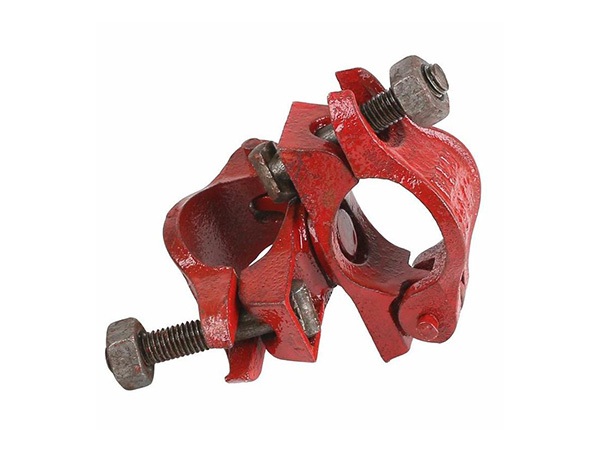
The Function of Scaffold Fittings in Construction Work
Scaffold fittings serve as the connecting elements that hold the entire scaffolding framework together. In tube-and-coupler scaffolding systems, these fittings link horizontal, vertical, and diagonal tubes to form a sturdy and rigid structure. Without high-performance scaffold fittings, the scaffolding would lack the necessary strength and structural integrity to safely support workers, tools, and construction materials.
Boosting Structural Stability
Secure Connections Between Components
One of the key ways scaffold fittings enhance structural stability is by forming strong, firm joints between scaffolding components.
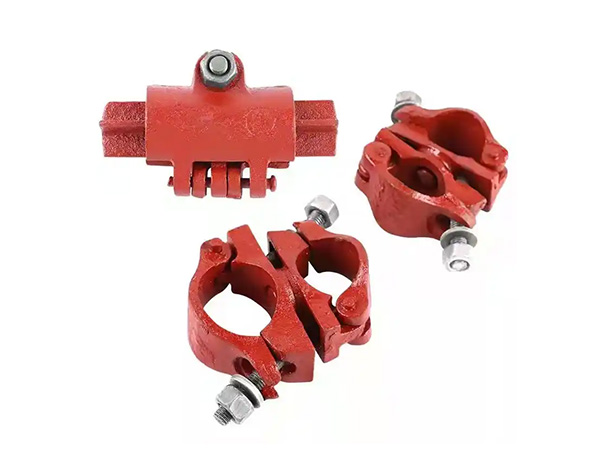
Right-angle couplers fasten tubes at a 90-degree angle, laying the foundation for the basic scaffolding framework.
Swivel couplers enable the installation of diagonal bracing, which significantly increases the overall rigidity of the structure.
Sleeve couplers guarantee seamless and continuous connections between tubes, maintaining structural consistency.
These secure connections prevent unintended movement of the scaffolding and lower the risk of structural breakdown.
Load Distribution and Balance
Scaffold fittings also play a critical role in distributing loads evenly throughout the entire scaffolding structure.
Base plates transfer the weight of vertical standards to the ground, ensuring a stable foundation.
Couplers facilitate the sharing of loads across multiple tubes, avoiding overburdening any single component.
Joint pins keep vertical structures aligned, preventing tilting and maintaining balance.
Proper load distribution reduces stress on individual scaffolding parts, thereby enhancing overall safety.
Improving Worker Safety
Stable Working Platforms
Board retaining clips and the correct placement of couplers ensure that scaffold planks stay stable and secure.
They prevent planks from slipping or shifting during use.
They provide a safe and reliable surface for workers to walk and perform their tasks.
They minimize the risk of falls, one of the most common and dangerous hazards in construction.
A stable working platform is not only essential for worker safety but also boosts their confidence and work efficiency.
Preventing Structural Collapse
High-quality scaffold fittings reduce the possibility of scaffolding collapse by:
Maintaining tight, secure joints that do not loosen over time.
Supporting diagonal bracing systems that reinforce the structure.
Preventing joints from loosening due to vibration or heavy loads.
Regular inspection of scaffold fittings further ensures that the scaffolding remains safe for use throughout the project.
Flexibility for Complex Structures
Construction projects often involve irregular building shapes or challenging site layouts. Scaffold fittings offer the flexibility needed to adapt to these complex scenarios.
They allow for custom configurations to match unique building designs.
Swivel couplers enable adjustable angles, making it easier to adapt to uneven or irregular surfaces.
They facilitate the easy extension or modification of the scaffolding structure as the project progresses.
This flexibility ensures that safety is never compromised, even in the most complex construction environments.
Adaptability to Different Ground Conditions
Ground conditions can vary greatly from one construction site to another, and scaffold fittings are designed to adapt to these variations.
Base plates provide a stable foundation on solid ground, ensuring the scaffolding remains level.
Adjustable base jacks compensate for uneven surfaces, preventing tilting.
Sole plates distribute the load evenly on soft or unstable soil, reducing the risk of sinking.
These components effectively prevent the scaffolding from tilting or sinking, which could otherwise lead to instability and safety hazards.
Durability and Resistance to Environmental Factors
Scaffold fittings are engineered to withstand the harsh conditions commonly found on construction sites.
Hot-dip galvanized fittings are resistant to corrosion, ensuring longevity even in damp or harsh weather.
Forged steel fittings offer exceptional strength, making them capable of supporting heavy loads.
Weather-resistant materials ensure that the fittings maintain their performance over the long term.
Durable scaffold fittings retain their structural integrity over time, reducing the need for frequent maintenance and minimizing safety risks.
Supporting Compliance with Safety Standards
Using certified scaffold fittings helps construction companies meet relevant safety regulations and standards.
Compliance with international standards such as EN and OSHA ensures that the scaffolding meets strict safety requirements.
Proper load ratings and rigorous testing guarantee that the fittings can perform reliably under specified conditions.
Reliable performance ensures that workers are protected and that the company avoids legal penalties.
Meeting these safety standards is essential for both legal compliance and the protection of workers’ lives.
Best Practices for Maximizing Safety
To fully leverage the benefits of scaffold fittings and ensure maximum safety, construction teams should follow these best practices:
Inspect all fittings before and after use to identify any damage or wear.
Replace damaged or corroded components immediately to avoid compromising the structure.
Ensure that all connections are properly tightened to maintain structural integrity.
Use compatible fittings within the same scaffolding system to avoid compatibility issues.
Provide workers with proper training on the correct installation and use of scaffold fittings.
Consistent maintenance and proper usage are just as important as the quality of the fittings themselves in ensuring scaffolding safety.
Conclusion
Scaffold fittings are the cornerstone of safety and stability on construction sites. By providing secure connections, distributing loads effectively, and adapting to complex structures and diverse environmental conditions, they ensure that scaffolding systems remain reliable even under the most demanding circumstances. Investing in high-quality scaffold fittings and adhering to proper installation and maintenance practices not only protects workers but also improves project efficiency and reduces potential risks. In any construction project, a strong and safe foundation starts with the smallest components—and scaffold fittings are among the most critical of these components.
References
GB/T 7714:Comparative Analysis of Properties and Behaviour of Scaffolding Joints and Anchors. Applied Sciences
MLA: An Experimental Study into the Behaviour of Tube and Fitting Scaffold Structures under Cyclic Side and Vertical Loads. ResearchGate
APA:Properties of Tube and Fitting Scaffold Connections under Cyclical Loads. ResearchGate.

Contact Us
Tel:+86-15831733891
E-mail:yichengbuildingmaterials@gmail.com
Add:100 meters south of Weicun Village, Hechengjie Town, Xian County, Cangzhou City, Hebei Province
Url:https://www.yc-buildingmaterials.com