







- Site Navigation -
NEWS LIST
Modular Industrial Scaffolding Systems for Complex Construction Environments
Author:yicheng Date:2026-04-21 17:40:23 Hits:86
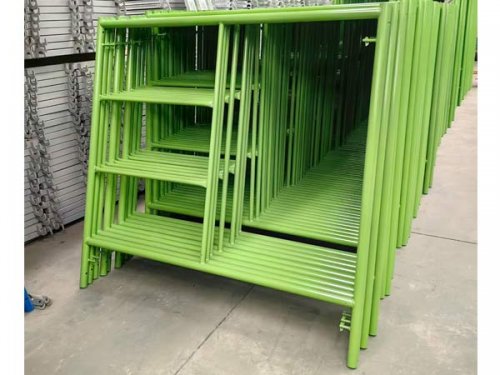
Modular industrial scaffolding systems are specifically engineered to address the needs of modern heavy industry, where traditional scaffolding often falls short in providing adequate flexibility, safety, and efficiency. From refineries and power stations to shipyards and large-scale infrastructure projects, modular systems have become the industry benchmark for complex access solutions. In this article, we analyze the core engineering concepts, safety considerations, and practical uses that characterize high-performance modular scaffolding systems.

System Design and Modular Structure Flexibility
The core of modular industrial scaffolding systems lies in their standardized, interchangeable components. Unlike traditional tube-and-coupler systems, modular designs utilize pre-engineered nodes, frames, and locking mechanisms that enable quick and flexible configuration. This modular nature allows contractors to adjust structures to fit irregular shapes, confined spaces, and multi-level industrial settings. Keywords such as modular scaffolding design, industrial access systems, and flexible scaffolding structures underscore the rising demand for adaptable engineering solutions in contemporary construction. The capability to reconfigure systems without complete dismantling substantially cuts down on downtime and boosts productivity in complex job site environments.
Load Capacity and Structural Engineering
Load-bearing performance is one of the most vital aspects of modular industrial scaffolding systems. These systems are constructed using high-strength steel to ensure stability under heavy dynamic and static loads. Engineers must assess factors including distributed load capacity, vertical load transfer, and wind resistance—particularly in elevated or offshore environments. In complex construction settings, structural integrity is not a choice but a mandatory safety requirement. Accurate load calculation ensures that platforms can safely support workers, equipment, and materials without the risk of deformation or collapse.
Safety Standards in Complex Industrial Sites
Safety is a key characteristic of any industrial scaffolding system. Modular systems are designed to comply with international standards such as OSHA, EN 12810, and other regional construction safety regulations. Key safety features include built-in guardrails, anti-slip platforms, locking connectors, and redundant support points. These systems also minimize human error during assembly thanks to their standardized connection mechanisms. In high-risk environments like chemical plants or confined industrial spaces, safety engineering becomes even more critical—making modular scaffolding the preferred choice.
Installation Efficiency and On-Site Adaptability
Time efficiency is a major benefit of modular systems. Pre-engineered components allow for rapid assembly and disassembly, reducing labor costs and project delays. Unlike traditional scaffolding methods that require extensive manual adjustments, modular industrial scaffolding systems can be installed with minimal tools and fewer skilled labor hours. This adaptability is particularly valuable in fast-paced construction schedules where project timelines are tightly managed. Keywords such as quick installation scaffolding, industrial modular access systems, and high-efficiency scaffolding solutions reflect this key advantage.
Applications in Oil, Gas, Power, and Heavy Industry
Modular scaffolding systems are widely utilized across industries that require high structural reliability and flexibility. In oil and gas facilities, they provide safe access to complex pipe networks and elevated processing units. In power plants, they support maintenance work on turbines, boilers, and cooling towers. Shipbuilding and offshore platforms also rely heavily on modular scaffolding due to their irregular structures and harsh environmental conditions. The versatility of these systems makes them indispensable in any complex industrial construction environment where safety and adaptability are top priorities.
Maintenance, Inspection, and Long-Term Reliability
The long-term performance of scaffolding systems depends on proper maintenance and regular inspection routines. Modular systems simplify this process due to their replaceable components and standardized parts. Regular inspections should focus on joint integrity, corrosion resistance, platform stability, and the locking performance of connectors. Preventive maintenance ensures that systems remain compliant with safety regulations throughout their service life. High-quality industrial scaffolding systems are designed for repeated use, making them a cost-effective solution across multiple projects.
Conclusion
In modern heavy construction, modular industrial scaffolding systems have emerged as an essential engineering solution for complex construction environments. Their unique combination of flexibility, structural strength, and safety compliance makes them ideal for demanding industrial applications. By integrating advanced design principles with strict safety standards, these systems help contractors enhance efficiency, reduce risks, and tackle increasingly complex project requirements. Modular industrial scaffolding systems continue to set the standard for reliability in today’s industrial construction sector.
References
GB/T 7714: Modular Industrial Scaffolding: Engineering Principles and Application in Complex Construction. Journal of Industrial Construction Engineering
MLA:Safety Performance of Modular Scaffolding Systems in High-Risk Industrial Sites. Industrial Safety and Health Journal
APA:Installation Efficiency and Cost-Benefit Analysis of Modular vs. Traditional Scaffolding. Construction Management Journal

Contact Us
Tel:+86-15831733891
E-mail:yichengbuildingmaterials@gmail.com
Add:100 meters south of Weicun Village, Hechengjie Town, Xian County, Cangzhou City, Hebei Province
Url:https://www.yc-buildingmaterials.com