







- Site Navigation -
NEWS LIST
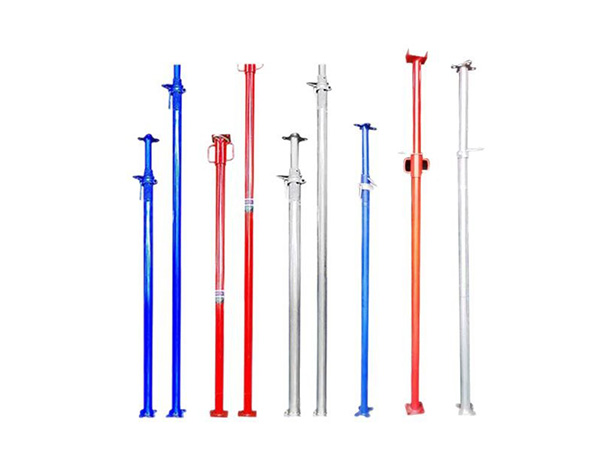
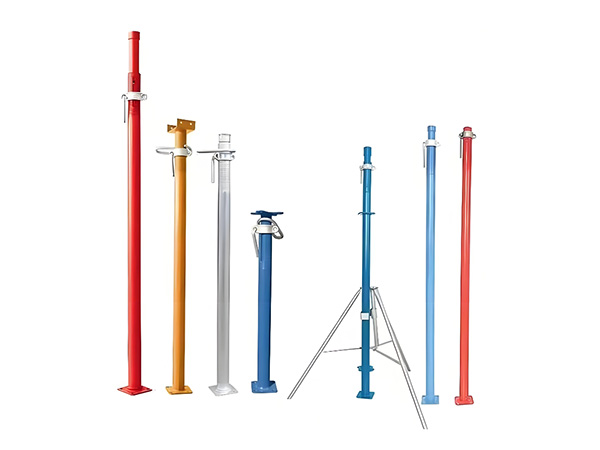
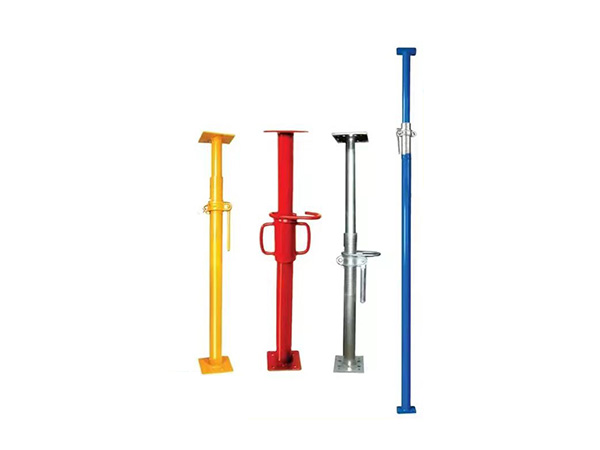
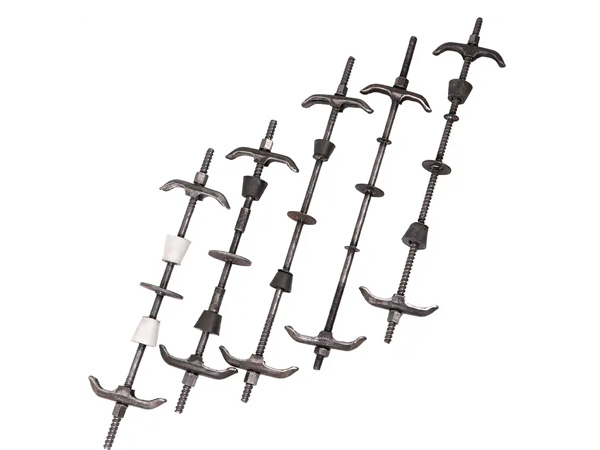
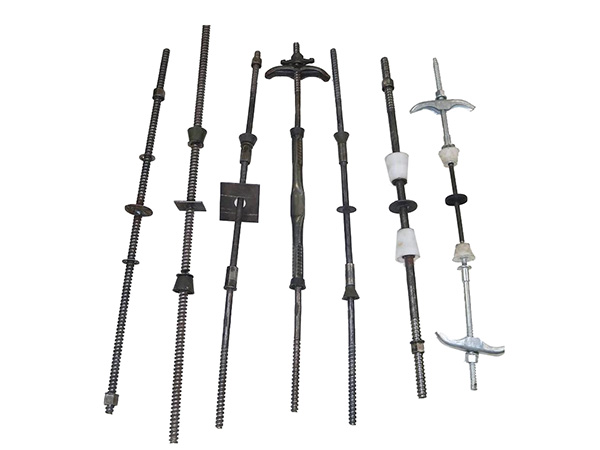
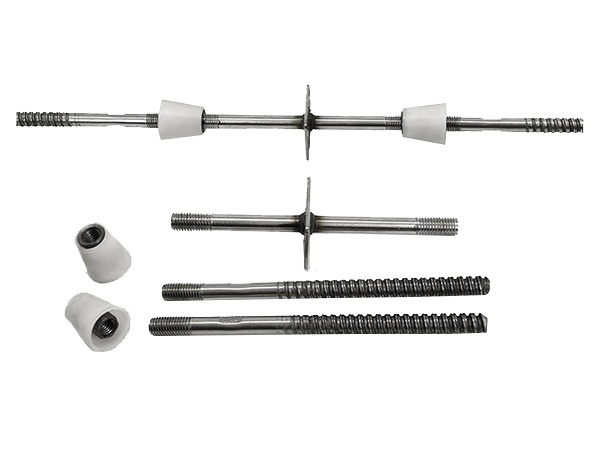
Powder-Coated Steel Support Benefits for Outdoor Construction
Author:yicheng Date:2026-07-23 14:39:14 Hits:67

Outdoor construction sites present steel support components with one of their toughest challenges: sustained exposure to moisture, airborne salts, industrial pollutants, and the thermal cycling that comes with weather in all seasons. Bare steel left unprotected in these conditions begins to corrode within months, with rust consuming the surface and progressively weakening the section. The consequences range from cosmetic deterioration to genuine structural compromise in extreme cases. Powder coating emerged as a practical industrial solution to this problem, and today a powder-coated steel support from a reputable manufacturer offers one of the most cost-effective routes to extended component life in outdoor and harsh environments.
What Powder Coating Is and How It Works
Powder coating is an electrostatic surface treatment in which dry polymer powder—typically epoxy, polyester, or a hybrid of the two—is applied to a prepared steel surface using compressed air. The powder particles carry an electrostatic charge that makes them adhere to the grounded metal surface. The component is then cured in a bake oven, where the powder melts, flows out into a uniform film, and chemically cross-links into a hard, continuous coating that bonds directly to the steel substrate.
The result is a coating typically 60 to 120 microns thick—substantially thicker than conventional liquid paint—and one that does not run, drip, or sag during application. Because there is no solvent evaporating during curing, the process is more environmentally controlled and produces a more uniform finish with better edge coverage. The coating also resists chipping and scratching better than liquid paint, which matters on construction sites where components are handled and assembled with tools and equipment. The absence of volatile organic compounds during application is an additional environmental benefit that distinguishes powder coating from conventional painting.
Key Benefits for Outdoor Construction
The most direct benefit is corrosion resistance. A properly applied powder coating creates a barrier that seals the steel surface from moisture and oxygen—the two elements required for rust formation. In coastal environments where salt-laden air accelerates corrosion, powder-coated supports consistently outperform bare steel or conventionally painted equivalents. The performance advantage compounds over time: a powder-coated support that might last two to three seasons in good condition might only manage one in aggressive conditions if left uncoated.
Beyond corrosion protection, powder coating provides an attractive, consistent finish that improves site appearance and makes inspection easier—cracks, dents, and damage to the coating are visually obvious, prompting timely replacement or touch-up. The coating also reduces maintenance requirements: there is no need for regular repainting or anti-corrosion treatment during the construction season, which translates into lower ongoing labor costs for the site team.
Applications and Specification Guidance
Powder-coated steel supports are specified across a wide range of outdoor applications: facade access scaffolds, bridge falsework, industrial plant maintenance platforms, and temporary structures in coastal or industrial zones. The choice of powder type matters for the application. Epoxy powders offer excellent chemical resistance and adhesion but can chalk or fade under prolonged UV exposure, making them better suited to interior or sheltered outdoor applications. Polyester powders resist UV degradation well and maintain color and gloss in full outdoor exposure, which is why they are the standard choice for exterior structural components.
Surface preparation before coating is as critical as the coating itself. A properly prepared surface is cleaned, degreased, and often given a phosphate pre-treatment before the powder is applied. Without this preparation, adhesion suffers and the coating can lift or blister prematurely. A professional steel support factory will document their surface preparation and coating application process, including cure temperature and time, as part of their quality assurance documentation.
Quality and Selecting a Supplier
When evaluating powder-coated steel support options, requesting the coating thickness test results and adhesion test data is standard practice. Cross-cut or pull-off adhesion tests confirm that the coating bonds properly to the substrate, while thickness measurements using a magnetic gauge verify that the applied coating meets the specified minimum. Any reputable supplier will make these figures available without hesitation.
Batch consistency matters when ordering large quantities. Variation in coating thickness or cure conditions between batches can lead to inconsistency in color, gloss, and durability across the delivered components. A well-run factory runs quality checks on coating samples from each production batch. For outdoor projects in demanding environments, specifying the powder type, minimum coating thickness, and pre-treatment method in the purchase order ensures the supplier delivers what the project actually needs rather than the cheapest option in their catalog.
Join Our Global Distributor Network
References
ACI Committee 515. (2014). Guide to Electrical Equipment Coatings (ACI 515.1R-14). American Concrete Institute.
American Architectural Manufacturers Association. (2015). AAMA 2604-13: Voluntary Specification, Performance Requirements and Test Procedures for High Performance Organic Coatings on Aluminum Extrusions and Panels. AAMA.
Schweitzer, P. A. (2015). Metallic Coatings: A Handbook for the Chemical, Petrochemical, and Oil Field Industries. CRC Press.

Contact Us
Tel:+86-15831733891
E-mail:yichengbuildingmaterials@gmail.com
Add:100 meters south of Weicun Village, Hechengjie Town, Xian County, Cangzhou City, Hebei Province
Url:https://www.yc-buildingmaterials.com