







- Site Navigation -
NEWS LIST
Scaffold Fittings Guide: Types, Uses, and Applications in Construction
Author:yicheng Date:2026-04-29 14:40:57 Hits:183
Scaffold fittings are indispensable components in modern construction engineering, serving as the core backbone of safe and stable scaffolding systems. Whether applied in residential building projects, large-scale industrial construction, or other construction scenarios, these small yet vital parts are key to ensuring structural integrity, layout flexibility, and the safety of on-site workers. This guide elaborates on the main types of scaffold fittings, their specific uses, and their practical applications in different construction environments.
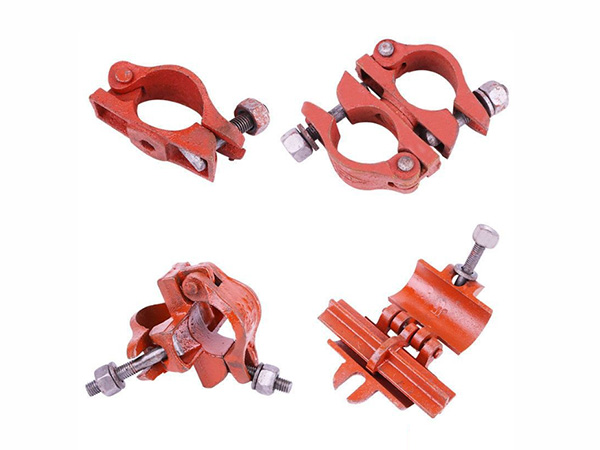
What Are Scaffold Fittings?
Scaffold fittings refer to connecting devices specifically designed to join scaffolding tubes, forming a secure and stable framework that supports construction workers, tools, and materials at elevated heights. Unlike fixed-frame scaffolding systems, tube-and-fitting scaffolding offers maximum flexibility in assembly, making it highly suitable for complex building structures and irregular architectural shapes.
Main Types of Scaffold Fittings
Different scaffold fittings serve distinct structural functions. The following are the most commonly used types in various construction projects.
1. Couplers (Clamps)
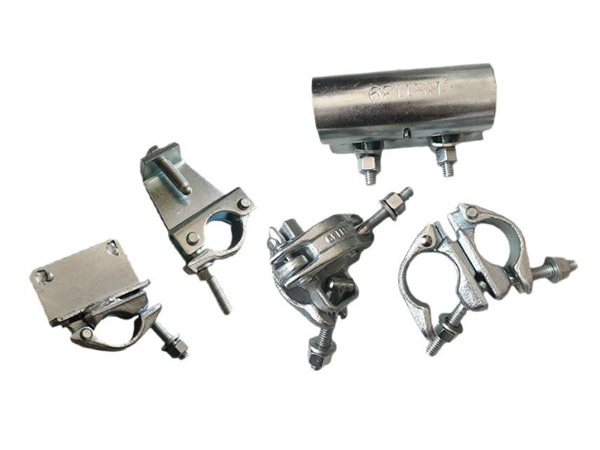
Couplers are the most widely utilized scaffold fittings, primarily used to connect scaffolding tubes in diverse configurations.
Right-angle coupler (double coupler): Connects two scaffolding tubes at a 90-degree angle
Swivel coupler: Enables rotational adjustment to achieve angled connections between tubes
Putlog coupler: Links transoms to ledgers, ensuring stable horizontal and vertical connections
Sleeve coupler: Extends two scaffolding tubes in a straight line to increase length
These couplers are usually made of forged steel or pressed steel to ensure high structural strength and load-bearing capacity.
2. Base Plates
Base plates are designed to distribute the overall load of the scaffolding system evenly onto the ground. They are installed at the bottom of vertical standards (uprights) to prevent the scaffolding from sinking or becoming unstable due to uneven load distribution. In most cases, base plates are used in conjunction with adjustable jacks to adapt to uneven ground conditions, ensuring the scaffold remains level and stable.
3. Scaffold Pins and Spigots
Scaffold pins and spigots are specialized fittings for vertical connections of scaffolding tubes. They ensure accurate alignment and structural stability between stacked sections of the scaffolding system, preventing vertical displacement during use.
4. Board Retaining Clips
These fittings are used to secure wooden or metal scaffold boards in place, effectively preventing the boards from moving, slipping, or shifting during construction work, thus safeguarding worker safety at elevated heights.
5. Joint Pins (Internal Connectors)
Joint pins are inserted inside scaffolding tubes to connect two tube sections end-to-end. They are commonly applied in tube-and-coupler scaffolding systems, especially for scaffolding that needs to be extended to greater heights.
Materials Used in Scaffold Fittings
The majority of scaffold fittings are manufactured using the following materials:
Forged steel: Boasts high strength and durability, making it ideal for heavy-duty construction applications
Pressed steel: Features lightweight properties and cost-effectiveness, suitable for general construction use
Hot-dip galvanized steel: Provides excellent corrosion resistance, making it suitable for outdoor construction projects exposed to harsh weather conditions
Galvanization treatment is particularly important for long-term construction projects that are continuously exposed to wind, rain, and other environmental factors, as it extends the service life of the fittings.
Applications of Scaffold Fittings in Construction
Scaffold fittings are widely used in various construction scenarios, covering residential, commercial, industrial, and special fields:
Residential Construction
They are commonly used in house building, exterior painting, plastering, and outdoor maintenance work, providing safe access for workers at low to medium heights.
Commercial Buildings
Scaffold fittings are essential for the construction and renovation of high-rise buildings, shopping malls, office complexes, and other commercial structures, ensuring safe access to elevated areas.
Industrial Projects
In factories, power plants, refineries, and other industrial facilities, scaffold fittings are used to build temporary access structures, facilitating maintenance and construction work on elevated equipment and structures.
Bridge and Infrastructure Work
They support construction workers during the construction, maintenance, and repair of bridges, tunnels, highways, and other infrastructure projects, ensuring safe operation at high altitudes or over complex terrain.
Shipbuilding and Aerospace
Scaffold fittings are used to construct temporary access frameworks for the assembly, maintenance, and repair of large-scale equipment, ships, and aerospace components.
Advantages of Using Scaffold Fittings
Scaffold fittings offer several key advantages that make them indispensable in construction projects:
High flexibility: Can be flexibly assembled and adjusted to adapt to complex building structures and irregular shapes
Strong load capacity: Capable of supporting heavy construction materials and multiple workers simultaneously
Easy assembly and disassembly: Simplifies on-site operation and saves construction time
Reusable components: Can be used repeatedly across multiple projects, reducing construction costs
Good compatibility: Compatible with standard scaffolding tubes, ensuring wide applicability
Safety Considerations
Proper installation and regular inspection of scaffold fittings are critical to ensuring on-site construction safety. Key safety practices include:
Conduct regular inspections to check for cracks, rust, deformation, or other damage to fittings
Ensure all couplers and connections are tightly secured to prevent loosening
Use only certified and load-tested scaffold fittings that meet safety standards
Strictly follow local construction safety codes and relevant standards during installation and use
Avoid mixing incompatible types of scaffold fittings to prevent structural instability
How to Choose the Right Scaffold Fittings
When selecting scaffold fittings for a construction project, the following factors should be taken into consideration:
Project height and specific load-bearing requirements
Environmental conditions, including corrosion risks and weather exposure
Material quality, such as the difference between forged steel and pressed steel fittings
Compliance with national and local safety standards
Reliability and certification of the fitting supplier
Choosing high-quality, compliant scaffold fittings directly affects the safety, stability, and efficiency of the entire scaffolding system.
Conclusion
Although scaffold fittings are small components in the construction industry, they play a pivotal role in ensuring construction safety and operational efficiency. From couplers and base plates to joint pins and board retaining clips, each type of fitting contributes to building a stable, flexible, and safe scaffolding system. A clear understanding of the types, functions, and applications of scaffold fittings helps contractors and engineers select the appropriate configuration for different construction projects, ensuring the safety, durability, and performance of on-site scaffolding systems.
References
GB/T 7714:Optimization design of large span portal-rigid steel frame with tapered sections under wind-induced drift constraint. Engineering Structures
MLA: An efficient coupled numerical method for reliability-based design optimization of steel frames. Journal of Constructional Steel Research
APA:The application and research progress of steel structures in construction industrialization. IOP Conference Series: Earth and Environmental Science

Contact Us
Tel:+86-15831733891
E-mail:yichengbuildingmaterials@gmail.com
Add:100 meters south of Weicun Village, Hechengjie Town, Xian County, Cangzhou City, Hebei Province
Url:https://www.yc-buildingmaterials.com