







- Site Navigation -
NEWS LIST
Scaffolding Equipment Quality Control and Testing Standards
Author:yicheng Date:2026-07-11 14:02:26 Hits:100
Why Quality Control Matters in Scaffolding Manufacturing
When a scaffold collapses on a job site, the consequences are rarely minor. Workers suffer injuries that could have been prevented, projects stall for weeks, and companies face liabilities that dwarf any material savings. This is precisely why reputable scaffolding manufacturers invest heavily in quality assurance — not as a box-ticking exercise, but because lives depend on it. Hebei Yicheng New Building Materials Co., Ltd., as a dedicated scaffolding factory, treats every component it produces as a promise to the workers who will rely on it dozens of meters above ground.
The stakes are amplified by the variety of conditions scaffolding equipment must endure. Steel supports, adjustable screw jacks, and couplers are expected to perform in extreme heat, freezing winters, and everything in between. Load tolerances calculated in a testing facility mean little if the same steel becomes brittle in cold conditions. That gap between laboratory assumptions and real-world abuse is where quality control separates a trustworthy supplier from a dangerous one.
Material Testing and Raw Material Inspection
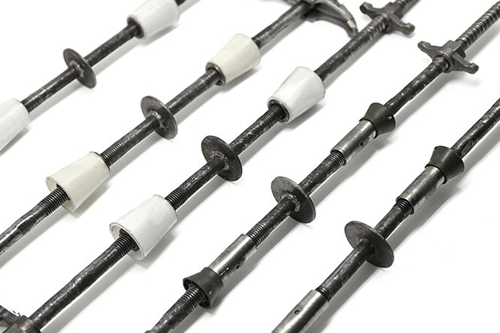
Before any piece of scaffolding equipment takes its final form, the raw materials undergo careful scrutiny. Steel used in couplers and wall-tie bolts must meet specific tensile strength and yield point requirements. Our factory sources materials from certified mills and verifies each batch through independent laboratory testing. When a shipment of steel arrives, it doesn't immediately move to production — it sits through a receiving inspection that checks chemical composition, surface finish, and dimensional accuracy against purchase specifications.
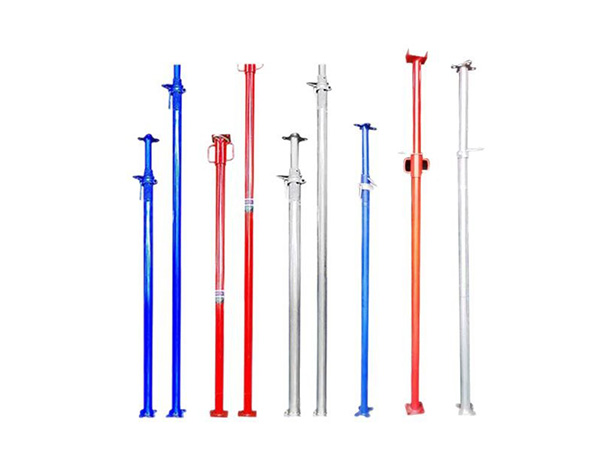
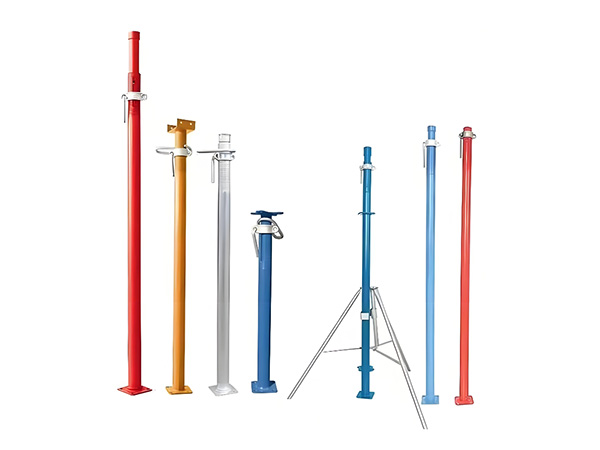
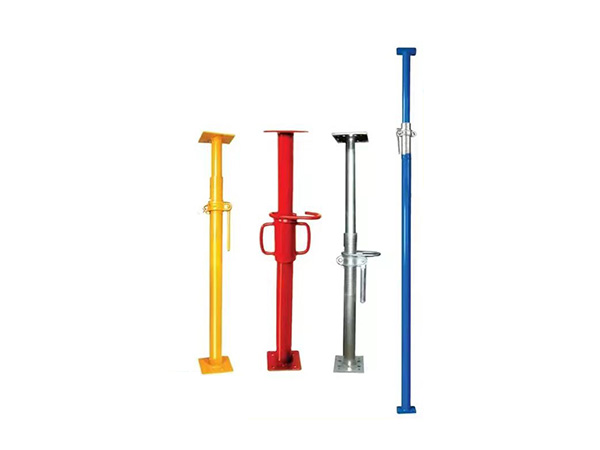
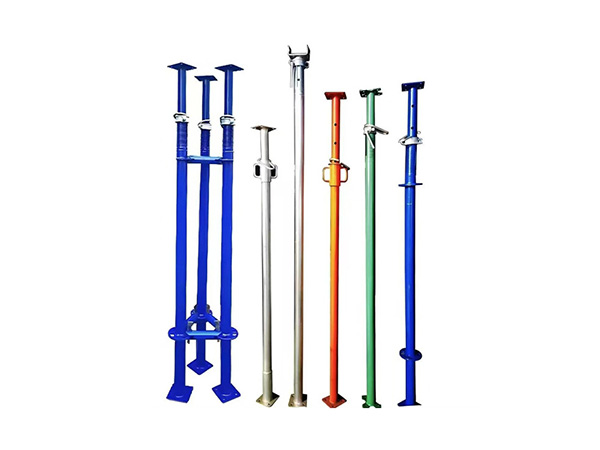
Adjustable screw jacks present their own challenges. The threaded rod must resist buckling under load, while the base plate must distribute force evenly on uneven surfaces. Each production run is sampled and subjected to axial load testing — incremental weight applied until the component reaches rated capacity, then pushed further to confirm a meaningful safety margin. Components that fail are scrapped, not repaired and retried. That distinction matters when the same jack might support a platform holding six workers and their materials.
Dimensional and Structural Testing Protocols
Scaffolding systems are only as safe as their weakest connection point. Misaligned holes, inconsistent wall thickness, or undersized couplers can create failure points that propagate through an entire structure. Our testing protocols address both individual component dimensions and how those components interact when assembled.
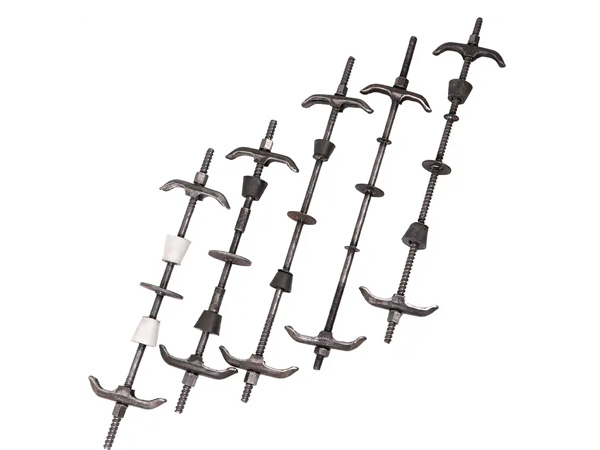
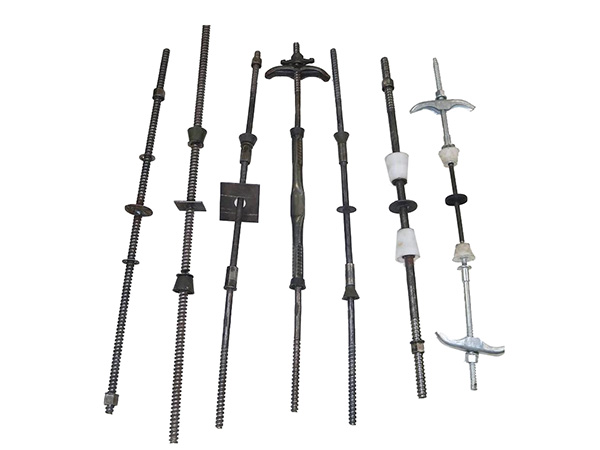
Couplers, for instance, are tested for grip strength by securing them to standard scaffold tube and measuring the torque required to cause slippage. The British Standard BS 1139 and the European EN 74 both specify minimum values, and our internal standards exceed them by a comfortable margin. Wall-tie bolts undergo shear and tension testing to confirm they can withstand the lateral forces typical in building facades. These aren't optional checks — every production batch triggers mandatory testing before items are cleared for shipment.
Beyond individual component tests, assembled systems undergo full-scale load testing. Sample frames are erected and loaded incrementally to design capacity, then monitored for deflection, joint movement, and structural distress. This data informs design refinements and validates the safety factors built into our engineering specs.
Inspection, Certification, and Ongoing Compliance
Quality control doesn't end when a product leaves the factory gate. Professional scaffolding inspection is a continuous responsibility shared between manufacturers, distributors, and end users. As a scaffolding manufacturer, we provide detailed certification documentation with every shipment — including material certificates, test reports, and traceability records that link each component back to its production lot. This traceability is invaluable when investigating any incident or when regulatory bodies request proof of compliance.
Our factory maintains ISO 9001 quality management certification, which requires regular third-party audits of our processes, from incoming material verification to final product inspection. External auditors visit annually to assess whether our procedures remain effective and whether our documentation accurately reflects what happens on the production floor. Passing those audits isn't a formality — it demands continuous improvement, corrective action on any non-conformance, and a genuine culture of quality at every level of the organization.
Inspection checklists used by site managers typically cover visual damage, corrosion, deformation, and proper assembly. Our products are designed with inspection in mind — clear marking systems, accessible connection points, and surface treatments that make hairline cracks or corrosion easy to spot. We also publish guidance documents that help users conduct thorough pre-use inspections, because even the best-manufactured equipment can be compromised by improper handling or storage.
The Bottom Line: Safety Is Non-Negotiable
Choosing a quality scaffolding supplier means choosing one whose testing standards you can verify, whose certifications are current, and whose team stands behind every claim. At Hebei Yicheng New Building Materials Co., Ltd., quality control isn't a department — it's a commitment woven into every decision from steel selection to final packaging. When contractors select scaffolding equipment, they deserve more than a competitive price. They deserve confidence that what they've purchased will perform exactly as specified.
The construction industry has no patience for shortcuts on safety. Neither do we.
References
1. British Standards Institution. (2008). BS 1139-1.2: Metal Scaffolding — Part 1: Couplers — Specification for Steel Tube and Fittings for Use with BS 1139-1.1. BSI.
2. European Committee for Standardization. (1988). EN 74-1: Couplers for Scaffolding — Part 1: Tube and Coupler Scaffolds — Specification for Couplers. CEN.
3. Huang, J. S., & Wei, W. (2019). Quality assurance and safety management in modular scaffolding systems. Journal of Construction Engineering and Management, 145(6), 04019031. American Society of Civil Engineers.
Join Our Global Distributor Network

Contact Us
Tel:+86-15831733891
E-mail:yichengbuildingmaterials@gmail.com
Add:100 meters south of Weicun Village, Hechengjie Town, Xian County, Cangzhou City, Hebei Province
Url:https://www.yc-buildingmaterials.com