







- Site Navigation -
NEWS LIST
Scaffolding Equipment Quality Control and Testing
Author:yicheng Date:2026-06-09 17:19:01 Hits:156

The safety of every scaffolding system depends fundamentally on the quality of its individual components. Defective couplers, under-strength tubes, or improperly galvanized parts can create failure points that compromise entire scaffold structures. Rigorous quality control and testing throughout the manufacturing process ensure components meet specified requirements and perform reliably in service.
Raw Material Verification
Quality begins with raw materials. Steel for scaffolding components must meet specified grade requirements (typically Q235 or Q345 for Chinese standard components, or S235/S355 for European specifications). Mill test reports document steel chemistry, mechanical properties, and heat treatment conditions for each coil or batch received.
Professional scaffolding manufacturers implement incoming material inspection programs that verify mill certificates against actual material properties through independent testing. This verification prevents the use of non-conforming materials that could compromise component performance and worker safety.
Dimensional Inspection During Production
Component dimensions directly affect assembly fit, structural performance, and interchangeability between production batches. Critical dimensions include tube diameters and wall thicknesses, coupler bore sizes, thread profiles on adjustable components, and overall component lengths. Statistical process control monitors dimensional trends that indicate tooling wear or process drift.
Leading scaffolding quality control teams use calibrated measurement instruments including micrometers, bore gauges, thread gauges, and coordinate measuring machines. They maintain measurement system analysis (MSA) programs that verify measurement accuracy and repeatability across inspection personnel and equipment.
Weld Quality and Non-Destructive Testing
Welded connections on scaffolding components must develop full design strength without defects that could initiate fatigue cracking or sudden failure. Visual inspection identifies surface defects, while non-destructive testing (NDT) methods like magnetic particle inspection (MPI) and ultrasonic testing (UT) detect subsurface discontinuities invisible to visual examination.
Experienced welded component manufacturers employ qualified welders with appropriate certifications and conduct regular weld procedure qualification testing. They maintain documented welding procedure specifications (WPS) that define parameters for each joint configuration and material combination used in production.
Mechanical Testing and Load Verification
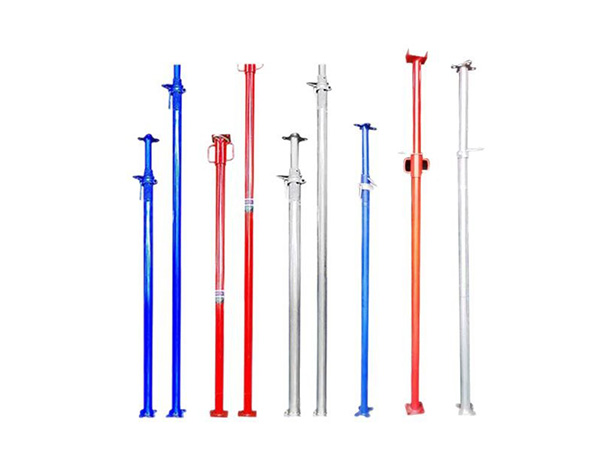
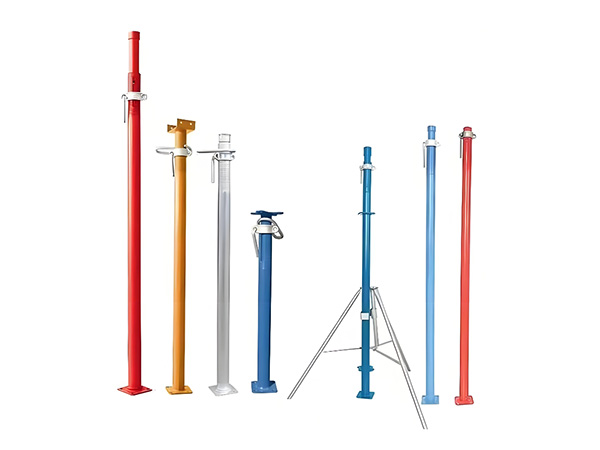
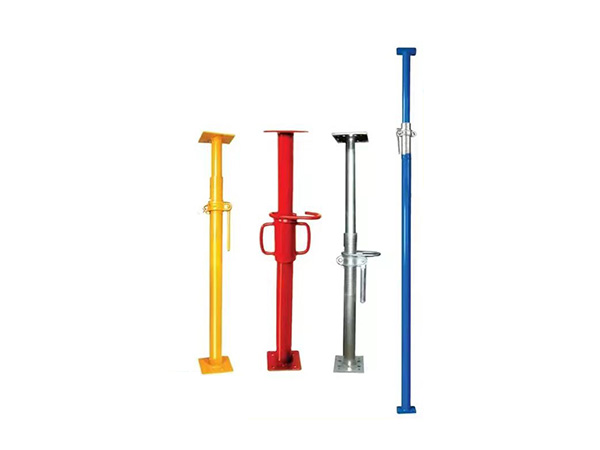
Components must demonstrate adequate mechanical performance through systematic testing programs. Couplers undergo slip resistance testing, crushing strength testing, and repeated assembly/disassembly fatigue testing. Adjustable jacks and screw props are tested for axial load capacity at maximum extension. Tubes undergo yield strength and dimensional testing.
Quality-focused scaffolding testing laboratories conduct mechanical testing per recognized standards including EN 74 for couplers and applicable national standards for tubes and adjustable components. They provide test reports documenting performance relative to specified requirements for each product category.
Galvanizing Quality Assessment
Hot-dip galvanizing quality requires verification of coating thickness, adhesion, and uniformity. Magnetic thickness gauges measure zinc coating at designated locations on each component. Visual inspection identifies bare spots, zinc lumps, and drainage defects that could affect component function or corrosion resistance.
Reputable galvanized component factories maintain galvanizing quality records including coating thickness measurements, visual inspection results, and salt spray test data. They provide coating certificates documenting compliance with ISO 1461 requirements for each production batch.
Third-Party Certification and Auditing
Independent third-party certification provides objective verification of quality management system effectiveness. ISO 9001 certification demonstrates systematic quality management practices. Product certification to EN 12810 or equivalent standards verifies component performance through independent testing. Regular auditing maintains certification currency and drives continuous improvement.
Established certified scaffolding suppliers maintain current certifications from recognized bodies and welcome customer audits of their facilities and processes. This transparency demonstrates commitment to quality that extends beyond minimum compliance to genuine manufacturing excellence.
Making Informed Quality Decisions
When procuring scaffolding equipment, evaluate supplier quality capabilities as rigorously as product pricing. Request quality documentation including test reports, certifications, and quality manuals. Visit manufacturing facilities when possible to observe processes firsthand. Quality scaffolding components protect workers and deliver long-term value that justifies investment in superior manufacturing.
Effective quality control and testing ensure scaffolding components perform as designed throughout their service life. By understanding quality requirements and partnering with certified manufacturers, contractors can source equipment that delivers safety, reliability, and value.
References
International Organization for Standardization (ISO) - ISO 9001: Quality Management Systems Requirements
European Committee for Standardization (CEN) - EN 74-1: Couplers and Spigots for Scaffolding
European Committee for Standardization (CEN) - EN 12810-1: Façade Scaffolds Performance Requirements

Contact Us
Tel:+86-15831733891
E-mail:yichengbuildingmaterials@gmail.com
Add:100 meters south of Weicun Village, Hechengjie Town, Xian County, Cangzhou City, Hebei Province
Url:https://www.yc-buildingmaterials.com