







- Site Navigation -
NEWS LIST
Scaffolding Safety Standards and Best Practices
Author:yicheng Date:2026-06-12 17:25:02 Hits:160
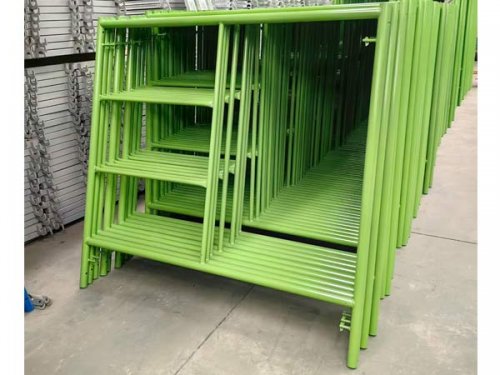
Scaffolding remains one of the most significant hazard areas in construction, accounting for a substantial percentage of construction fatalities and injuries annually. Understanding and implementing scaffolding safety standards protects workers, reduces liability exposure, and ensures regulatory compliance. This guide covers essential safety requirements and practical best practices for scaffold operations.
Regulatory Framework and Key Standards
Scaffolding safety is governed by comprehensive regulations across jurisdictions. In the United States, OSHA standard 1926.451 establishes requirements for scaffold capacity, platform construction, access, and use. European standards EN 12810/12811 define performance requirements for prefabricated scaffolding systems. Understanding applicable regulations provides the foundation for compliant scaffold operations.
Professional scaffolding safety equipment suppliers design their products to meet applicable standards and provide documentation supporting compliance. They maintain current knowledge of regulatory requirements and can advise on specific provisions affecting scaffold design and operation in different jurisdictions.
Scaffold Capacity and Loading Requirements
Scaffolds must support their own weight plus at least four times the maximum intended load. Light-duty scaffolds support 25 psf, medium-duty 50 psf, and heavy-duty 75 psf working loads. Overloading scaffolds—using them for material storage beyond their rated capacity—causes structural failures with potentially catastrophic consequences.
Leading scaffolding manufacturers provide load capacity documentation for their systems, including rated capacities for various configurations and clear warnings about loading limitations. Using this documentation for scaffold design calculations ensures structures meet or exceed safety requirements.
Platform Construction and Fall Protection
Working platforms must be fully decked with scaffold-grade planks or metal decking secured against displacement. Guardrail systems (top rails at 39-45 inches, mid-rails, and toe boards) must protect all open sides and ends of platforms more than 10 feet above lower levels. Personal fall arrest systems supplement guardrails for certain operations.
Experienced scaffold platform suppliers offer integrated decking and guardrail systems designed for compatibility with their scaffolding frameworks. These engineered systems provide reliable fall protection that meets regulatory requirements while facilitating efficient scaffold assembly and use.
Access Requirements and Stairway Systems
Safe access to scaffold platforms requires compliant stairways, ladder towers, or direct access from adjacent structures. Climbing scaffold frames to reach working platforms is prohibited—proper access systems must be provided from the ground to every working level. Stairway modules integrated into scaffold systems provide the safest access method.
Quality-focused scaffold access system suppliers offer modular stairways compatible with their scaffolding systems. These stairways feature proper tread dimensions, handrails on both sides, and landing platforms at appropriate intervals that comply with access requirements.
Inspection and Maintenance Protocols
OSHA requires scaffolds to be inspected by a competent person before each work shift and after any occurrence that could affect structural integrity. Inspections verify proper assembly, connection security, platform condition, and adequate bracing. Damaged or defective components must be immediately removed from service and replaced.
Reputable scaffolding component manufacturers provide inspection checklists, training materials, and component identification guides that support effective inspection programs. They also offer replacement parts programs ensuring damaged components can be replaced quickly to minimize project delays.
Training Requirements for Scaffold Users
Workers who erect, dismantle, move, alter, or work on scaffolds must receive training covering scaffold hazards, fall protection, falling object protection, and safe work practices. Scaffold erectors need additional training on design criteria, maximum intended loads, and proper assembly procedures for the specific scaffold systems they use.
Established scaffolding system suppliers provide training programs covering their specific products, including assembly procedures, load capacity limitations, and inspection techniques. This manufacturer-specific training supplements general scaffold safety training required by regulations.
Building a Safety-First Scaffold Culture
Scaffold safety requires more than regulatory compliance—it demands a genuine safety culture where every worker understands hazards, follows procedures, and feels empowered to stop work when conditions appear unsafe. Investing in quality scaffolding components from reputable suppliers, providing comprehensive training, and conducting thorough inspections creates the foundation for safe scaffold operations.
Effective scaffold safety programs protect workers, reduce project risks, and demonstrate the professional competence that earns client trust and repeat business. By prioritizing safety and partnering with responsible equipment suppliers, construction organizations can achieve outstanding safety records.
References
Occupational Safety and Health Administration (OSHA) - Scaffolding Standard 29 CFR 1926.451
European Committee for Standardization (CEN) - EN 12810/12811: Scaffolding Performance Standards
National Institute for Occupational Safety and Health (NIOSH) - Falls in Construction Prevention Guide

Contact Us
Tel:+86-15831733891
E-mail:yichengbuildingmaterials@gmail.com
Add:100 meters south of Weicun Village, Hechengjie Town, Xian County, Cangzhou City, Hebei Province
Url:https://www.yc-buildingmaterials.com