







- Site Navigation -
NEWS LIST
Steel Support Systems in Modern Construction
Author:yicheng Date:2026-06-21 18:23:55 Hits:105

Timber dominated temporary support in construction for generations. It was cheap, widely available, and familiar to every tradesperson. But wood varies in strength from piece to piece, and it degrades—it rots, it splits, and it burns. On a busy site, those properties translate into real safety risks. Modern construction has largely moved to engineered steel alternatives that offer consistent, predictable performance under load. Steel support systems, sourced from an experienced steel support manufacturer or steel support supplier, have become the default choice for projects where structural integrity and worker safety are non-negotiable.
What Steel Support Systems Do
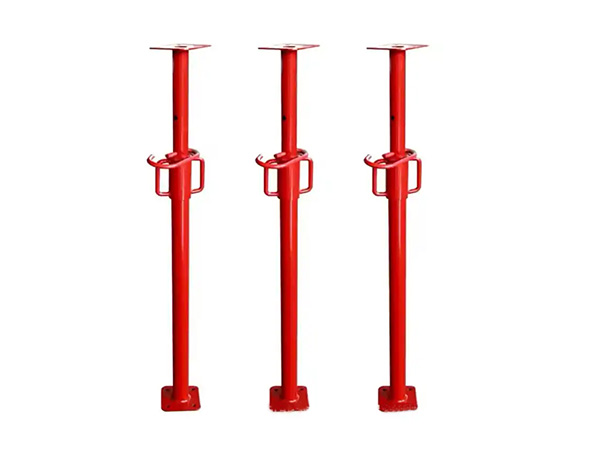
The primary job of a steel support is exactly what the name suggests: it supports. During construction, concrete slabs, beams, and walls need physical reinforcement until the material cures to design strength. Until that point, loads travel through temporary supports—shores, reshores, and bracing frames—down to the ground or to already-cured lower floors. Steel's consistency gives it a decisive advantage: every piece of structural steel from a given specification behaves predictably under load. That predictability lets engineers calculate exactly how much weight a support system can carry, which is essential when signing off on a construction sequence.
Beyond their temporary role, steel supports often become permanent parts of the finished structure. In underground construction, steel members frequently form part of the permanent retaining system. In bridge falsework, some steel components remain embedded or are incorporated into the final structure. This dual capability makes steel one of the most versatile materials in the building industry, and a capable manufacturer can supply components for both temporary and permanent applications from a single product range.
Types of Steel Supports Available
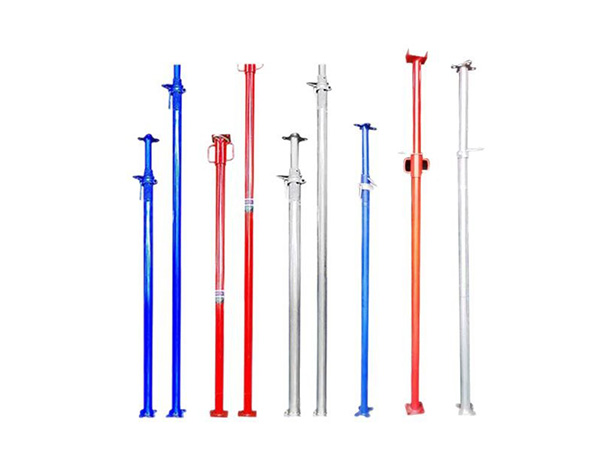
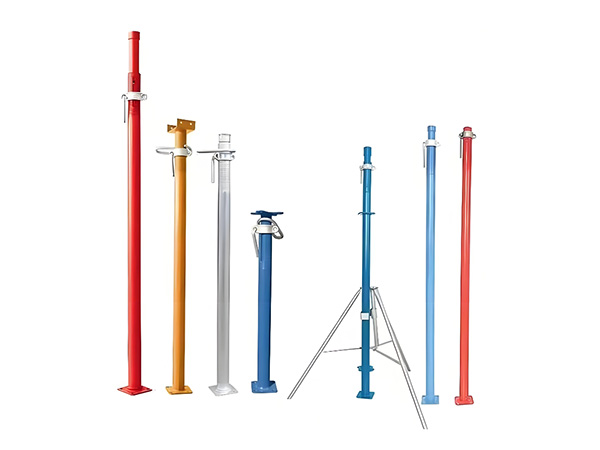
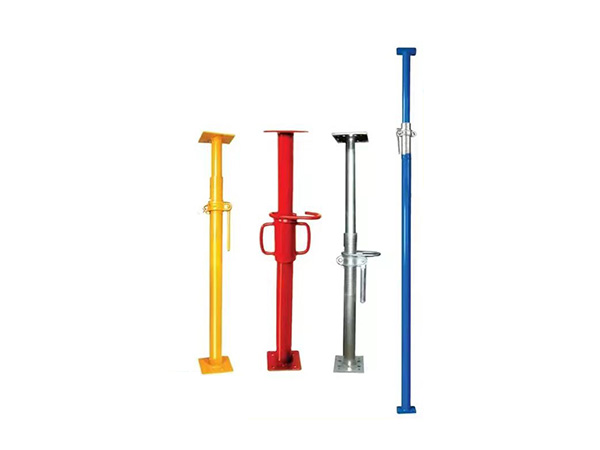
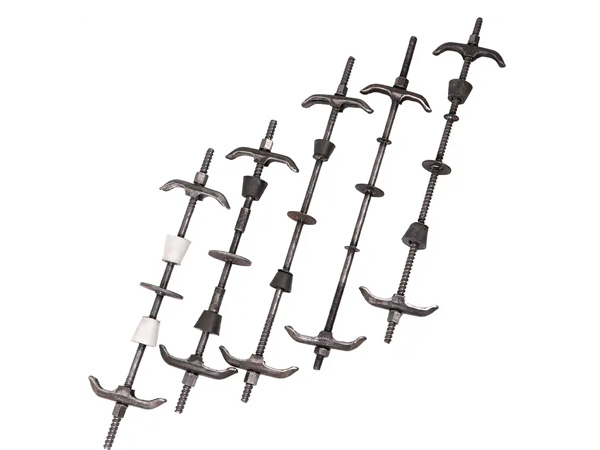
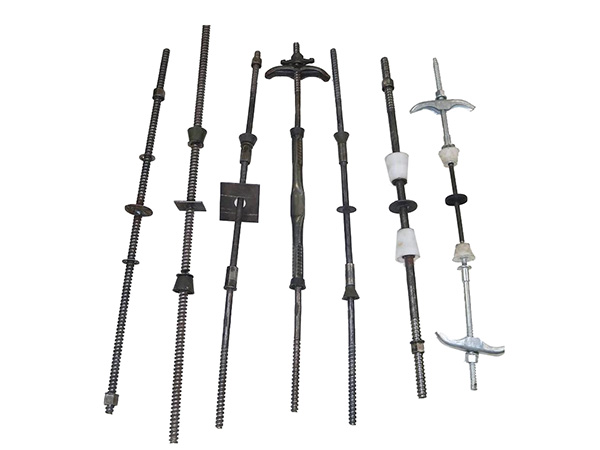
A well-equipped factory producing steel support systems typically offers several configurations to address different site conditions. Adjustable steel supports are the most common: they feature an internal screw mechanism that allows contractors to fine-tune height on site, accommodating slight variations in slab elevation or construction tolerances. Fixed-length steel supports are used where geometry is predictable and setup speed matters. For exterior applications, powder-coated steel supports provide a protective polymer layer that extends service life compared to bare steel.
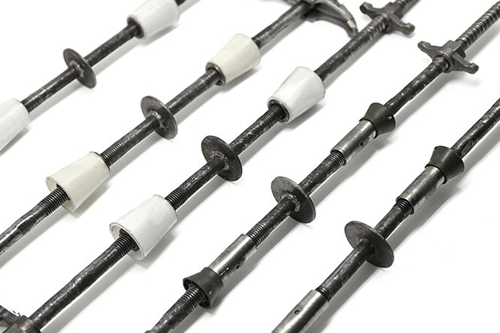
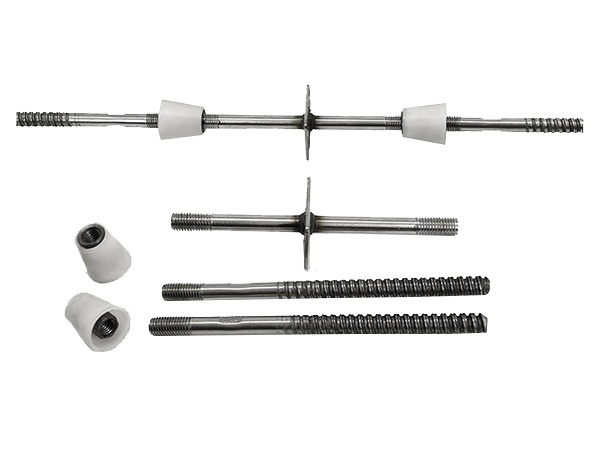
The connection between support components matters as much as the supports themselves. Couplers and forged fasteners link individual steel members into complete frames or bracing systems. A professional supplier offers matched component sets where every part is engineered to work together, avoiding the risk of mixing incompatible elements in the field. Adjustable screw jacks—featuring threaded shafts and U-head or flat-base terminations—form the bearing points between vertical standards and horizontal bearers, and these too should come from a unified system rather than a mix of suppliers.
Where Steel Supports Are Used
The application range is broad. In bridge construction, falsework systems made from steel members carry the weight of freshly cast bridge decks until the concrete reaches design strength. High-rise buildings depend on reshoring sequences where multiple tiers of steel supports transfer loads from newly poured slabs down through completed floors to the foundation. Industrial plants, commercial complexes, and residential developments all follow variations of this principle. In infrastructure projects such as transit stations and underground parking structures, steel supports often remain as permanent components—demanding the highest quality materials and precision fabrication, since accessing and replacing failed supports after completion is expensive and disruptive. Offshore platforms and marine construction add further demands, where steel supports must resist saltwater spray and cyclic loading in addition to the usual structural loads.
Choosing the Right Supplier and Meeting Standards
Selecting a steel support supplier involves more than comparing unit prices. Load capacity must match or exceed the calculated demands of the project. Material certifications confirming the steel grade and yield strength should be available on request. A supplier's production standards and testing practices affect the consistency of what arrives on site—dimensional tolerances, thread quality, and coating thickness all influence performance under load. Delivery logistics matter on fast-moving construction schedules, and a supplier with reliable dispatch capabilities prevents costly site delays.
Temporary works are subject to increasingly rigorous standards worldwide. In the UK, industry guidance defines best practices; in the United States, OSHA regulations and ANSI standards set the benchmark. A reputable manufacturer produces components traceable to documented test data. Regular inspection during use—removing bent, cracked, or severely corroded members from service—is standard practice. Maintaining a stock of spare supports from the original supplier ensures replacements match the existing system. Proper documentation of support capacities, material certifications, and inspection records also supports compliance with project quality management plans.
Join Our Global Distributor Network
References
Health and Safety Executive. (2015). Formwork: A Guide to Good Practice (SG4:15). HSE Books.
American Society of Civil Engineers. (2019). Minimum Design Loads and Associated Criteria for Buildings and Other Structures (ASCE/SEI 7-16). ASCE.
Mosley, W. H., Bungey, J. H., & Hulse, R. (2012). Reinforced Concrete Design to Eurocode 2 (7th ed.). Palgrave Macmillan.

Contact Us
Tel:+86-15831733891
E-mail:yichengbuildingmaterials@gmail.com
Add:100 meters south of Weicun Village, Hechengjie Town, Xian County, Cangzhou City, Hebei Province
Url:https://www.yc-buildingmaterials.com