







- Site Navigation -
NEWS LIST
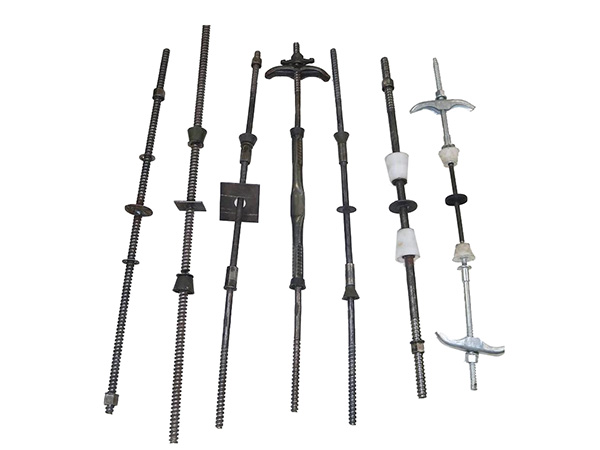
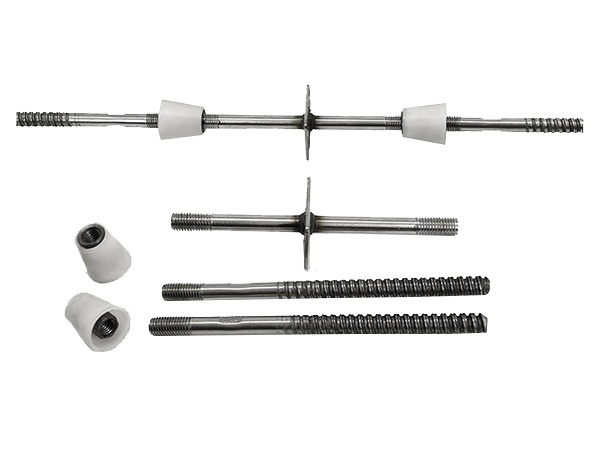
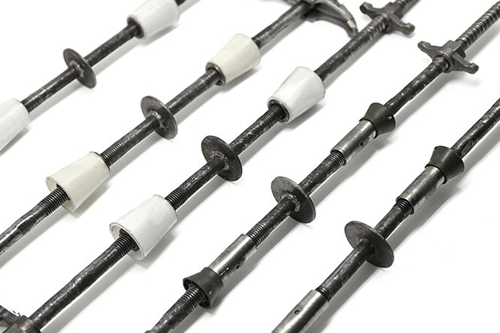
The Role of Wall-Tie Bolt in Masonry Reinforcement
Author:yicheng Date:2026-02-03 10:00:51 Hits:130
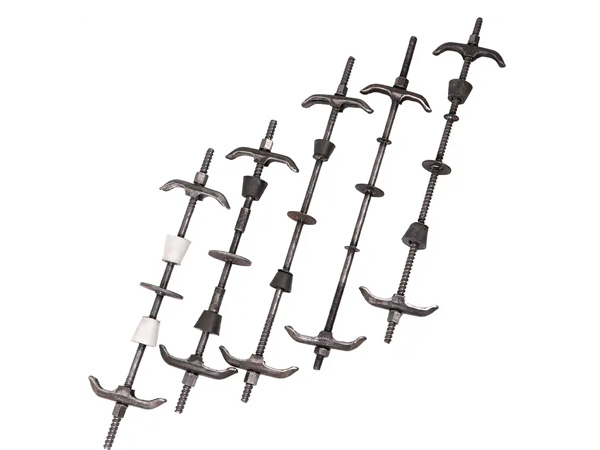
Why Wall-Tie Bolt Matters in Masonry Construction
Modern masonry construction requires not only aesthetic design but also strong structural performance. One of the most important reinforcement components is the Wall-Tie Bolt, which connects masonry walls to structural frames and improves overall stability.
With professional manufacturer-controlled production and factory-based processing, Wall-Tie Bolts today are produced with high precision and consistent quality, enabling stable batch supply for residential, commercial, and industrial projects.
From brick facades to concrete block walls, Wall-Tie Bolt systems help transfer loads, control movement, and prevent cracking, making them an essential part of reinforced masonry structures.
What Is a Wall-Tie Bolt?
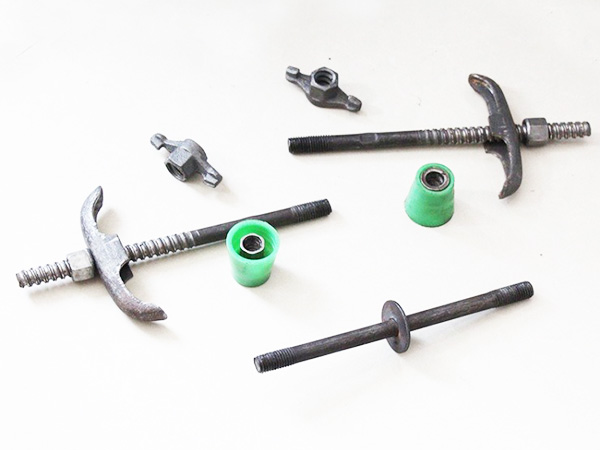
A Wall-Tie Bolt is a mechanical fastener used to anchor masonry walls to structural elements such as concrete frames, steel columns, or backup walls. Its main function is to provide lateral support while allowing controlled movement caused by thermal expansion, moisture variation, or structural settlement.
Factory production ensures that each Wall-Tie Bolt meets dimensional accuracy and material standards before delivery. Through CNC machining, surface treatment, and inspection, manufacturers can provide reliable products for bulk construction use.
These bolts are widely used in brick veneer systems, block masonry, curtain walls, and composite wall assemblies.
Structural Function of Wall-Tie Bolt in Reinforcement
The main role of a Wall-Tie Bolt is to transfer loads between masonry and the supporting structure.
It helps:
·Resist wind pressure and seismic forces
·Maintain wall alignment
·Prevent separation between layers
·Control crack development
·Enhance load distribution
Without proper wall-tie reinforcement, masonry walls may experience displacement, bulging, or even collapse under lateral loads. Manufacturer production quality plays a key role in ensuring each bolt performs as designed.
Load Transfer and Stability Performance
In masonry systems, walls often carry their own weight while relying on structural frames for lateral stability. The Wall-Tie Bolt connects these two elements, allowing forces to move safely through the structure.
Factory-produced bolts are engineered to handle tension, shear, and compression forces. Precision threading, controlled heat treatment, and surface finishing ensure predictable performance during service life.
This load transfer mechanism improves building safety and long-term durability, especially in high-rise or large-span masonry projects.
Installation Efficiency and Construction Speed
Another advantage of using Wall-Tie Bolt systems is improved construction efficiency.
Since bolts are standardized through factory production, installation becomes faster and more accurate on site. Workers can easily position, tighten, and align masonry units without excessive manual adjustment.
For large projects, manufacturer batch supply ensures consistent dimensions and packaging, reducing installation errors and improving workflow on construction sites.
Material Selection and Corrosion Resistance
Wall-Tie Bolt performance depends heavily on material and surface treatment.
Common materials include carbon steel, alloy steel, and stainless steel, selected according to load requirements and environmental exposure. Surface treatments such as galvanizing or special coatings improve corrosion resistance, especially in humid or coastal areas.
During factory production, manufacturers control material sourcing and finishing processes to ensure every Wall-Tie Bolt meets durability standards for long-term use.
Design Flexibility for Different Masonry Systems
Masonry structures vary widely in thickness, layout, and load conditions. Wall-Tie Bolt systems offer design flexibility to adapt to these requirements.
Manufacturers can customize bolt length, diameter, thread type, and anchoring style according to project needs. Whether for brick veneer, block masonry, or composite wall systems, factory production supports consistent customization while maintaining batch supply capacity.
This flexibility makes Wall-Tie Bolts suitable for residential buildings, commercial complexes, industrial facilities, and infrastructure projects.
Quality Control Through Factory Production
Quality control is essential for masonry reinforcement components. A professional Wall-Tie Bolt Manufacturer relies on factory-based systems to maintain performance consistency.
Typical production and inspection processes include:
·CNC machining
·Thread rolling
·Heat treatment
·Surface coating
·Dimensional inspection
·Load testing
Through standardized production lines and strict inspection, factories ensure that every Wall-Tie Bolt meets engineering requirements before shipment, supporting safe and efficient construction.
Applications of Wall-Tie Bolt in Construction
Wall-Tie Bolt systems are widely used in:
·Brick veneer walls
·Concrete block structures
·Curtain wall backup systems
·Industrial masonry buildings
·Residential housing
·Commercial facades
Thanks to manufacturer production and factory supply capability, these bolts can be delivered in bulk quantities to meet large-scale project demands.
Sustainability and Long-Term Performance
Sustainable construction is becoming increasingly important. Wall-Tie Bolt systems support sustainability by extending building life and reducing maintenance needs.
Durable materials and corrosion-resistant coatings minimize replacement frequency, while factory production reduces material waste and improves manufacturing efficiency.
By improving masonry reinforcement reliability, Wall-Tie Bolts contribute to safer and more sustainable building environments.
Future Development of Wall-Tie Bolt Technology
As construction technology advances, Wall-Tie Bolt production is becoming smarter and more precise.
Manufacturers are adopting automated machining, digital measurement, and advanced coatings to improve consistency and performance. These innovations help factories deliver higher-quality bolts for modern masonry reinforcement systems.
With urban development and infrastructure growth, demand for reliable Wall-Tie Bolt solutions will continue to rise globally.
Conclusion: Choosing Reliable Wall-Tie Bolt for Masonry Reinforcement
The Wall-Tie Bolt plays a critical role in masonry reinforcement by enhancing stability, load transfer, durability, and construction efficiency.
By working with a professional Wall-Tie Bolt Manufacturer supported by factory production and batch supply capability, builders and engineers gain consistent quality, reliable delivery, and long-term performance.
Whether for residential, commercial, or industrial masonry projects, Wall-Tie Bolt systems remain an essential and future-oriented solution for modern construction.
References
GB/T 7714:Lam C Y, Masia M, Chaves I, et al. Assessing Wall Tie Deterioration in Masonry Veneer Wall Through Vibration-Based Damage Identification Methods[J]. Buildings, 2025, 15(8): 1226.
MLA:Lam, Chee Yin, et al. "Assessing Wall Tie Deterioration in Masonry Veneer Wall Through Vibration-Based Damage Identification Methods." Buildings 15.8 (2025): 1226.
APA:Lam, C. Y., Masia, M., Chaves, I., Hossain, M. A., & Vazey, J. (2025). Assessing Wall Tie Deterioration in Masonry Veneer Wall Through Vibration-Based Damage Identification Methods. Buildings, 15(8), 1226.

Contact Us
Tel:+86-15831733891
E-mail:yichengbuildingmaterials@gmail.com
Add:100 meters south of Weicun Village, Hechengjie Town, Xian County, Cangzhou City, Hebei Province
Url:https://www.yc-buildingmaterials.com