







- Site Navigation -
NEWS LIST
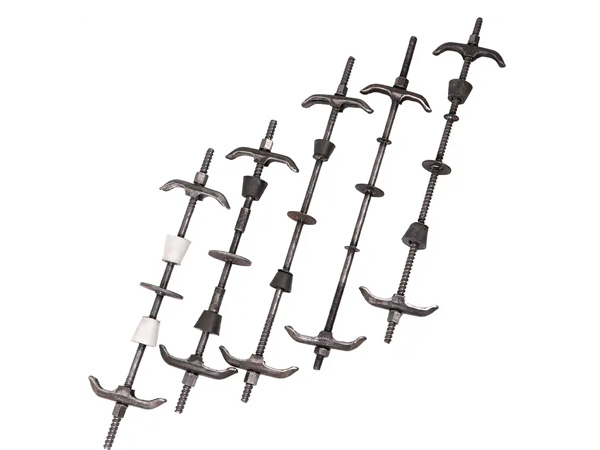
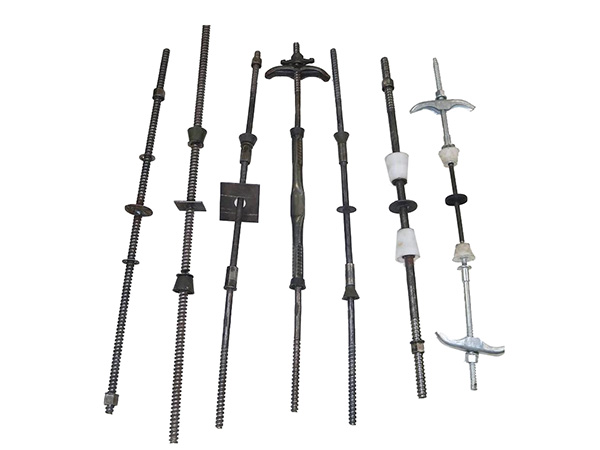
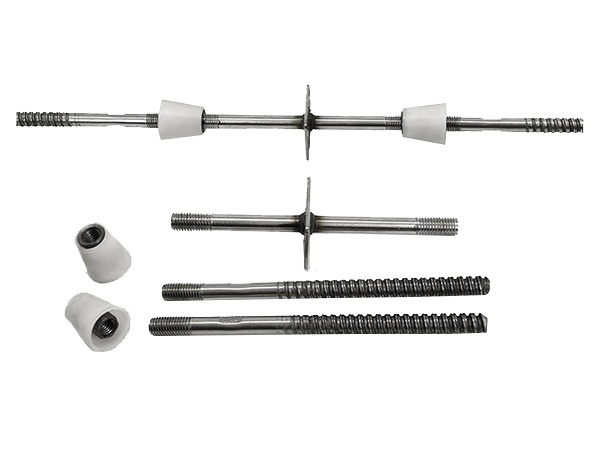
Understanding Coupler Tolerances and Engineering Requirements
Author:yicheng Date:2026-02-01 09:51:08 Hits:95
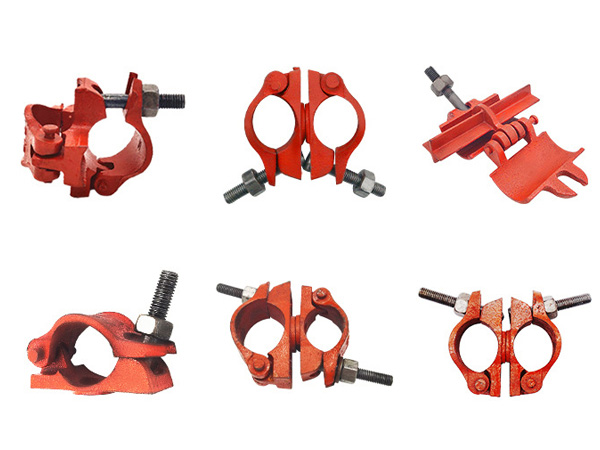
Why Coupler Tolerances Matter in Engineering
In modern mechanical and industrial systems, the Coupler plays a critical role in connecting shafts, pipes, or structural components while transmitting force, torque, or motion. Whether used in construction, machinery, rail systems, fluid transfer, or automation equipment, couplers must meet strict engineering requirements to ensure safety, efficiency, and long-term reliability.
With professional manufacturer-controlled production and factory-based processing, couplers today are produced with higher precision and consistency than ever before. However, without proper tolerance control, even a well-designed coupler can lead to vibration, leakage, misalignment, or premature failure.
Understanding coupler tolerances and engineering standards helps users choose the right product and helps factories maintain stable batch supply quality.
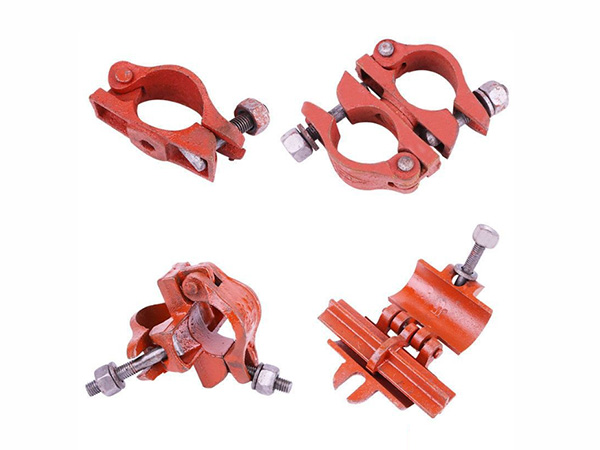
What Is a Coupler and Its Engineering Function
A Coupler is a mechanical component designed to connect two parts so that power, motion, or fluid can be transferred between them. Depending on the application, couplers may connect rotating shafts, pipes, rebar, hydraulic systems, or modular assemblies.
From an engineering perspective, a coupler must:
·Maintain alignment
·Absorb minor misalignment
·Transmit load or torque efficiently
·Reduce vibration and stress
·Ensure sealing or mechanical locking
Factory production ensures each coupler meets dimensional and performance standards before shipment, allowing manufacturers to deliver reliable bulk supply for industrial projects.
Understanding Coupler Tolerances
Tolerance refers to the allowable variation in a coupler’s dimensions, geometry, and performance characteristics. In real-world production, no part can be made perfectly identical, so engineering tolerances define acceptable limits for safe operation.
For a coupler, tolerances typically involve:
·Inner and outer diameter
·Length and concentricity
·Surface finish
·Thread accuracy
·Angular and axial alignment
If tolerances are too loose, the coupler may cause vibration, leakage, or load imbalance. If tolerances are too tight, production costs increase and assembly becomes difficult.
A professional coupler manufacturer balances precision and efficiency through advanced factory production processes such as CNC machining, automated inspection, and standardized batch manufacturing.
Key Engineering Requirements for Couplers
1. Load and Torque Capacity
Engineering design must ensure the coupler can transmit required loads without deformation or failure. This includes static load, dynamic load, fatigue resistance, and impact resistance.
Factory testing during production verifies that couplers meet specified strength requirements for industrial usage.
2. Alignment and Misalignment Compensation
Perfect alignment is rarely possible in real installations. A good coupler design allows small angular, parallel, or axial misalignments without excessive stress.
Engineering tolerance zones are defined so the coupler can compensate while maintaining performance and service life.
3. Material Selection
Material affects strength, corrosion resistance, temperature tolerance, and durability. Common materials include carbon steel, alloy steel, stainless steel, and engineered composites depending on application needs.
Manufacturer production facilities control material sourcing and processing to ensure consistency across batch supply.
4. Dimensional Precision
Dimensional accuracy ensures compatibility with connected parts. Precision machining in factory production keeps bore size, threads, and contact surfaces within design limits.
This avoids installation issues and improves interchangeability for large-scale projects.
5. Surface Treatment and Finishing
Surface roughness and coatings influence friction, wear, and corrosion resistance. Treatments such as galvanizing, black oxide, or special coatings are often applied during factory processing to extend service life.
How Factory Production Controls Coupler Quality
Reliable coupler performance starts with controlled manufacturing. A professional Coupler Manufacturer relies on factory-based systems to maintain tolerance and performance consistency.
Typical factory production includes:
·CNC turning and milling
·Automated threading
·Heat treatment
·Surface finishing
·Dimensional inspection
·Load and torque testing
By using standardized production lines and inspection tools, factories ensure each coupler in bulk supply meets engineering requirements before delivery.
Applications That Depend on Coupler Precision
Coupler tolerances affect many industries, including:
·Mechanical transmission systems
·Hydraulic and pneumatic pipelines
·Construction and reinforcement systems
·Rail and transport assemblies
·Automation equipment
·Industrial machinery
In these applications, improper tolerance can cause vibration, leakage, noise, or system downtime. That is why manufacturer production standards and factory testing are essential for reliable long-term operation.
Balancing Cost and Precision in Coupler Design
Engineering always requires balancing precision and production cost. Extremely tight tolerances improve performance but increase machining time and inspection cost.
A professional coupler factory analyzes application requirements and sets realistic tolerance ranges that ensure safety without unnecessary manufacturing expense.
Through batch production, manufacturers optimize tooling, material usage, and process flow to deliver both quality and cost efficiency for large-volume supply.
Installation Considerations Related to Tolerances
Even the best coupler design can fail if installation ignores tolerance requirements.
Proper installation should include:
·Shaft or pipe alignment checks
·Clean contact surfaces
·Correct torque application
·Avoiding forced assembly
·Periodic inspection
Factory documentation often provides tolerance and installation guidance so users can maintain coupler performance in real operation.
Future Trends in Coupler Engineering
With the development of smart manufacturing and automation, coupler production is becoming more precise and efficient.
Factories are introducing:
·Digital measurement systems
·Automated quality inspection
·Simulation-based tolerance analysis
·Advanced materials
·Intelligent batch tracking
These improvements allow manufacturers to supply couplers with higher consistency, longer service life, and better integration into modern engineering systems.
Conclusion: Choosing the Right Coupler with Engineering Confidence
Understanding Coupler tolerances and engineering requirements is essential for system reliability, safety, and efficiency. Precision design, controlled factory production, and manufacturer-level quality assurance ensure that each coupler performs as expected under real working conditions.
By cooperating with a professional Coupler Manufacturer supported by factory production and batch supply capability, users benefit from stable quality, optimized tolerance control, and long-term performance.
Whether for mechanical transmission, construction, pipelines, or automation, choosing the right coupler backed by reliable production is a smart investment in engineering success.
References
GB/T 7714:Maltauro M, Meneghello R, Concheri G. Tolerance specifications management integrated into the product development cycle[J]. Machines, 2024, 12(2): 147.
MLA:Maltauro, Mattia, Roberto Meneghello, and Gianmaria Concheri. "Tolerance specifications management integrated into the product development cycle." Machines 12.2 (2024): 147.
APA:Maltauro, M., Meneghello, R., & Concheri, G. (2024). Tolerance specifications management integrated into the product development cycle. Machines, 12(2), 147.

Contact Us
Tel:+86-15831733891
E-mail:yichengbuildingmaterials@gmail.com
Add:100 meters south of Weicun Village, Hechengjie Town, Xian County, Cangzhou City, Hebei Province
Url:https://www.yc-buildingmaterials.com