







- Site Navigation -
NEWS LIST
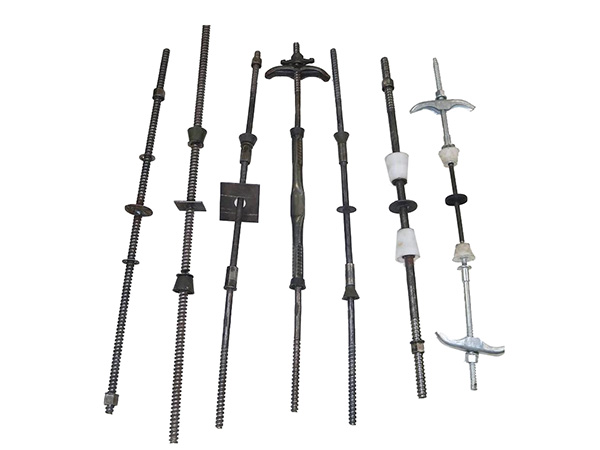
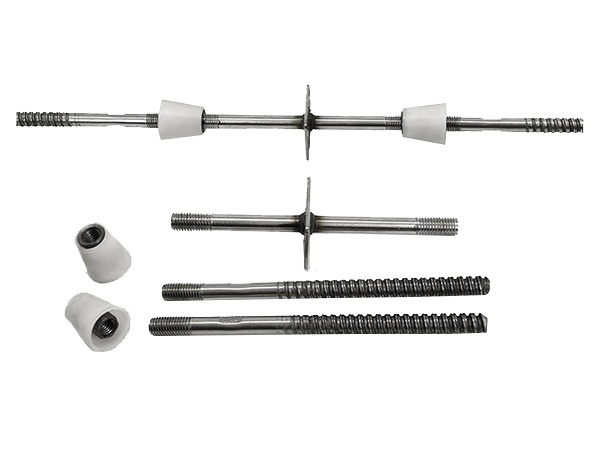
Wall-Tie Bolt Corrosion Risks and How to Prevent Them
Author:yicheng Date:2026-01-19 17:07:49 Hits:150
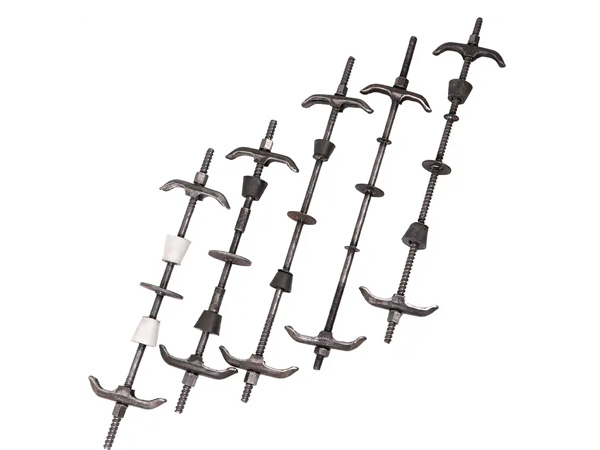
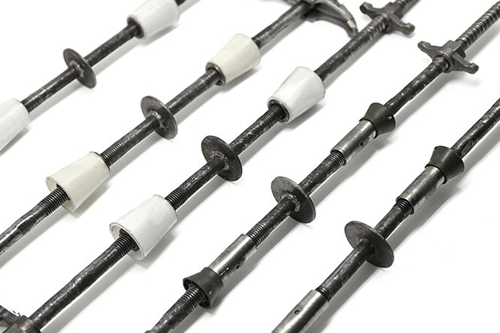
In modern construction and structural reinforcement, the Wall-Tie Bolt plays a vital role in connecting masonry, concrete, and steel components. These fasteners ensure stability, load transfer, and long-term safety in both residential and industrial buildings. However, corrosion remains one of the biggest threats to Wall-Tie Bolt performance, directly affecting structural integrity and service life.
For projects requiring consistent quality and large-volume supply, choosing Wall-Tie Bolts from a professional Manufacturer with factory-based production control becomes essential. Controlled production environments improve material selection, surface treatment, and inspection standards, reducing corrosion risks from the very beginning of the supply chain.
This article explores common corrosion risks affecting Wall-Tie Bolts and provides practical prevention strategies to help engineers, contractors, and procurement teams extend product lifespan while maintaining construction safety.
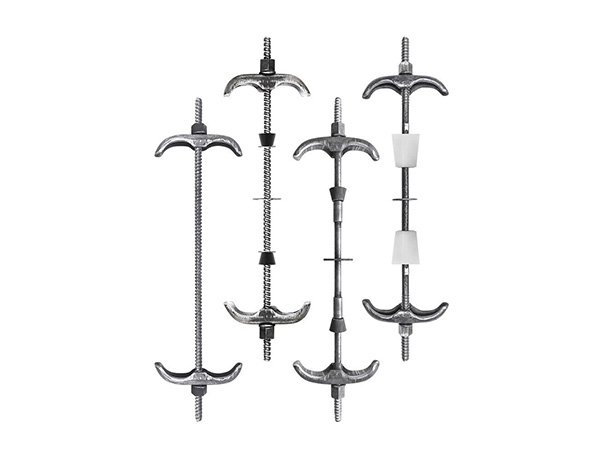
Understanding Wall-Tie Bolt Corrosion
Corrosion is a chemical reaction between metal and its environment, usually involving oxygen and moisture. For a Wall-Tie Bolt embedded in masonry or exposed to the atmosphere, corrosion can begin silently and expand over time.
When corrosion develops, the bolt’s cross-section reduces, weakening its load-bearing capacity. Expansion caused by rust may also crack surrounding masonry, leading to structural damage beyond the fastener itself.
In factory-controlled production, material selection and coating processes are optimized to minimize this reaction. Professional manufacturing environments ensure consistent steel composition and surface treatment quality before Wall-Tie Bolts enter the market.
Common Causes of Wall-Tie Bolt Corrosion
Moisture Penetration
Water is the primary driver of corrosion. Wall-Tie Bolts installed in external walls, basements, or humid environments face constant exposure to moisture. Rainwater infiltration, condensation, and capillary absorption inside masonry all contribute to rust formation.
If production quality is inconsistent, micro-cracks in coatings can allow moisture to reach the steel core. That is why factory-level surface finishing plays a major role in corrosion prevention.
Oxygen Exposure
Corrosion accelerates when oxygen combines with iron in steel. In porous building materials, oxygen continuously diffuses toward embedded bolts. Without proper protection, Wall-Tie Bolts begin oxidizing shortly after installation.
Professional manufacturing processes apply controlled coatings that limit oxygen contact with the base material.
Chemical Attack
Salts, chlorides, and pollutants increase corrosion speed. Coastal environments, industrial zones, and de-icing chemicals expose Wall-Tie Bolts to aggressive compounds that break down protective layers.
Manufacturer-grade production includes testing materials against chemical resistance to improve long-term durability.
Poor Surface Treatment
If coating thickness is uneven or bonding strength is low, corrosion protection becomes unreliable. Low-quality production often results in early coating failure, accelerating rust formation.
Factory-controlled production systems reduce this risk through automated surface preparation and inspection.
Types of Corrosion Affecting Wall-Tie Bolts
Uniform Corrosion
This type spreads evenly across the surface, gradually reducing the bolt’s diameter. While predictable, it still weakens structural capacity over time.
Pitting Corrosion
Small localized pits form on the bolt surface, creating stress concentration points. Pitting is particularly dangerous because it is hard to detect and may cause sudden failure.
Crevice Corrosion
Occurs in narrow gaps between the Wall-Tie Bolt and surrounding material. Trapped moisture and limited oxygen create aggressive micro-environments.
Galvanic Corrosion
When dissimilar metals contact each other in the presence of moisture, the less noble metal corrodes faster. Proper material matching during production helps prevent this issue.
Prevention Strategies for Wall-Tie Bolt Corrosion
Use Corrosion-Resistant Materials
Selecting appropriate steel grades is the first step. Stainless steel or alloy steels provide better resistance than basic carbon steel.
In professional manufacturing facilities, raw material inspection ensures chemical composition consistency before production begins.
Apply Protective Coatings
Coatings act as barriers between metal and environment. Common protection methods include:
·Hot-dip galvanizing
·Mechanical plating
·Polymer coatings
·Epoxy finishes
Factory-controlled production ensures uniform thickness and strong adhesion for long-term performance.
Control Installation Conditions
Even the best Wall-Tie Bolt can fail if installed incorrectly. Avoid installation in excessively wet conditions and ensure proper drainage design to prevent water accumulation around fasteners.
Design for Ventilation
Proper airflow within wall cavities reduces moisture retention. Dry environments slow corrosion significantly and protect embedded Wall-Tie Bolts.
Regular Inspection and Maintenance
Periodic inspection allows early detection of corrosion. Replacing affected bolts early prevents structural degradation.
Manufacturer documentation often provides recommended inspection cycles for different environmental conditions.
Role of Manufacturing Quality in Corrosion Prevention
The reliability of a Wall-Tie Bolt begins long before installation. A professional Manufacturer with standardized factory production focuses on:
·Controlled raw material sourcing
·Precision machining
·Automated coating lines
·Thickness and adhesion testing
·Batch traceability
Large-scale production systems also ensure consistency between orders, reducing performance variation across projects.
Factory-based supply improves corrosion resistance not only through materials but also through repeatable production accuracy.
Applications Where Corrosion Control Matters Most
Wall-Tie Bolts are widely used in:
·Brick-to-concrete connections
·Masonry reinforcement
·Retrofitting projects
·Structural wall stabilization
·Industrial building construction
In these environments, corrosion resistance directly affects safety, durability, and maintenance costs. Professional production standards allow bulk supply with consistent performance for long-term projects.
Economic Impact of Corrosion on Wall-Tie Bolts
Corrosion increases lifecycle costs. Early failure requires replacement, labor, and potential structural repair.
By investing in Wall-Tie Bolts produced under controlled manufacturing conditions, projects reduce risk, improve service life, and maintain structural reliability.
Factory-level production not only improves technical performance but also supports scalable, predictable procurement for contractors and developers.
Conclusion
Corrosion is one of the most serious threats to Wall-Tie Bolt performance in construction. Moisture, oxygen, chemicals, and poor surface treatment all contribute to degradation that weakens both fasteners and surrounding structures.
By selecting corrosion-resistant materials, applying professional coatings, ensuring proper installation, and choosing supply from a reliable Manufacturer with factory-based production systems, long-term durability can be achieved.
Wall-Tie Bolts produced under controlled factory environments provide consistent quality, scalable supply, and enhanced corrosion protection for modern construction projects.
With proper prevention strategies in place, Wall-Tie Bolts continue to deliver structural stability, safety, and extended service life across diverse building applications.
References
GB/T 7714:Silman H. Corrosion and Corrosion Control: An introduction to corrosion science and engineering[J]. 1972.
MLA:Silman, H. "Corrosion and Corrosion Control: An introduction to corrosion science and engineering." (1972): 98-98.
APA:Silman, H. (1972). Corrosion and Corrosion Control: An introduction to corrosion science and engineering.

Contact Us
Tel:+86-15831733891
E-mail:yichengbuildingmaterials@gmail.com
Add:100 meters south of Weicun Village, Hechengjie Town, Xian County, Cangzhou City, Hebei Province
Url:https://www.yc-buildingmaterials.com