







- Site Navigation -
NEWS LIST
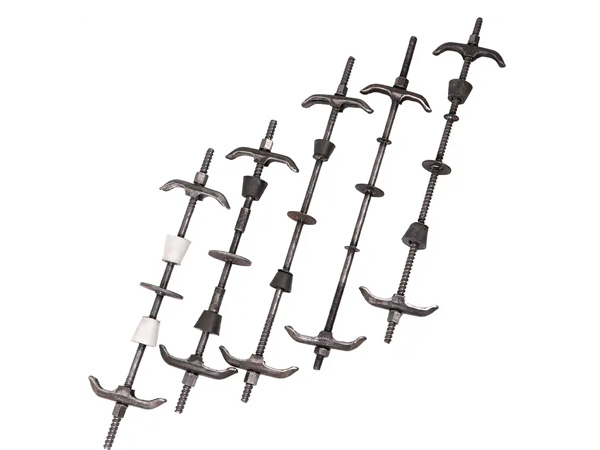
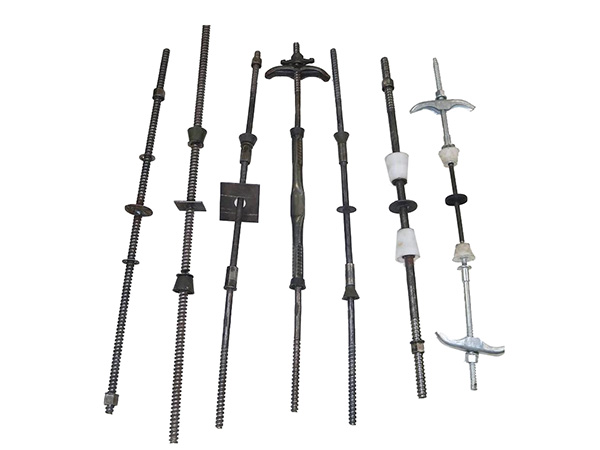
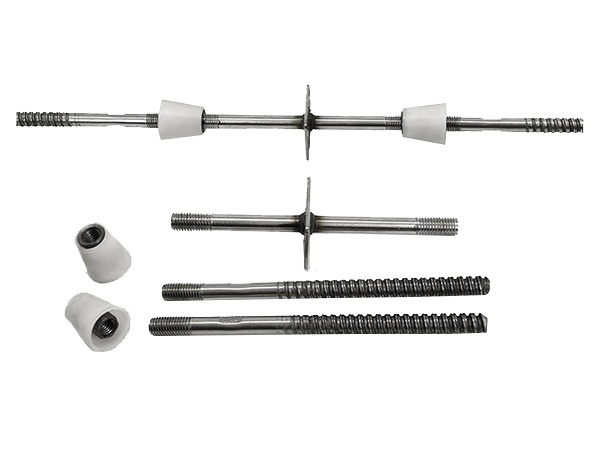
Wall-Tie Bolts and Anchor Systems in Construction
Author:yicheng Date:2026-07-29 15:28:45 Hits:173
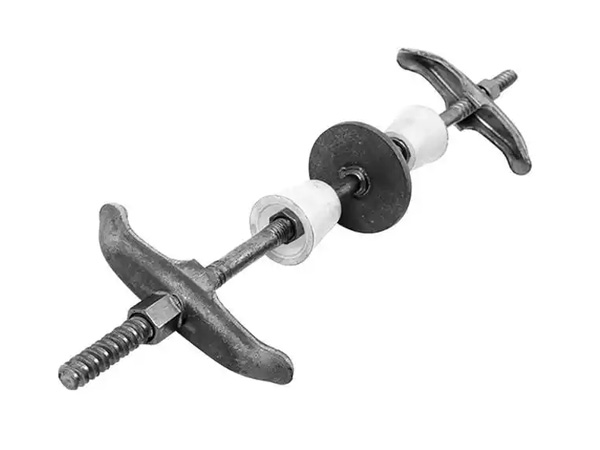
Understanding Wall-Tie Bolts in Modern Construction
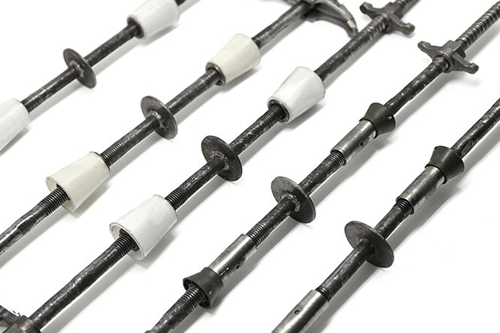
Wall-tie bolts are among the most overlooked yet essential components in today's construction industry. These small steel fasteners bridge the gap between inner and outer walls, ensuring structural integrity across a wide range of building types. Whether you are working on a residential extension or a commercial high-rise, wall-tie bolts distribute loads evenly and resist lateral forces that could otherwise compromise a structure over time. A dependable wall-tie bolt from a qualified factory can make the difference between a building that stands for decades and one that develops cracks and instability within a few seasons.
The basic principle behind a wall-tie bolt is straightforward: two walls need to behave as one. In cavity wall construction, for instance, the outer leaf must be tied back to the inner leaf to prevent it from separating under wind pressure or thermal movement. The wall-tie bolt achieves this by spanning the cavity while remaining flexible enough to accommodate minor shifts without transferring harmful stress to the masonry. Manufacturers often produce these bolts from galvanised steel or stainless steel to resist corrosion, particularly in coastal or high-moisture environments where rust could weaken the connection.
The Role of Wall-Tie Anchors in Structural Stability
A wall-tie anchor takes the concept of the bolt a step further by providing a broader anchoring surface that grips the wall material more effectively. Where a standard bolt might rely on a single point of contact, a wall-tie anchor distributes its holding force across a wider area, reducing the risk of pull-out in softer substrates like aerated concrete or lightweight blockwork. This makes anchor systems particularly valuable in renovation projects where the existing structure may not be uniformly strong.
Wall-tie anchors are frequently used in conjunction with wall-tie bolts to create a layered approach to structural connection. The anchor itself is embedded into the substrate, and the bolt passes through it, creating a secure, interlocking assembly. For contractors and engineers, this combination offers both flexibility in installation and confidence in long-term performance. A reputable wall anchor manufacturer will typically offer a range of anchor types suited to different substrate densities and load requirements, ensuring that every project has an appropriate solution at hand.
Choosing the Right Anchor System for Your Project
Selecting an anchor system construction strategy is not a one-size-fits-all decision. Engineers must consider factors such as wall thickness, cavity width, anticipated load, exposure conditions, and the type of masonry being used. A narrow cavity wall might call for a slim-profile wall-tie bolt that minimises thermal bridging, while a heavy commercial facade may demand a larger, high-capacity anchor with additional anti-corrosion treatment.
Material compatibility also plays a critical role. When a wall-tie bolt or anchor is installed in a wall containing dissimilar metals, electrolytic corrosion can occur over time. This is why many wall anchor manufacturers recommend matching the metal composition of all fixings within a single assembly, or specifying stainless steel components in environments where moisture and salt are present. Taking these precautions during the design phase prevents costly remedial work down the line and ensures the building envelope remains structurally sound throughout its service life.
Why Working with a Trusted Tie Bolt Supplier Matters
Not all wall-tie bolts and anchors are created equal, and the source of these components matters more than many people realise. A professional tie bolt supplier will provide products that conform to relevant industry standards, with consistent dimensions, load ratings, and surface finishes. They will also offer technical guidance to help you select the correct product for your specific application, reducing the risk of installation errors and field failures.
Factories that specialise in the production of wall-tie anchor and bolt systems typically invest in quality control processes that smaller suppliers cannot match. From raw material inspection to final load testing, every stage of manufacture is monitored to ensure compliance with established engineering specifications. When you source your construction wall tie components from a reliable manufacturer, you gain the assurance that each piece has been designed, tested, and verified to perform under real-world conditions.
Applications Across Residential and Commercial Construction
The versatility of wall-tie bolt and anchor systems means they appear in a surprisingly wide variety of construction scenarios. In traditional cavity wall housing, they tie external brick or block leaves to internal structural walls. In commercial developments, they anchor curtain wall systems, stone facades, and cladding panels to the primary structural frame. In renovation work, they secure new walls to existing structures, reinforce damaged sections, and provide additional stability to buildings undergoing change of use.
This breadth of application underscores the importance of having a dependable wall anchor manufacturer in your supply chain. A single project might require several different types of wall-tie bolts and anchors, each optimised for a different structural role. Working with a supplier who can provide a complete range from a single factory simplifies procurement, ensures material consistency, and often results in better pricing and faster delivery schedules.
References
1. McCormac, J.C. and Csernak, S.F. (2012). Structural Steel Design. 5th edn. Upper Saddle River, NJ: Pearson Education.
2. Hendry, A.W., Sinha, B.P. and Davies, S.R. (2004). Design of Masonry Structures. 2nd edn. London: Spon Press.
3. Narayanan, R. and Beal, A.N. (2002). Guide to Connection Design in Steel Structures. Ascot: The Steel Construction Institute.
Join Our Global Distributor Network

Contact Us
Tel:+86-15831733891
E-mail:yichengbuildingmaterials@gmail.com
Add:100 meters south of Weicun Village, Hechengjie Town, Xian County, Cangzhou City, Hebei Province
Url:https://www.yc-buildingmaterials.com