







- Site Navigation -
NEWS LIST
A Complete Guide to Wall-Tie Bolt Material Grades
Author:yicheng Date:2025-12-26 09:10:44 Hits:125
Understanding Wall-Tie Bolt Material Grades
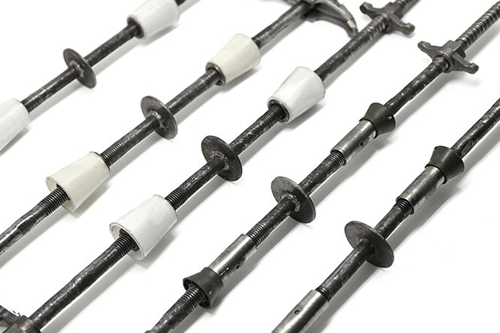
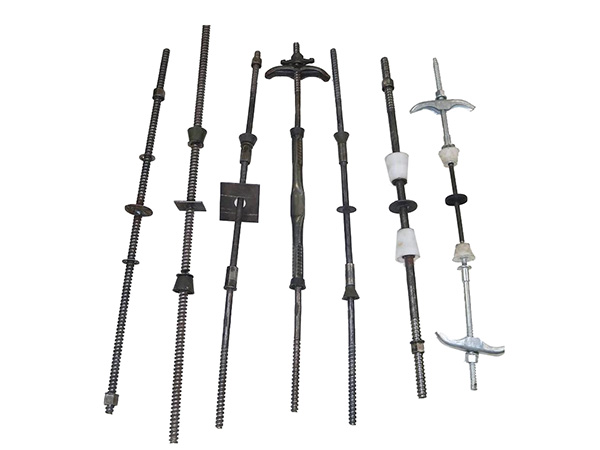
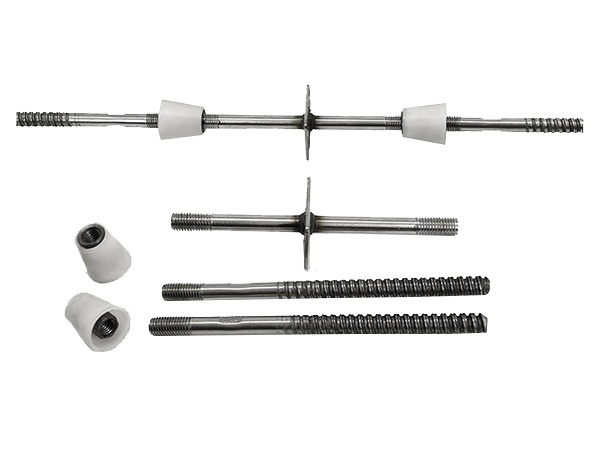
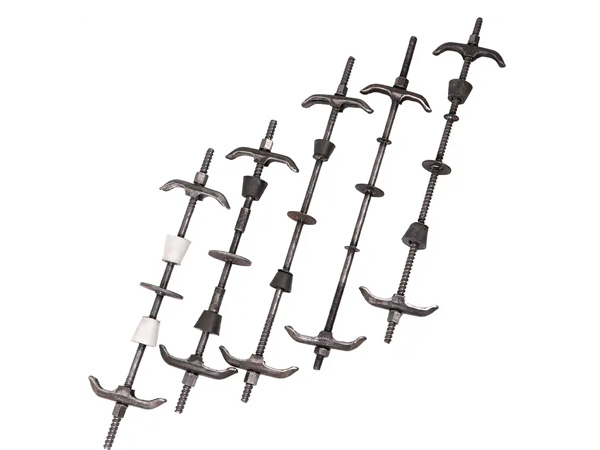
A Wall-Tie Bolt is a critical fastening component widely used in concrete formwork, masonry connections, and structural reinforcement systems. While dimensions and design are important, material grade selection plays an equally vital role in determining load capacity, durability, and safety.
For beginners and professionals alike, understanding Wall-Tie Bolt material grades helps ensure correct application under different working conditions. From temporary formwork systems to permanent structural connections, the performance of a Wall-Tie Bolt largely depends on its mechanical properties and surface treatment.
Modern manufacturers rely on standardized production processes to supply Wall-Tie Bolts in large quantities while maintaining consistent material quality for global construction markets.
What Is a Wall-Tie Bolt?
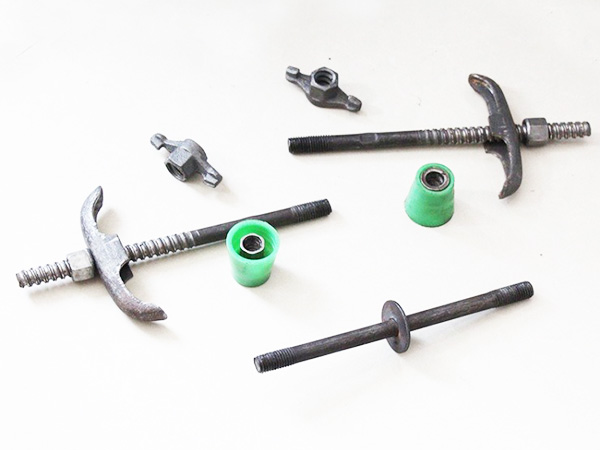
A Wall-Tie Bolt is a threaded steel rod used to secure opposing formwork panels or structural elements together during concrete pouring or structural alignment. It resists tensile forces generated by fresh concrete pressure or external loads.
Wall-Tie Bolts are typically used in:
·Concrete wall formwork systems
·Retaining walls and foundations
·Infrastructure and civil engineering projects
The bolt’s material grade determines its strength, ductility, and resistance to corrosion.
Why Material Grades Matter for Wall-Tie Bolts
Material grade defines the mechanical characteristics of a Wall-Tie Bolt, including:
·Tensile strength
·Yield strength
·Elongation and ductility
·Fatigue resistance
Using an incorrect grade may lead to premature failure, deformation, or safety risks during construction. Therefore, proper grade selection is essential for structural reliability and compliance with engineering standards.
Common Wall-Tie Bolt Material Grades
Low Carbon Steel Grades
Low carbon steel is commonly used for standard Wall-Tie Bolts in temporary formwork systems. These grades offer good ductility and ease of machining.
Typical features:
·Moderate tensile strength
·Good elongation
·Suitable for reusable applications
Medium Carbon Steel Grades
Medium carbon steel Wall-Tie Bolts provide higher strength while maintaining acceptable ductility.
Applications include:
·Higher concrete pressure systems
·Large wall sections
·Projects requiring improved load resistance
Alloy Steel Grades
Alloy steel grades incorporate elements such as chromium or molybdenum to enhance mechanical performance.
Advantages:
·Higher tensile strength
·Better fatigue resistance
·Suitable for demanding load conditions
Stainless Steel Grades
Stainless steel Wall-Tie Bolts are selected for corrosive or aggressive environments.
Key benefits:
·Excellent corrosion resistance
·Long service life
·Used in coastal or chemical exposure environments
Mechanical Properties to Consider
When selecting a Wall-Tie Bolt material grade, engineers typically evaluate:
·Ultimate tensile strength: Determines maximum load capacity
·Yield strength: Indicates deformation threshold
·Elongation: Reflects ductility and failure behavior
·Surface treatment compatibility: Ensures coating adhesion
Material testing during production ensures each batch meets required specifications.
Surface Treatments and Their Influence
Surface treatments significantly affect Wall-Tie Bolt performance:
·Black oxide: Basic protection for indoor use
·Electro-galvanizing: Improved corrosion resistance
·Hot-dip galvanizing: Suitable for harsh environments
Manufacturers integrate surface treatment into their production lines to maintain consistent quality across bulk supply orders.
Applications Based on Material Grade
Different projects require different Wall-Tie Bolt grades:
·Residential formwork: low to medium carbon steel
·Commercial and infrastructure projects: medium carbon or alloy steel
·Marine or chemical environments: stainless steel
Selecting the correct grade ensures safety, efficiency, and cost control.
The Role of Manufacturer Production Capability
A professional manufacturer with standardized production systems ensures Wall-Tie Bolts meet mechanical and dimensional tolerances. Controlled production enables:
·Stable material sourcing
·Batch consistency
·Reliable bulk supply for large projects
Production traceability also supports compliance with international construction standards.
Conclusion: Choosing the Right Wall-Tie Bolt Material Grade
Selecting the correct Wall-Tie Bolt material grade is essential for structural safety and project efficiency. From carbon steel to stainless steel, each grade serves specific load and environmental requirements.
By working with a manufacturer capable of consistent production and bulk supply, construction professionals can ensure Wall-Tie Bolts deliver reliable performance across diverse applications. As construction standards evolve, proper material selection will remain a cornerstone of safe and efficient building systems.
References
GB/T 7714:Link R E. An introduction to the design and behavior of bolted joints[J]. Journal of Testing and Evaluation, 1991, 19(5): 417-418.
MLA:Link, R. E. "An introduction to the design and behavior of bolted joints." Journal of Testing and Evaluation 19.5 (1991): 417-418.
APA:Link, R. E. (1991). An introduction to the design and behavior of bolted joints. Journal of Testing and Evaluation, 19(5), 417-418.

Contact Us
Tel:+86-15831733891
E-mail:yichengbuildingmaterials@gmail.com
Add:100 meters south of Weicun Village, Hechengjie Town, Xian County, Cangzhou City, Hebei Province
Url:https://www.yc-buildingmaterials.com