







- Site Navigation -
NEWS LIST
Global Trends in Construction Couplers-China Manufacturers
Author:yicheng Date:2025-11-07 17:56:53 Hits:104
Setting the Standard for Safety
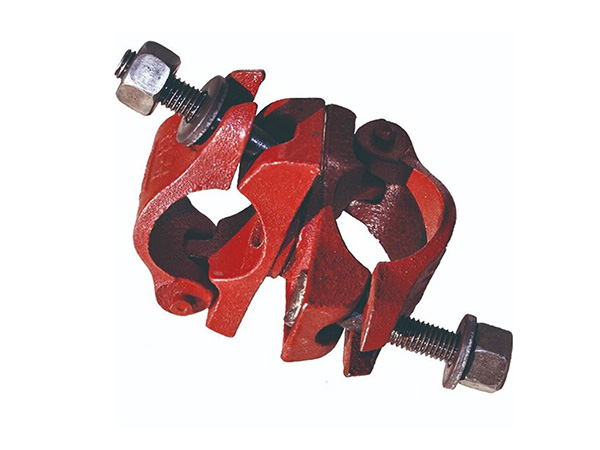
In the modern construction industry, couplers play an essential role in reinforcing concrete structures by joining steel bars with precision and strength. They eliminate the need for lap splices, reduce material waste, and enhance load transfer efficiency.
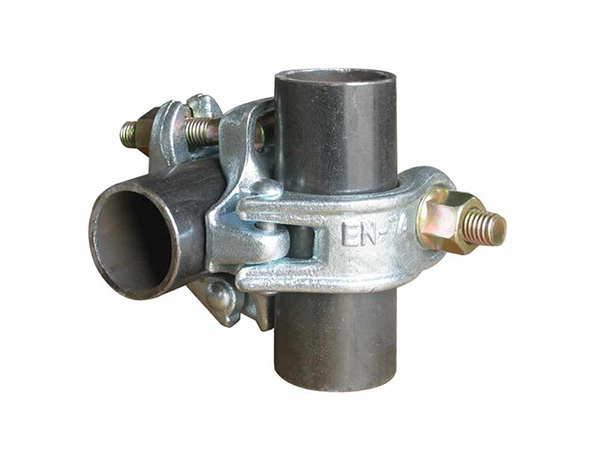
However, the true reliability of a coupler lies not only in its design but in its compliance with international standards and certified testing protocols. For contractors, engineers, and procurement teams—especially those sourcing from a Chinese manufacturer with bulk production capacity—understanding these certification systems ensures quality, safety, and long-term performance in every project.
1. Why International Standards Are Critical
Without proper standards, couplers could fail under stress or seismic loading, leading to costly and unsafe construction outcomes. International specifications such as ISO, ACI, and BS/EN provide a unified quality framework.
They set limits for tensile strength, deformation, fatigue, and even corrosion resistance. Adherence to these norms helps ensure that couplers from different suppliers—whether from Asia, Europe, or the Middle East—can perform consistently in demanding structural conditions.
For example:
·ISO 15835-1 & 2: Defines design criteria and testing requirements for mechanical splices.
·ACI 318 / ACI 349: Used globally for code compliance in reinforced concrete structures.
·BS EN 1992 (Eurocode 2): Details performance expectations for couplers in Europe.
Each standard specifies the same goal: uniform strength, predictable performance, and global reliability.
2. Mechanical Testing and Certification Basics
Before a coupler can carry an international certification, it must pass rigorous laboratory testing that simulates real-world stress conditions. Common quality assessments include:
·Tensile and Slip Tests: Confirm that the joint maintains full rebar strength without significant elongation.
·Cyclic or Fatigue Tests: Evaluate how couplers perform under repeated stress, essential for bridges, tunnels, and earthquake-prone regions.
·Thread and Dimensional Accuracy Tests: Ensure proper alignment and torque resistance, preventing joint failures.
·Corrosion Resistance Testing: Simulates harsh site environments, verifying durability against moisture and chloride exposure.
A certified coupler should demonstrate at least the same tensile capacity as the connected rebar. Every batch produced by a qualified Chinese coupler supplier undergoes these standardized inspections before being released for export.
3. Certification Bodies and Global Compliance
Coupler certification is often verified by accredited organizations such as ISO, ASTM, BS, CE, or national testing institutes. Each certified unit should carry documentation like a Mill Test Certificate (MTC) and Performance Verification Report issued by an approved laboratory.
Reliable Chinese manufacturers typically maintain:
·ISO 9001 quality management certification for traceability and process control.
·CE or UKCA conformity documents for export markets.
·Internal QC logs and heat-treatment records for each coupler batch.
These certifications not only ensure mechanical integrity but also enhance acceptance by international contractors and engineers.
4. Importance of Material Traceability
A critical aspect of coupler certification is traceability—the ability to track every component back to its origin. Certified factories use barcode tracking or digital QR systems that store data on raw material lots, heat treatment, threading accuracy, and inspection results.
Such transparency helps construction teams verify compliance instantly, preventing counterfeit components from entering the project supply chain. Many China suppliers now integrate traceability within ERP and digital production systems to meet growing global expectations for accountability.
5. Regional Requirements and Adaptations
Different regions emphasize different performance criteria:
·Asia-Pacific: Rapid urbanization demands couplers that can handle dense reinforcement and tight construction timelines.
·Europe: Prioritizes sustainable manufacturing and low-carbon material compliance.
·Middle East: Focuses on corrosion resistance due to aggressive environments.
·North America: Implements strict seismic and fatigue test requirements.
For global contractors, sourcing from a Chinese bulk manufacturer capable of adapting to these regional specifications ensures smooth certification approval across markets.
6. Emerging Trends in Coupler Quality and Sustainability
The next generation of coupler production focuses on digital quality assurance and eco-friendly materials. Smart factories in China now apply AI-based inspection to detect threading defects, while advanced metallurgy techniques reduce carbon emissions during forging.
Manufacturers are also experimenting with recyclable alloy steels and surface coatings to extend service life in marine and high-humidity conditions.
These innovations align with LEED and green building certifications, making certified couplers not just safe—but also sustainable.
7. Choosing the Right Certified Coupler Supplier
When selecting a coupler supplier, check:
·Whether they follow ISO 15835 testing for every batch.
·If their factory holds ISO 9001 / CE certification.
·Whether they can supply full test documentation and inspection photos.
·If bulk orders come with third-party verification reports (from SGS, TUV, etc.).
A transparent supplier offers complete technical data sheets, mechanical test records, and product traceability—all key signs of a genuine China-based manufacturer rather than a trading intermediary.
Conclusion — Quality That Connects the World
International standards and certifications are more than formalities—they represent trust, safety, and global compatibility. For today’s construction projects, choosing a certified coupler is choosing consistency, reliability, and long-term performance.
By partnering with a Chinese manufacturer that provides bulk-supply, ISO-approved couplers, builders gain not only cost efficiency but also assurance that every connection meets global expectations for strength, safety, and sustainability.
Couplers built on certification standards don’t just connect steel—they connect confidence across the construction world.
References
GB/T 7714:Chiari V G, Moreno Junior A L. Experimental evaluation of coupler behavior for mechanical rebar splices in reinforced concrete structures[J]. Revista IBRACON de Estruturas e Materiais, 2018, 11: 1326-1353.
MLA:Chiari, V. G., and A. L. Moreno Junior. "Experimental evaluation of coupler behavior for mechanical rebar splices in reinforced concrete structures." Revista IBRACON de Estruturas e Materiais 11 (2018): 1326-1353.
APA:Chiari, V. G., & Moreno Junior, A. L. (2018). Experimental evaluation of coupler behavior for mechanical rebar splices in reinforced concrete structures. Revista IBRACON de Estruturas e Materiais, 11, 1326-1353.

Contact Us
Tel:+86-15831733891
E-mail:yichengbuildingmaterials@gmail.com
Add:100 meters south of Weicun Village, Hechengjie Town, Xian County, Cangzhou City, Hebei Province
Url:https://www.yc-buildingmaterials.com