







- Site Navigation -
NEWS LIST
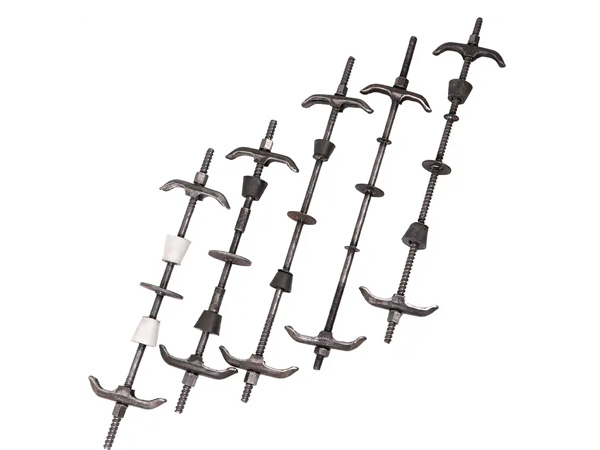
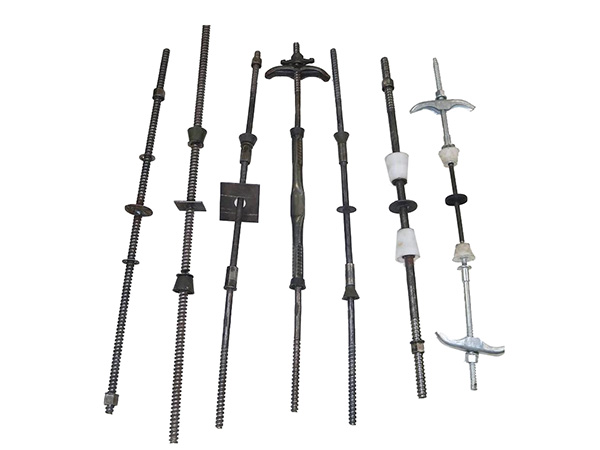
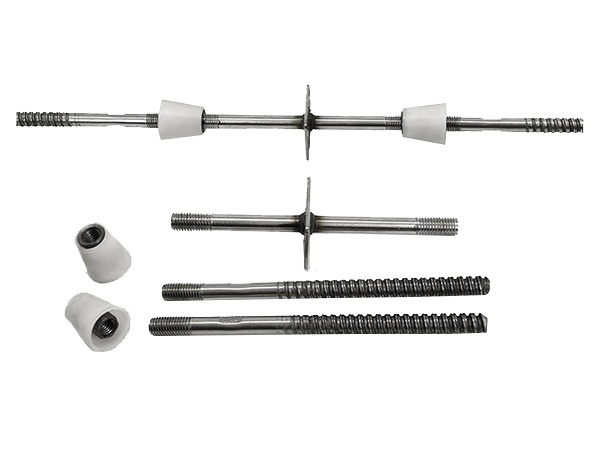
Global Trends in Coupler Applications for Modern Construction Projects
Author:yicheng Date:2025-11-05 17:45:41 Hits:165
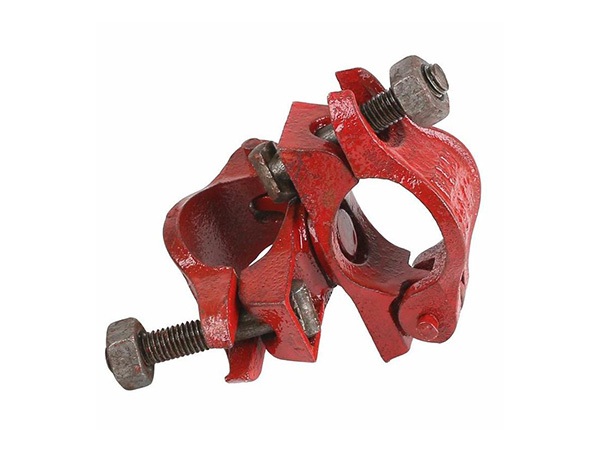
In the evolving world of global infrastructure, couplers have become a cornerstone of modern reinforcement technology. These compact yet powerful devices enable strong, efficient connections between rebar segments—ensuring both safety and productivity in complex structures.
As international construction standards continue to rise, contractors and engineers increasingly depend on mechanical couplers rather than traditional lap splicing. This shift reflects a broader trend toward energy-efficient, modular, and eco-conscious building methods.
From our experience as a China-based coupler manufacturer and bulk supplier, several clear global patterns have emerged that define the next generation of construction practices.
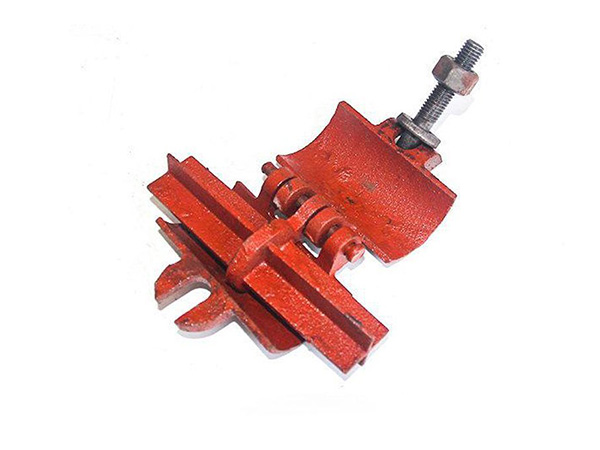
1. Rising Preference for High-Strength Mechanical Couplers
The global construction market has shifted rapidly toward high-tensile, mechanically spliced couplers that can handle higher loads while minimizing rebar congestion.
Countries such as Japan, the UAE, and the United States have updated their regulations to require ISO 15835-compliant or ACI 318-certified mechanical splices in most major projects.
These developments are driven by the demand for durability, precision, and faster assembly. Chinese manufacturers, backed by large-scale automation, now provide mass-produced, precision-threaded couplers that align with these global quality expectations while maintaining cost efficiency.
2. Couplers in Prefabricated and Modular Construction
The rise of prefabricated construction systems has accelerated coupler adoption across international markets. Modular buildings and bridge segments rely on rebar connections that can be quickly joined on-site without complex welding or overlapping.
Threaded couplers—especially parallel-thread and taper-thread variants—are ideal for factory prefabrication, offering repeatable accuracy and rapid field assembly.
With extensive CNC threading technology, Chinese coupler suppliers have become essential partners for modular infrastructure developers, providing ready-to-install solutions that meet exacting tolerances.
3. Environmental Sustainability and Resource Optimization
Sustainability has become a central theme in engineering design. By replacing long lap joints with compact mechanical couplers, builders reduce both rebar waste and carbon emissions associated with steel production.
New generations of couplers use recyclable low-carbon steel and corrosion-resistant coatings to extend service life while minimizing environmental impact.
As an established Chinese manufacturer, our production lines integrate eco-friendly processes—from induction heating to waste reduction—to ensure sustainable mass production that supports global green-building goals.
4. Global Standardization and Compliance
The internationalization of construction standards is another key trend. Project owners and engineering consultants now demand couplers that conform to recognized technical benchmarks such as:
·ISO 15835 – Mechanical splicing for reinforcing bars
·BS 8110 / EN 1992-1-1 (Eurocode 2) – Structural design of concrete
·ACI 349 – Code requirements for seismic and nuclear facilities
Manufacturers in China have rapidly aligned with these expectations, adopting advanced tensile testing, dimensional control, and batch traceability systems to ensure every coupler meets or exceeds design specifications.
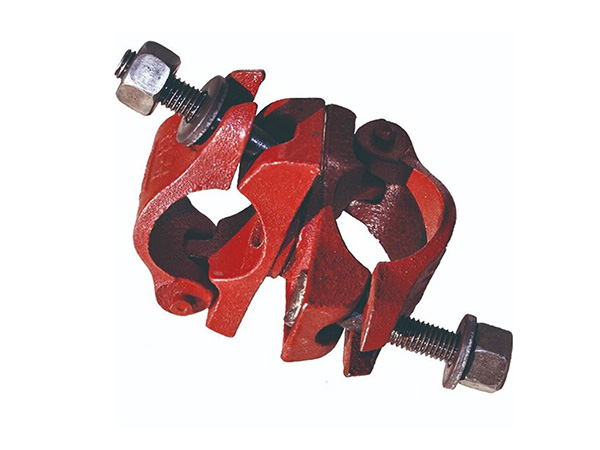
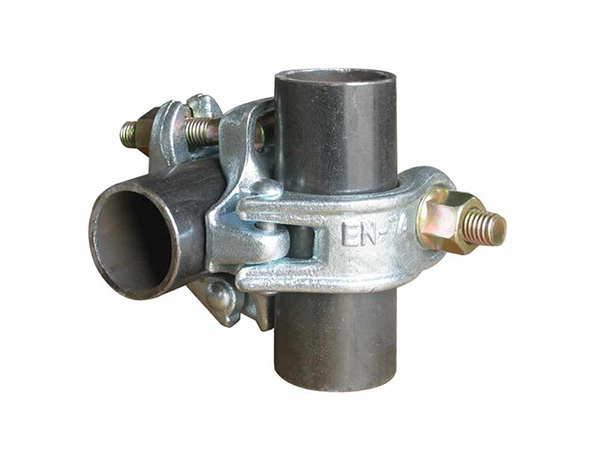
5. Regional Market Insights
Each region demonstrates its own pattern of coupler adoption:
·Asia-Pacific: Driven by high-rise urbanization and massive public infrastructure projects.
·Europe: Focused on sustainability, energy efficiency, and modularity.
·Middle East: Prioritizes heavy-duty, corrosion-resistant systems for mega projects.
·North America: Expanding in seismic applications and transportation infrastructure.
The globalization of construction supply chains has positioned Chinese bulk suppliers as critical partners, capable of producing consistent, standardized couplers at scale for diverse climate and design conditions.
6. Technological Progress in Manufacturing
The coupler industry has undergone a digital transformation. Smart CNC machining, robotic threading, and automated inspection now dominate large-scale production facilities.
These innovations improve accuracy, eliminate thread defects, and enhance tensile reliability.
Leading manufacturers in China have implemented AI-driven quality control systems and traceability codes to monitor every stage of production. This digital workflow ensures dependable coupler performance across thousands of units shipped worldwide.
7. Integration with Smart Construction Systems
The future of coupler technology lies in the fusion of digital modeling and real-time construction data. Through BIM (Building Information Modeling) integration, engineers can virtually plan and validate every rebar connection before fabrication.
Some advanced projects are also incorporating IoT-enabled tracking, allowing on-site teams to scan couplers for batch history and certification data.
This convergence of hardware and data streamlines logistics and compliance, helping global contractors achieve faster, smarter, and safer builds.
Conclusion
The role of couplers in international construction is expanding faster than ever before. From skyscrapers and highways to offshore structures, these small components now define how modern infrastructure is built—efficiently, sustainably, and safely.
As a reliable China-based coupler manufacturer and bulk supplier, we combine global standard compliance, advanced production technology, and sustainable materials to deliver coupler systems that meet international expectations.
In a construction world where time, precision, and environmental responsibility matter more than ever, our goal is clear:
to provide trusted, high-performance couplers that connect the world’s most ambitious projects—securely and efficiently.
References
GB/T 7714:Chiari V G, Moreno Junior A L. Experimental evaluation of coupler behavior for mechanical rebar splices in reinforced concrete structures[J]. Revista IBRACON de Estruturas e Materiais, 2018, 11: 1326-1353.
MLA:Chiari, V. G., and A. L. Moreno Junior. "Experimental evaluation of coupler behavior for mechanical rebar splices in reinforced concrete structures." Revista IBRACON de Estruturas e Materiais 11 (2018): 1326-1353.
APA:Chiari, V. G., & Moreno Junior, A. L. (2018). Experimental evaluation of coupler behavior for mechanical rebar splices in reinforced concrete structures. Revista IBRACON de Estruturas e Materiais, 11, 1326-1353.

Contact Us
Tel:+86-15831733891
E-mail:yichengbuildingmaterials@gmail.com
Add:100 meters south of Weicun Village, Hechengjie Town, Xian County, Cangzhou City, Hebei Province
Url:https://www.yc-buildingmaterials.com