







- Site Navigation -
NEWS LIST
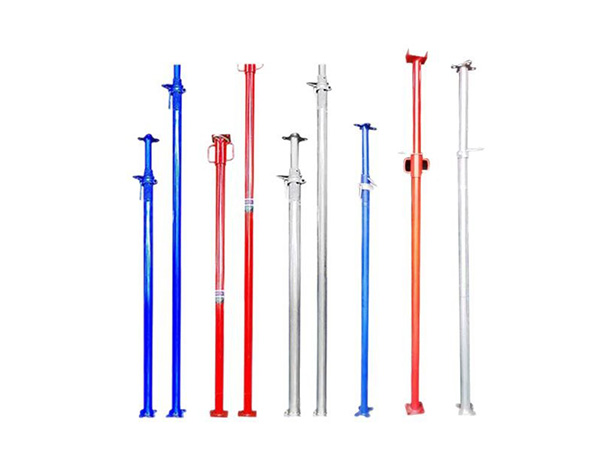
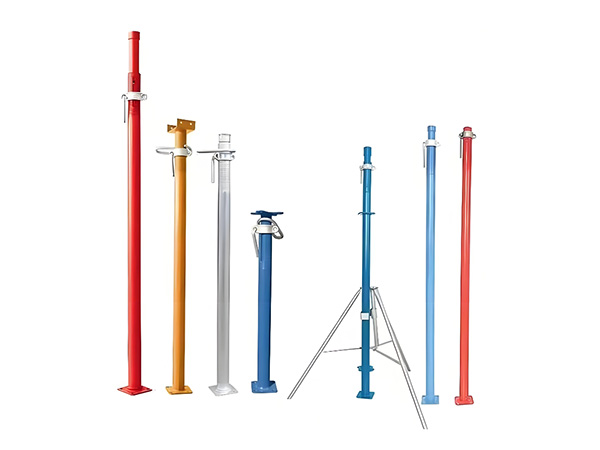
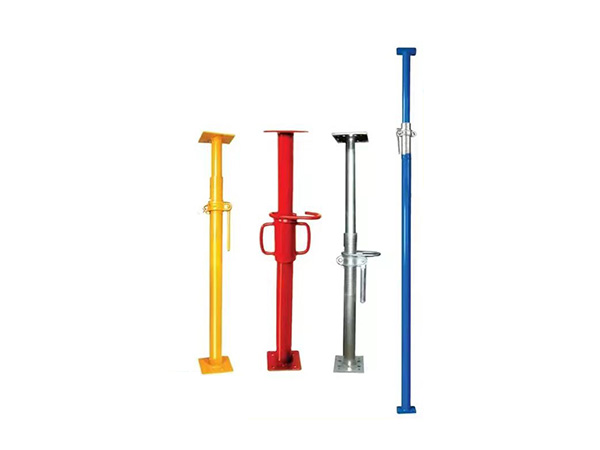
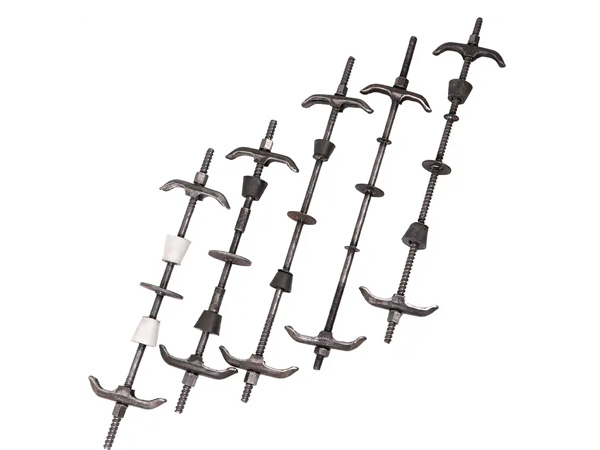
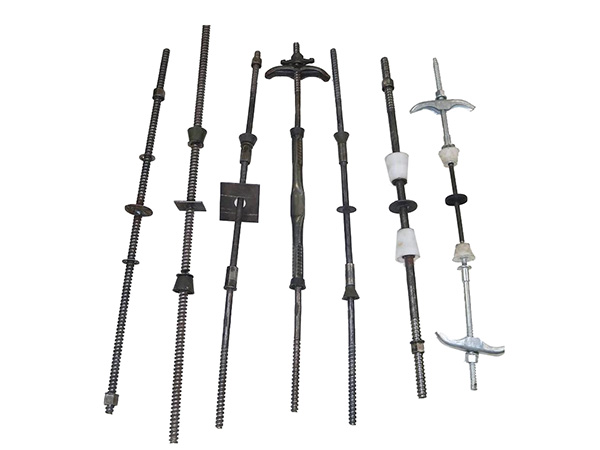
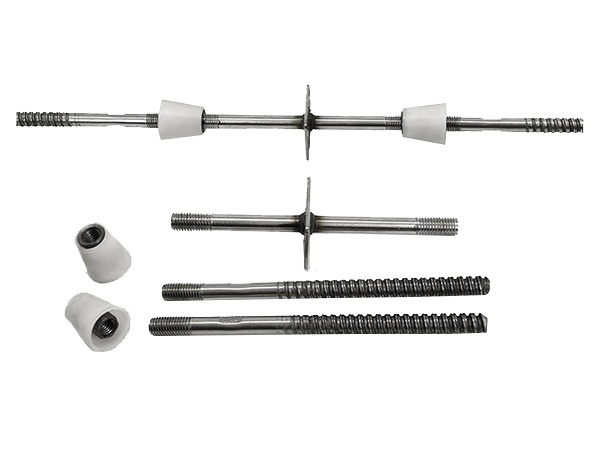
How Steel Support Improves Structural Stability in Buildings
Author:yicheng Date:2025-12-28 09:50:55 Hits:106
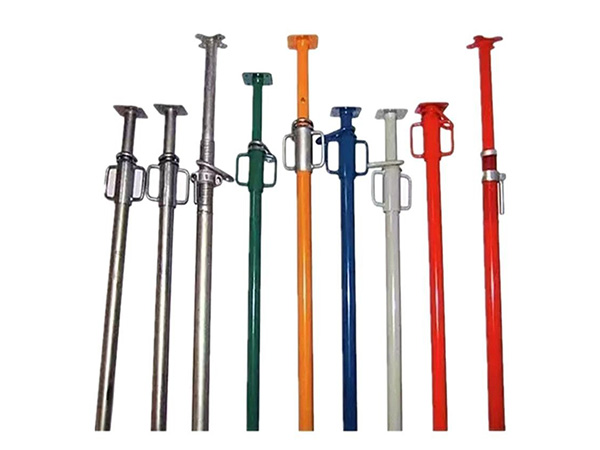
In modern construction, Steel Support plays a crucial role in ensuring structural stability, safety, and long-term performance. As buildings grow taller and architectural designs become more complex, traditional load-bearing methods alone are often insufficient. Steel support systems provide the strength and flexibility needed to manage dynamic loads, environmental stress, and material fatigue over time.
Beyond engineering design, the effectiveness of steel support is also influenced by how it is manufactured and supplied. Stable production processes, material consistency, and bulk supply capability from experienced manufacturers contribute directly to the reliability of structural systems. Understanding how steel support functions—and why it is so widely used—helps builders and engineers make more informed decisions.
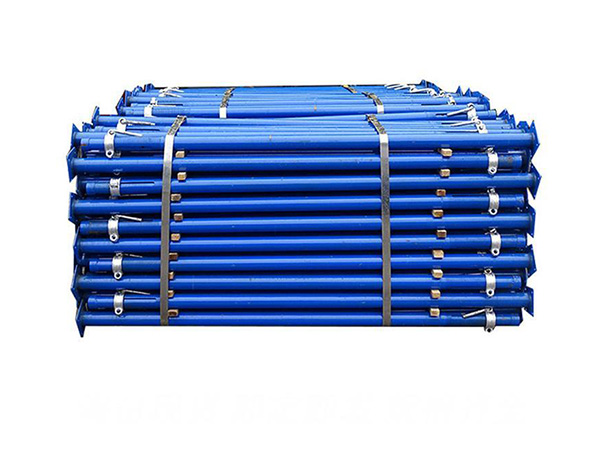
1. The Role of Steel Support in Load Distribution
One of the primary functions of steel support is efficient load transfer. In any building, loads must be distributed safely from floors and roofs down to the foundation. Steel elements excel at handling both vertical and horizontal forces without excessive deformation.
Unlike some materials that may crack or creep under sustained stress, steel maintains its structural integrity across long spans and heavy loads. This allows designers to create open interior spaces while still ensuring stability. Steel support systems help prevent uneven settlement and reduce stress concentrations that could compromise the structure.
2. Strength-to-Weight Advantage
Steel offers an exceptional strength-to-weight ratio, making it ideal for structural support. Compared to heavier materials, steel can provide equivalent or greater load-bearing capacity with less mass.
This advantage translates into:
·Reduced foundation loads
·Easier transportation and handling
·Faster on-site installation
From a production perspective, manufacturers can optimize steel profiles for specific structural requirements, ensuring that each support element performs efficiently without unnecessary material usage.
3. Resistance to Environmental Stress
Buildings are constantly exposed to environmental forces such as wind, temperature fluctuations, and seismic activity. Steel support systems are particularly effective in managing these stresses.
Steel’s elastic properties allow it to absorb and dissipate energy rather than failing suddenly. In seismic regions, steel-supported structures can flex and return to shape, significantly reducing the risk of collapse. This resilience is a key reason steel support remains a preferred solution in safety-critical applications.
4. Long-Term Stability and Durability
Structural stability is not only about initial strength—it is about performance over decades. Steel support systems are designed to maintain their properties over long service lives when properly manufactured and protected.
Advances in surface treatment, coating technologies, and controlled production processes help steel components resist corrosion and fatigue. Reliable manufacturers focus on consistent production standards to ensure uniform performance across large volumes, which is especially important for projects requiring bulk supply.
5. Design Flexibility and Structural Integration
Steel support allows architects and engineers greater design freedom. Its adaptability makes it possible to integrate structural support into complex building layouts without compromising stability.
Steel components can be:
·Prefabricated for accuracy
·Customized for unique load paths
·Easily integrated with concrete or composite systems
This flexibility simplifies coordination between design and construction, reducing errors and improving overall structural performance.
6. Precision Manufacturing and Quality Control
The performance of steel support systems depends heavily on manufacturing precision. Tight tolerances, consistent material quality, and standardized production processes ensure that each component behaves as expected once installed.
Experienced manufacturers invest in:
·Controlled production lines
·Dimensional accuracy verification
·Batch traceability
Such practices are essential when supplying steel support components at scale. Consistent quality across bulk supply orders reduces installation issues and ensures predictable structural behavior.
7. Installation Efficiency and Structural Accuracy
Steel support systems are typically easier and faster to install compared to many alternative materials. Prefabricated components reduce on-site adjustments, minimizing construction delays and labor costs.
Accurate production improves alignment during installation, which directly affects structural stability. Poorly aligned support elements can introduce unintended stresses, whereas precision-made steel components help maintain the integrity of the overall structure.
8. Sustainability and Material Efficiency
Steel is highly recyclable, making steel support systems a sustainable choice for modern construction. Material efficiency during production and the ability to reuse or recycle steel at the end of a building’s life contribute to reduced environmental impact.
Manufacturers that optimize production planning and minimize waste further enhance the sustainability profile of steel support solutions without sacrificing structural performance.
Conclusion
Steel Support is a foundational element in achieving structural stability in modern buildings. Its ability to distribute loads efficiently, resist environmental stress, and maintain long-term durability makes it indispensable in contemporary construction.
Beyond material properties, the reliability of steel support systems depends on manufacturing quality, controlled production processes, and the ability to deliver consistent bulk supply. When sourced from capable manufacturers, steel support provides not only strength, but also confidence in the structural integrity of the entire building.
For projects where safety, durability, and performance matter, steel support remains one of the most effective and trusted structural solutions available.
References
GB/T 7714:Chen W F, Lui E M. Handbook of structural engineering[M]. CRC press, 2005.
MLA:Chen, Wai-Fah, and Eric M. Lui. Handbook of structural engineering. CRC press, 2005.
APA:Chen, W. F., & Lui, E. M. (2005). Handbook of structural engineering. CRC press.

Contact Us
Tel:+86-15831733891
E-mail:yichengbuildingmaterials@gmail.com
Add:100 meters south of Weicun Village, Hechengjie Town, Xian County, Cangzhou City, Hebei Province
Url:https://www.yc-buildingmaterials.com