







- Site Navigation -
NEWS LIST
Main Components of an Adjustable Screw Jack Explained
Author:yicheng Date:2025-12-12 15:03:33 Hits:97
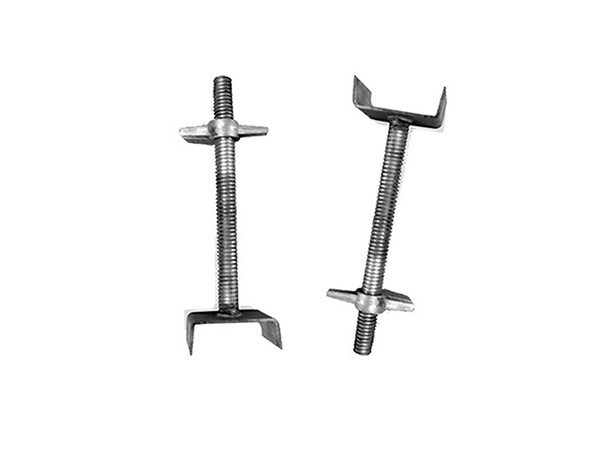
Main Components of an Adjustable Screw Jack Explained
An Adjustable Screw Jack is one of the most widely used mechanical lifting devices in industrial environments where stability, precision, and adjustable load control are crucial. Whether used in construction supports, machinery positioning, or equipment elevation, this tool offers a reliable solution for controlled lifting. Because many production operations require predictable force transfer and long-term durability, manufacturers continue to rely on adjustable screw jacks as essential equipment for safe and efficient workflows.
Understanding the main components inside an adjustable screw jack helps users optimize performance, identify maintenance needs, and choose the correct design for their operational environment. Below is a detailed breakdown of the key structural elements and how they function together.
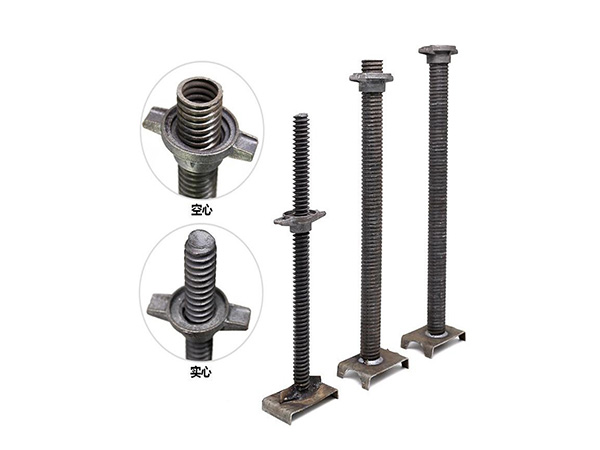
1. The Screw Shaft: Central to the Lifting Mechanism
The screw shaft is the core component of an Adjustable Screw Jack. It converts rotational input into precise vertical movement.
Key features include:
·Thread Design – Most systems use trapezoidal or square threads to handle high loads and reduce friction.
·Load Transmission – The shaft directly bears the applied load, making material strength critical.
·Travel Accuracy – The geometry of the threads determines how accurately the jack can position equipment.
Without a well-engineered screw shaft, the adjustable screw jack would lack the lifting precision it is known for.
2. The Housing or Jack Body: Structural Stability
The housing encloses the internal mechanism and ensures structural stability during lifting operations.
Functions of the Housing
·Holds bearings, worm gears, and the screw shaft in alignment
·Protects internal parts from dust, debris, and moisture
·Provides the support structure needed for industrial applications
Most housings are built from cast iron, steel, or high-strength alloys to withstand heavy loads and ensure long-term reliability.
3. Worm Gear or Drive Mechanism
In many Adjustable Screw Jack designs, the worm gear plays a crucial role in transferring torque to the screw.
Why the Worm Gear Matters
·Enables mechanical advantage
·Prevents back-driving under load
·Ensures smooth rotational movement
·Allows controlled lifting even with high load weights
This component is essential for industries that require precise and stable vertical motion without risk of sudden drops or slippage.
4. Bearings: Supporting Smooth Rotation
Bearings support the rotational movement inside the adjustable screw jack, decreasing friction and improving efficiency.
Common Types
·Thrust Bearings – Handle vertical forces created during lifting
·Radial Bearings – Support horizontal forces from rotational input
Proper bearing selection ensures smoother operation, reduced wear, and minimal heat generation during continuous use.
5. The Top Plate or Load Platform
The top plate (load platform) is the external component that directly contacts and supports the weight being lifted.
Its Key Functions
·Distributes load evenly across the screw
·Prevents concentrated stress points
·Maintains stability when adjusting height
The design may vary—flat plates, U-shaped brackets, swivel heads—but all serve the same purpose: stable load support during elevation.
6. Protective Covers and Dust Guards
Because many production environments involve dust or debris, adjustable screw jacks often include protective covers or bellows.
Benefits
·Prevent contaminants from entering the screw threads
·Reduce wear and extend component life
·Improve performance in harsh industrial settings
These covers are especially important when jacks are used outdoors or in high-movement areas.
7. The Base Plate: Ground Support and Load Distribution
The base plate stabilizes the entire jack by providing a secure mounting or resting point.
Design Advantages
·Enhances load distribution
·Prevents sinking or uneven pressure on the ground
·Increases overall safety during lifting operations
Proper installation of the base plate is essential for stable and secure lifting.
8. Input Shaft or Manual/Mechanical Drive Options
Depending on the application, the Adjustable Screw Jack can be operated manually or via mechanical drive.
Input and Drive Types
·Hand Crank – For light or moderate loads where precise manual adjustment is needed
·Electric Motor Connection – For heavy or repetitive production lifting
·Hydraulic/Pneumatic Coupling – When external force is required for automation
This versatility makes screw jacks suitable for industrial, construction, maintenance, and machinery alignment tasks.
Why Understanding These Components Matters
Knowing the internal components of an Adjustable Screw Jack helps operators:
·Choose the right model for load requirements
·Improve maintenance routines
·Extend service life
·Enhance production safety
·Optimize lifting efficiency
Because manufacturers engineer these components to handle high loads with minimal wear, selecting a well-designed system ensures stable performance even under continuous use.
Conclusion
The Adjustable Screw Jack remains a dependable and essential lifting tool across industrial and construction environments. Its main components—the screw shaft, worm gear, bearings, housing, top plate, covers, and base plate—work together to deliver stable lifting, precise height adjustment, and long-term durability. Thanks to scalable design and reliable mechanical structure, adjustable screw jacks continue supporting critical production operations where safety and precision matter most.
References
GB/T 7714:Ezurike B, Okwu M. Modified screw jack for lifting operation in industrial setting[J]. Int. J. Engr. & Techn, 2017, 13: 39-50.
MLA:Ezurike, Benjamin, and Modestus Okwu. "Modified screw jack for lifting operation in industrial setting." Int. J. Engr. & Techn 13 (2017): 39-50.
APA:Ezurike, B., & Okwu, M. (2017). Modified screw jack for lifting operation in industrial setting. Int. J. Engr. & Techn, 13, 39-50.

Contact Us
Tel:+86-15831733891
E-mail:yichengbuildingmaterials@gmail.com
Add:100 meters south of Weicun Village, Hechengjie Town, Xian County, Cangzhou City, Hebei Province
Url:https://www.yc-buildingmaterials.com