







- Site Navigation -
NEWS LIST
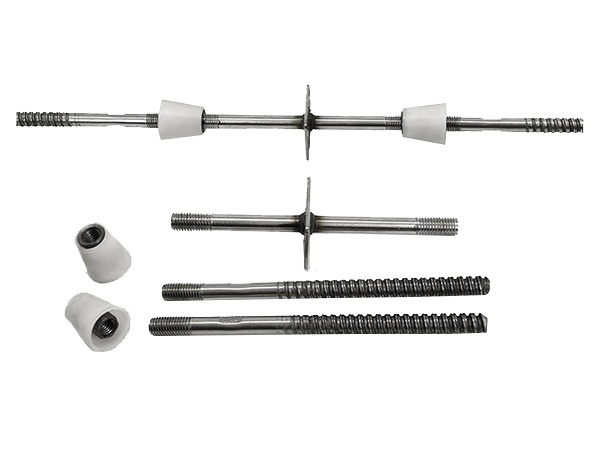
The Main Components of Modern Steel Support Systems
Author:yicheng Date:2025-12-14 16:31:23 Hits:144
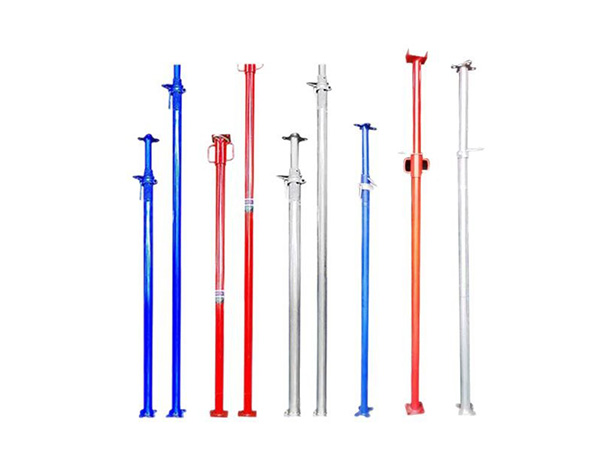
The Main Components of Modern Steel Support Systems
Modern Steel Support systems play a crucial role in construction, industrial reinforcement, equipment installation, and large-scale structural stabilization. Their stability, precision, and load-bearing capability make them essential wherever long-term structural reliability is required. Because many production environments demand predictable support performance, manufacturers continue to develop advanced steel support designs that combine strength, safety, and easy installation.
To better understand how these systems function, it’s important to examine the main components that make up a typical steel support assembly. Each component is engineered with specific mechanical and structural goals in mind.
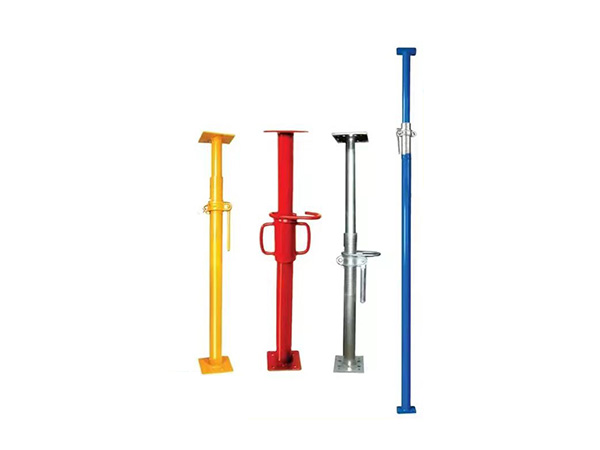
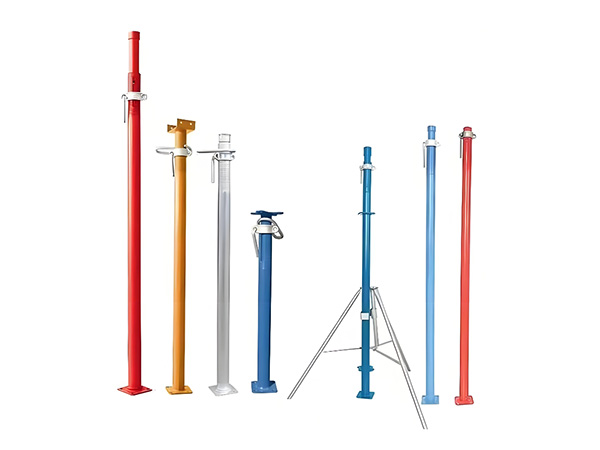
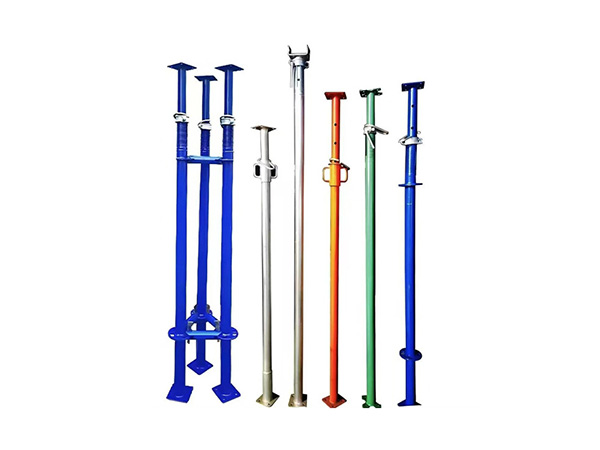
1. Steel Support Columns: The Primary Load-Bearing Element
The support column is the central structure responsible for carrying vertical loads. These columns are typically made from heavy-duty steel alloys that can withstand compression, vibration, and environmental changes.
Key Features
·High compressive strength
·Resistant to bending and deformation
·Long service lifespan even under continuous stress
·Designed to distribute load evenly across the structure
Columns may be round, square, or H-shaped depending on load demands and installation requirements.
2. Adjustable Base Plates: Foundation Stability
At the bottom of the Steel Support system lies the base plate, which ensures stable ground contact.
Functions of Base Plates
·Spread load evenly to prevent ground sinking
·Stabilize the entire support system
·Provide secure mounting for structural alignment
Some base plates include adjustment slots, allowing installers to correct surface unevenness during positioning.
3. Top Plates or Head Supports: Load Interface
The top plate is the component that connects the steel support to the structure above—such as beams, platforms, or heavy machinery.
Benefits and Functions
·Ensures stable contact with the supported structure
·Minimizes vibration transfer
·Allows for safe installation under load
Different plate designs accommodate different structural shapes and load patterns.
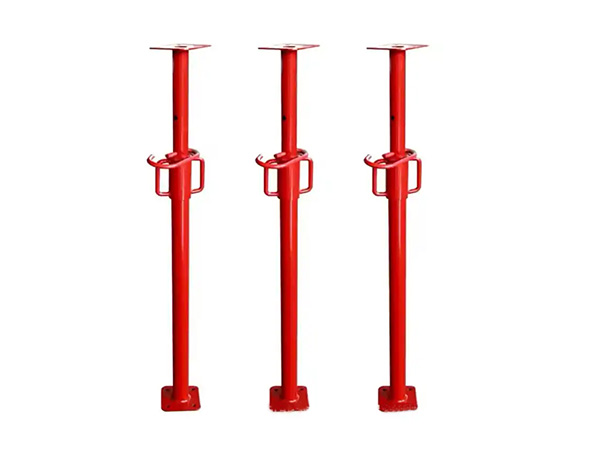
4. Connecting Bolts and Fastening Hardware
Fastening components ensure the structural integrity of the Steel Support system.
Typical Hardware Includes
·High-strength bolts
·Lock nuts
·Washers
·Reinforcement clamps
These fasteners maintain alignment and prevent loosening under load or vibration.
5. Adjustable Screw Mechanism: Fine-Tuning the Height
Many modern Steel Support systems include an adjustable screw mechanism to precisely control support height.
Advantages
·Easy fine-tuning in tight spaces
·Allows for millimeter-level height control
·Maintains structural alignment during installation
·Designed for repeated adjustment without compromising strength
This adjustability makes steel supports ideal for equipment installation, floor leveling, and multi-story construction.
6. Reinforcement Sleeves and Tubes
Reinforcement sleeves add additional rigidity and improve load distribution.
Purpose of Reinforcement Tubes
·Protect the inner support column
·Lower the risk of buckling under heavy loads
·Increase stability during lateral force exposure
These sleeves are particularly important in industrial or seismic-sensitive environments.
7. Anti-Slip Pads and Safety Protection Components
Safety is essential when using Steel Support systems. Many designs incorporate anti-slip pads or protective covers.
Functions
·Increase friction between the base/top plates and surfaces
·Prevent accidental shifting
·Protect metal surfaces from wear or scratching
Safety accessories significantly enhance overall operational stability.
8. Welding and Structural Connection Points
Steel Support components often include designated welding areas for permanent installation.
Benefits
·Creates long-lasting structural bonds
·Ensures high stability under horizontal or dynamic loads
·Ideal for production environments requiring permanent setups
Welding also adds resistance to environmental factors such as corrosion, moisture, and vibration.
Why These Components Matter in Modern Steel Support Design
When combined, these components create a robust structural system that offers:
·High load-bearing capacity
·Excellent stability under dynamic forces
·Adaptability for multiple installation conditions
·Long service life with minimal maintenance
·Reliability suitable for industrial production processes
Manufacturers optimize each component to ensure the overall system meets strict safety standards and performance expectations.
Conclusion
In summary, Steel Support systems rely on key components such as the support column, adjustable plates, reinforcing sleeves, fastening hardware, and precision adjustment mechanisms to deliver safe and stable support for modern construction and industrial environments. With strong structural engineering and reliable material choices, these systems continue to be essential tools in production operations that demand strength, precision, and long-term reliability.
References
GB/T 7714:Galambos T V, Surovek A E. Structural stability of steel: concepts and applications for structural engineers[J]. 2008.
MLA:Galambos, Theodore V., and Andrea E. Surovek. "Structural stability of steel: concepts and applications for structural engineers." (2008).
APA:Galambos, T. V., & Surovek, A. E. (2008). Structural stability of steel: concepts and applications for structural engineers.

Contact Us
Tel:+86-15831733891
E-mail:yichengbuildingmaterials@gmail.com
Add:100 meters south of Weicun Village, Hechengjie Town, Xian County, Cangzhou City, Hebei Province
Url:https://www.yc-buildingmaterials.com