







- Site Navigation -
NEWS LIST
The Manufacturing Process Behind High-Strength Couplers
Author:yicheng Date:2026-01-01 10:32:00 Hits:189
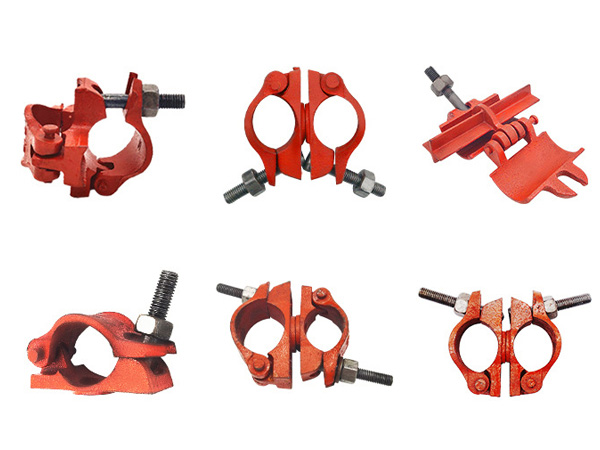
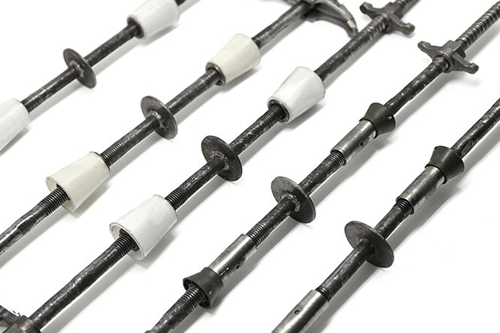
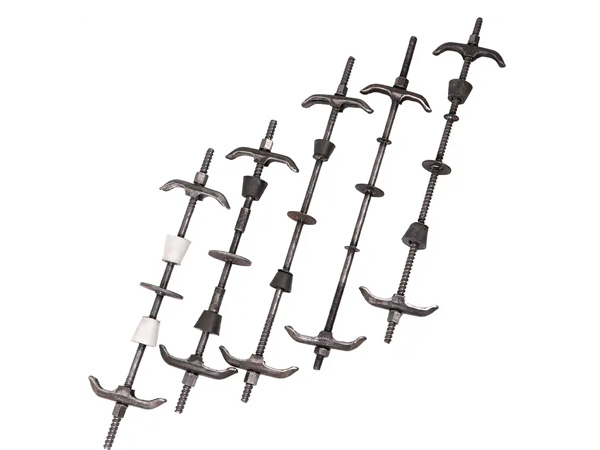
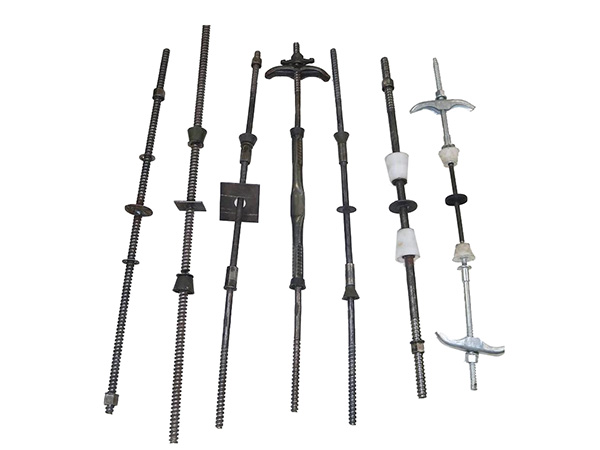
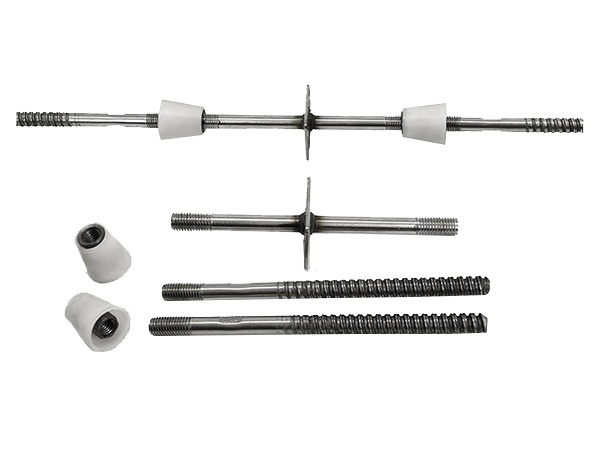
In industrial and construction applications, the Coupler plays a critical role in connecting structural elements and ensuring load continuity. Whether used in scaffolding systems, formwork, or other load-bearing assemblies, the performance of a coupler directly affects safety, stability, and overall structural reliability.
High-strength couplers are not defined by appearance alone. Their reliability depends on a carefully controlled manufacturing process that combines material selection, precision machining, and consistent production standards. For buyers working with manufacturers that support large-scale production and bulk supply, understanding how couplers are made provides valuable insight into long-term performance and quality assurance.
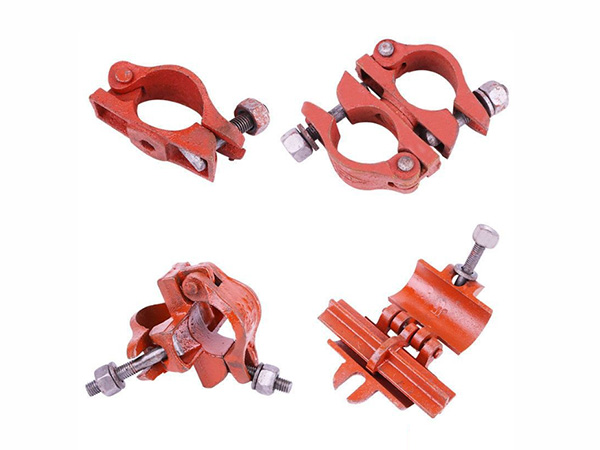
1. Material Selection as the Foundation of Coupler Strength
The manufacturing process of a high-strength coupler begins with material selection. Steel is commonly chosen due to its excellent balance of strength, toughness, and durability. However, not all steel grades perform the same under load.
Manufacturers evaluate material properties such as tensile strength, yield point, and fatigue resistance before production begins. Consistent material sourcing ensures that every coupler produced within a batch exhibits predictable mechanical behavior. This consistency is especially important when couplers are supplied in large volumes for industrial projects.
2. Precision Forming and Initial Shaping
Once the raw material is selected, it undergoes forming processes that define the basic shape of the coupler. Depending on design requirements, this may involve forging, casting, or controlled machining.
Forging is often preferred for high-strength couplers because it improves grain flow and enhances mechanical integrity. This process creates a denser internal structure capable of withstanding repeated load cycles. Precision at this stage ensures dimensional accuracy and reduces stress concentrations in the final product.
3. Machining and Thread Accuracy
Threading and contact surfaces are critical features in most coupler designs. Poorly machined threads can lead to slippage, uneven load transfer, or premature wear.
High-quality production relies on:
·Controlled machining tolerances
·Uniform thread profiles
·Smooth contact surfaces
Manufacturers with advanced production capabilities invest in precision equipment to maintain consistency across bulk supply orders. This ensures that each coupler performs reliably during installation and long-term use.
4. Heat Treatment for Enhanced Mechanical Performance
Heat treatment is a key step in achieving the desired strength and durability of a coupler. Processes such as quenching and tempering improve hardness while maintaining sufficient toughness to prevent brittle failure.
Carefully controlled heat treatment enhances:
·Load-bearing capacity
·Resistance to deformation
·Fatigue performance under repeated stress
Reliable manufacturers closely monitor temperature cycles and cooling rates to ensure uniform properties across all production batches.
5. Surface Treatment and Corrosion Protection
Couplers are often used in environments exposed to moisture, dust, and chemical agents. Surface treatment plays a vital role in extending service life and maintaining performance.
Common treatments include galvanizing or protective coatings that shield the metal from corrosion. Uniform application during production ensures that protection is consistent, especially when couplers are delivered in bulk quantities for long-term projects.
6. Quality Control Throughout Production
High-strength couplers require strict quality control at every stage of manufacturing. Inspections are not limited to final products but occur throughout the production process.
Quality control typically includes:
·Dimensional checks
·Thread engagement testing
·Load and torque verification
These measures ensure that each coupler meets performance expectations before leaving the production line. Consistent quality control is a defining characteristic of experienced manufacturers supplying industrial-grade components.
7. Production Scalability and Bulk Supply Reliability
Beyond individual performance, large projects depend on consistent quality across thousands of components. Production scalability ensures that increasing order volumes do not compromise standards.
Manufacturers with stable production systems can maintain:
·Uniform tolerances
·Predictable delivery schedules
·Consistent mechanical properties
This reliability is essential for buyers who require bulk supply without variation in performance or installation behavior.
8. Packaging, Handling, and Logistics Considerations
Even after manufacturing is complete, proper handling affects coupler quality. Packaging methods protect threads and surfaces from damage during transport and storage.
Well-organized logistics processes reduce the risk of deformation or contamination, ensuring that couplers arrive ready for installation. Attention to these details reflects a mature production and supply system.
Conclusion
The performance of a Coupler is the result of a comprehensive manufacturing process that extends far beyond basic shaping. From material selection and precision machining to heat treatment and quality control, each step contributes to strength, durability, and reliability.
For projects that demand safety and consistency, sourcing couplers from manufacturers with controlled production processes and proven bulk supply capability is essential. When produced correctly, a high-strength coupler becomes more than a connector—it becomes a dependable structural component that supports long-term performance and operational confidence.
Understanding the manufacturing process behind high-strength couplers helps buyers make informed decisions and ensures that every connection contributes to a stronger, safer system.
References
GB/T 7714:Chen W F, Lui E M. Handbook of structural engineering[M]. CRC press, 2005.
MLA:Chen, Wai-Fah, and Eric M. Lui. Handbook of structural engineering. CRC press, 2005.
APA:Chen, W. F., & Lui, E. M. (2005). Handbook of structural engineering. CRC press.

Contact Us
Tel:+86-15831733891
E-mail:yichengbuildingmaterials@gmail.com
Add:100 meters south of Weicun Village, Hechengjie Town, Xian County, Cangzhou City, Hebei Province
Url:https://www.yc-buildingmaterials.com