







- Site Navigation -
NEWS LIST
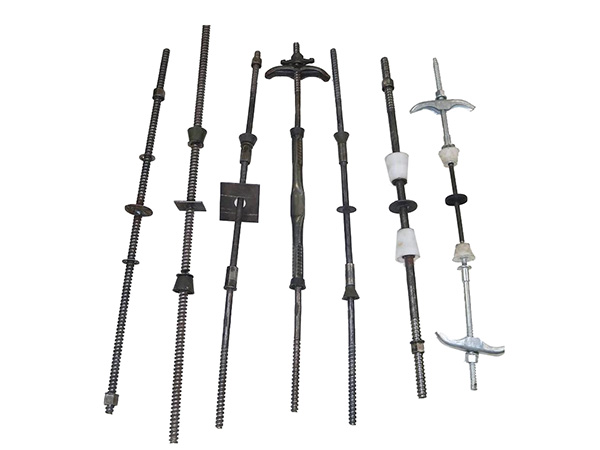
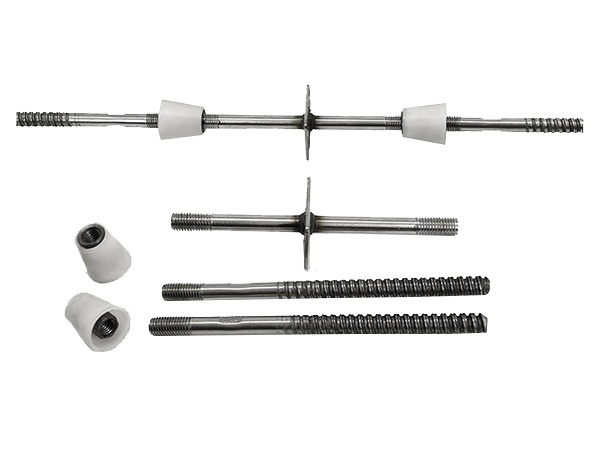
Types of Steel Support Used in Commercial Construction
Author:yicheng Date:2026-01-12 16:52:33 Hits:87
The Importance of Steel Support in Commercial Construction
Steel support is a fundamental component in commercial construction projects, providing the strength and reliability required for large-scale buildings such as offices, shopping centers, warehouses, and industrial facilities. Due to its high load-bearing capacity, flexibility in design, and long service life, steel support systems are widely adopted across different construction environments.
In modern construction, steel support is not only valued for its mechanical performance but also for its adaptability to complex architectural designs and fast installation requirements. Understanding the different types of steel support used in commercial construction helps project planners, engineers, and contractors select the most suitable solution for each application.
Structural Steel Beams and Columns
One of the most common forms of steel support in commercial construction is structural steel beams and columns. These components form the primary load-bearing framework of a building and are designed to support vertical and horizontal loads.
Steel beams are typically used to span large distances, making them ideal for open-plan commercial spaces. Columns transfer loads from beams down to the foundation, ensuring overall structural stability. The use of prefabricated steel support components allows for precise manufacturing and consistent quality, which is especially important for large projects requiring bulk production and standardized specifications from a reliable manufacturer.
Steel Support Frames
Steel support frames are widely used in commercial buildings where flexibility and modularity are required. These frames consist of interconnected steel members that form rigid or semi-rigid structures capable of supporting walls, roofs, and floors.
Steel support frames offer excellent resistance to dynamic loads such as wind and seismic forces. They are commonly applied in high-rise buildings, shopping malls, and industrial complexes. The ability to customize frame dimensions during production makes steel support frames suitable for projects with unique structural requirements.
Steel Trusses for Large-Span Structures
Steel trusses are an efficient steel support solution for covering large spans without the need for intermediate columns. They are commonly used in airports, exhibition halls, stadiums, and large commercial warehouses.
Trusses distribute loads evenly through triangular configurations, reducing material usage while maintaining structural strength. Steel support trusses are often manufactured in controlled production environments to ensure accuracy and performance. This approach also enables bulk supply for projects that require multiple identical truss units.
Steel Bracing Systems
Steel bracing systems are essential steel support elements designed to improve lateral stability. These systems help buildings resist forces caused by wind, earthquakes, and other external loads.
Common types of steel bracing include diagonal bracing, cross bracing, and moment-resisting frames. By integrating steel support bracing into commercial structures, engineers can enhance safety while minimizing material costs. Bracing components are typically standardized, making them suitable for mass production by experienced manufacturers.
Steel Support Plates and Base Plates
Steel support plates, including base plates and bearing plates, are used to distribute loads from columns or machinery evenly onto foundations or supporting surfaces. In commercial construction, these plates play a critical role in ensuring load transfer efficiency and reducing stress concentrations.
Precision in manufacturing is essential for steel support plates, as even minor deviations can affect structural performance. High-quality production processes ensure consistent thickness, flatness, and load-bearing capability, especially for projects requiring large quantities of identical components.
Temporary Steel Support Systems
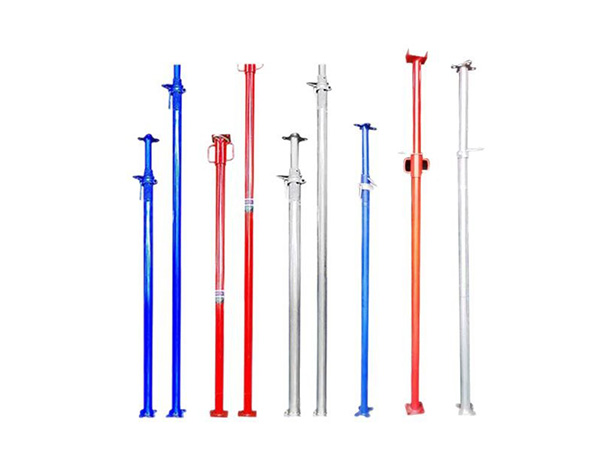
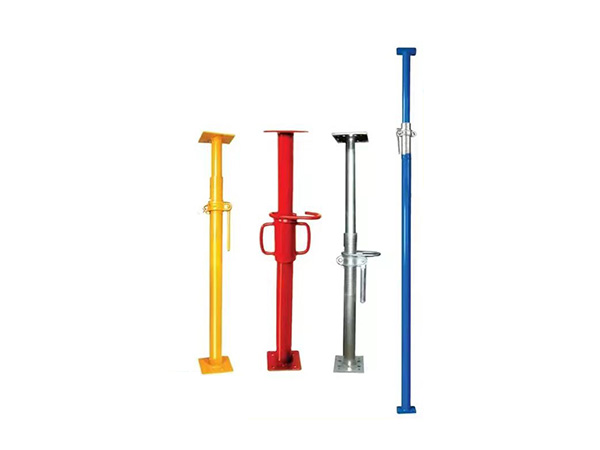
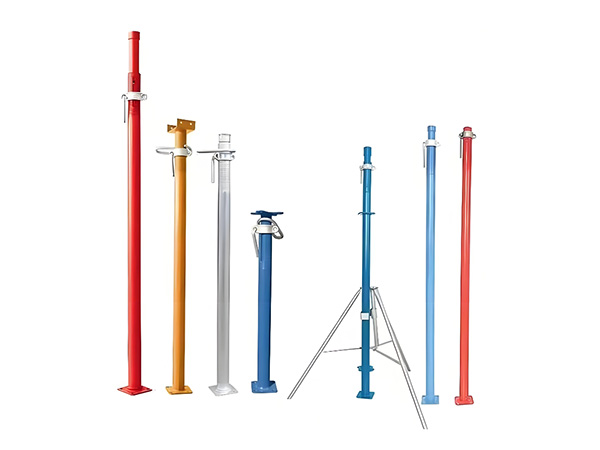
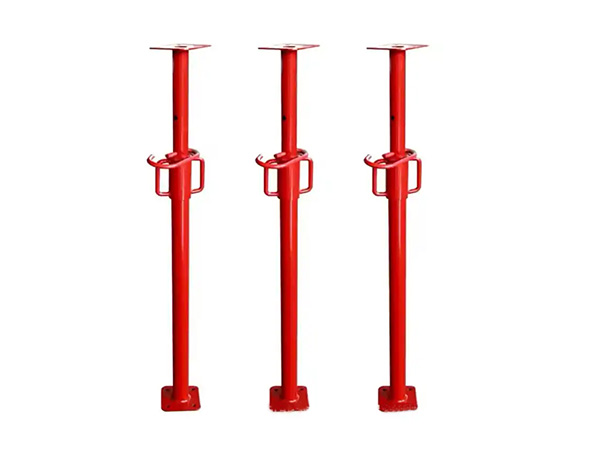
Temporary steel support systems are used during construction phases to stabilize structures before permanent supports are fully installed. These systems include steel props, shoring frames, and adjustable supports.
Although temporary, these steel support solutions must meet strict safety standards. Their reusability and ease of installation make them cost-effective for commercial projects with complex construction schedules. Many contractors rely on manufacturers capable of supplying standardized steel support systems in bulk to maintain efficiency on-site.
Advantages of Using Steel Support in Commercial Projects
Steel support offers several advantages over other materials in commercial construction:
·High strength-to-weight ratio
·Long service life with minimal maintenance
·Design flexibility for complex structures
·Compatibility with prefabrication and modular construction
·Efficient production and bulk supply capabilities
These advantages make steel support a preferred choice for modern commercial buildings.
Conclusion: Choosing the Right Steel Support Solution
Steel support remains a cornerstone of commercial construction due to its reliability, adaptability, and performance under demanding conditions. From structural beams and frames to trusses, bracing systems, and support plates, each type of steel support serves a specific function within a building’s structure.
Selecting the right steel support system requires careful consideration of load requirements, building design, and construction timelines. Working with experienced manufacturers that offer stable production capacity and bulk supply capabilities can help ensure consistent quality and timely delivery. Ultimately, well-designed steel support systems contribute significantly to the safety, efficiency, and longevity of commercial construction projects.
References
GB/T 7714:Rise A T S H. American Institute of Steel Construction[J]. 2005.
MLA:Rise, A. Two-Story High. "American Institute of Steel Construction." (2005).
APA:Rise, A. T. S. H. (2005). American Institute of Steel Construction.

Contact Us
Tel:+86-15831733891
E-mail:yichengbuildingmaterials@gmail.com
Add:100 meters south of Weicun Village, Hechengjie Town, Xian County, Cangzhou City, Hebei Province
Url:https://www.yc-buildingmaterials.com