







- Site Navigation -
NEWS LIST
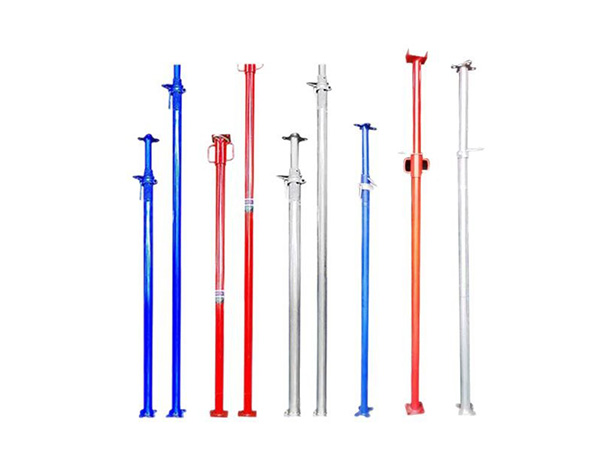
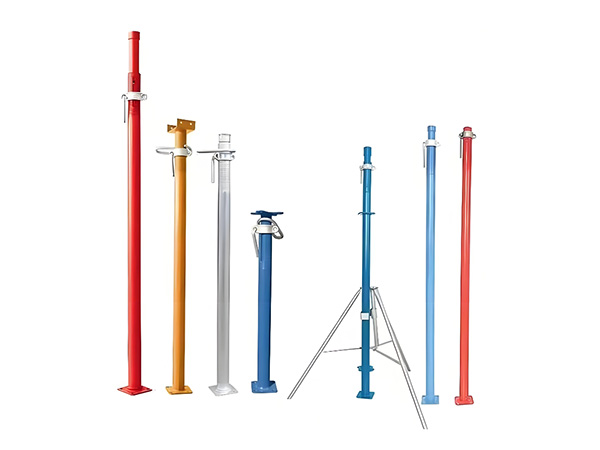
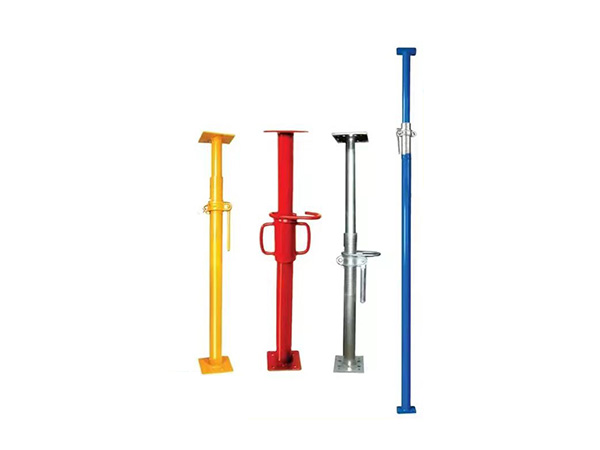
Understanding Load Strength: How Powerful Is an Adjustable Screw Jack?
Author:yicheng Date:2025-10-28 13:12:13 Hits:130
The Essential Role of Adjustable Screw Jacks
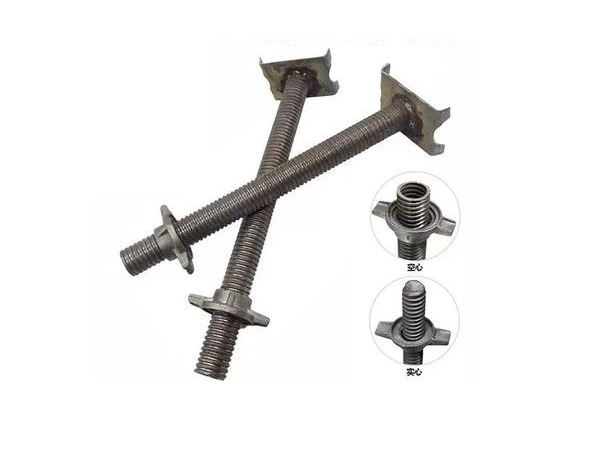
In every major construction site, scaffold system, or machinery setup, an Adjustable Screw Jack plays a crucial role in maintaining balance, elevation, and structural stability. Known for its strength and precise height control, this tool transforms manual torque into vertical lifting power — a mechanical advantage that has kept it indispensable for decades.
So, just how much load can an Adjustable Screw Jack handle? The answer depends on several interconnected design and operational factors — from thread geometry to steel composition and safety margins. Understanding these elements helps ensure both performance and safety across industrial applications.
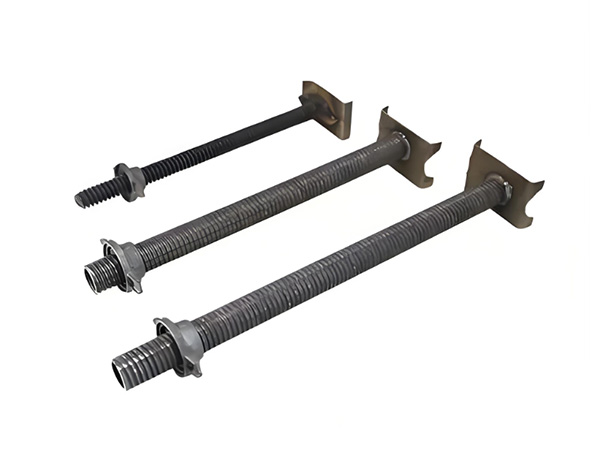
The Engineering Behind Adjustable Screw Jacks
At its core, an Adjustable Screw Jack operates through a simple yet powerful principle — the conversion of rotational motion into linear lifting force. A threaded spindle, supported by a robust nut or collar, enables controlled elevation or descent when turned.
The load strength primarily depends on:
·Thread type and size – Coarse threads handle greater weight, while fine threads allow smoother adjustment.
·Material grade – Hardened or alloy steel improves compressive resistance and extends service life.
·Base configuration – Larger base plates spread the load evenly, minimizing surface stress.
·Lubrication quality – Adequate greasing prevents frictional wear, ensuring consistent torque efficiency.
Through these design choices, screw jacks achieve impressive lifting power and dimensional stability even in challenging site conditions.
Load Ratings and Safety Margins
Every Adjustable Screw Jack is rated for a specific load capacity, representing the maximum safe load it can sustain under ideal conditions. Common units range from 5 to 50 tons, though heavy-duty models can exceed that.
In practice, engineers rarely approach the rated maximum. Instead, they incorporate a safety factor (typically between 1.5 and 2.0) to prevent structural failure.
For instance:
·A 25-ton jack may be used for 15–18 tons to maintain safety allowance.
·This margin accounts for uneven ground, vibration, and unexpected weight shifts.
A well-maintained jack operating within safe parameters ensures both equipment integrity and operator protection.
Advantages of Using Adjustable Screw Jacks
1. Micrometer-Level Height Control
Screw jacks allow incremental height adjustments — something hydraulic or pneumatic systems struggle to match. This precision is vital for machine alignment, formwork leveling, and scaffolding stability.
2. Heavy Load Endurance
Built from forged or high-carbon steel, Adjustable Screw Jacks can support extreme vertical loads while maintaining minimal deflection or creep deformation.
3. Simple Design, Long Service Life
The purely mechanical operation requires no complex parts, making it easy to maintain. Regular lubrication and cleaning are sufficient for years of reliable use.
4. Adaptable for Various Fields
Their applications cover:
·Civil construction and bridgework
·Equipment foundation alignment
·Shipyard and dock leveling
·Temporary building reinforcement
5. Sustainable and Reusable
Unlike disposable support systems, steel jacks are fully reusable, aligning with eco-friendly construction practices and waste reduction efforts.
Preventing Load Failure: Common Issues and Solutions
Even high-quality Adjustable Screw Jacks can fail under improper use. Common causes include:
·Excessive load beyond rated limits
·Unstable or sloped base placement
·Corroded or dry threads causing frictional wear
·Improper alignment, creating uneven pressure points
Preventive Measures:
·Place the jack on a stable, flat base or hardwood block.
·Lubricate threads before each use.
·Avoid sudden loading or impacts.
·Conduct visual inspections for cracks, rust, or deformation.
Following these steps can significantly extend lifespan and preserve full load performance.
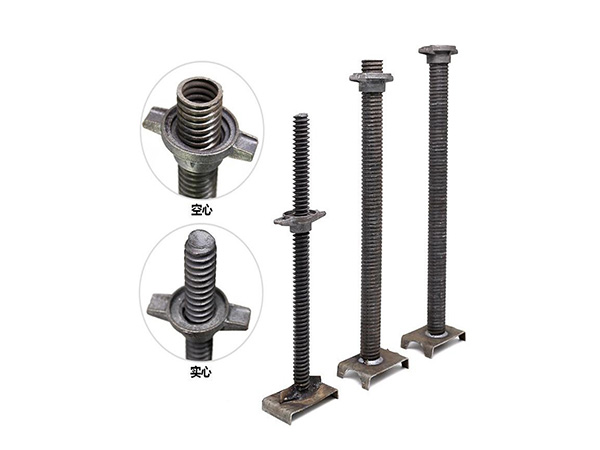
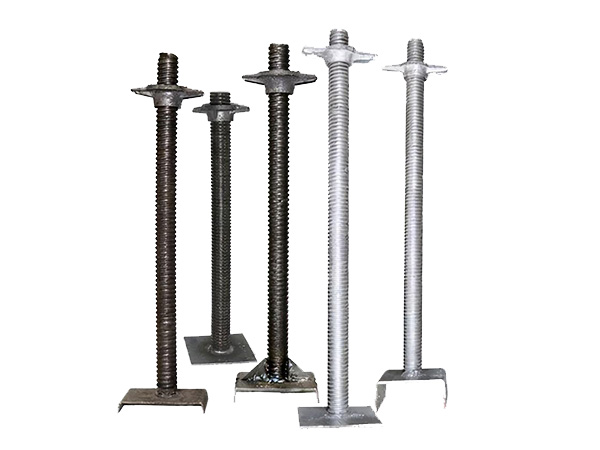
Selecting the Right Adjustable Screw Jack
When choosing a Screw Jack, focus on these technical aspects:
1.Nominal Load Rating – Always select a model rated higher than your expected maximum load.
2.Thread Geometry – Coarse threads for heavy lifting; fine threads for precision control.
3.Base and Head Design – Choose based on the surface type (flat, sloped, or rotating).
4.Steel Quality and Finish – Heat-treated, galvanized, or powder-coated steel resists corrosion.
Reliable China manufacturers provide direct factory supply with bulk order options, ensuring consistent quality and cost-effective procurement for construction and industrial buyers. These suppliers often follow ISO-certified production standards and can customize specifications for diverse project needs.
Maintenance for Long-Term Efficiency
To maintain the load-bearing strength of an Adjustable Screw Jack:
·Clean and grease threads regularly.
·Store upright in dry, shaded areas to avoid misalignment.
·Replace worn nuts, collars, or plates as needed.
·Check weld seams and base plates for fatigue cracks.
Proper care guarantees optimal performance over thousands of operating cycles.
Conclusion: Strength, Precision, and Reliability in One Tool
The Adjustable Screw Jack represents the perfect blend of simple mechanics and engineering resilience. Its high load capacity, precise adjustability, and structural durability make it indispensable in construction and industrial settings.
By sourcing directly from China manufacturers with bulk supply capabilities, users gain access to reliable, customizable, and affordable support systems built to meet global standards.
Ultimately, the real strength of an Adjustable Screw Jack lies not only in its tonnage rating but in its ability to deliver repeatable, safe, and precise load control — a foundation for stability in every heavy-duty project.
References
GB/T 7714:Borse N, Chaudhari A, Tadas V, et al. Screw jack mechanism for reducing effort[J]. Int. J. Innov. Sci. Res. Technol, 2024, 9(4): 2958-2968.
MLA:Borse, Nitin, et al. "Screw jack mechanism for reducing effort." Int. J. Innov. Sci. Res. Technol 9.4 (2024): 2958-2968.
APA:Borse, N., Chaudhari, A., Tadas, V., Atole, S., Ghune, S., & Kirte, A. (2024). Screw jack mechanism for reducing effort. Int. J. Innov. Sci. Res. Technol, 9(4), 2958-2968.

Contact Us
Tel:+86-15831733891
E-mail:yichengbuildingmaterials@gmail.com
Add:100 meters south of Weicun Village, Hechengjie Town, Xian County, Cangzhou City, Hebei Province
Url:https://www.yc-buildingmaterials.com