







- Site Navigation -
NEWS LIST
Understanding Wall-Tie Bolt Tension and Compression Behavior
Author:yicheng Date:2025-12-16 17:06:31 Hits:151
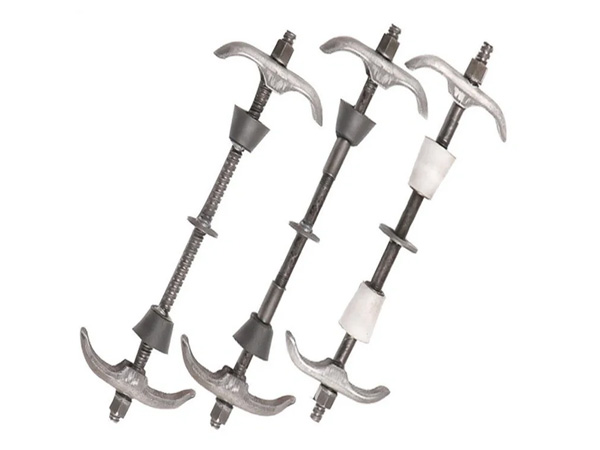
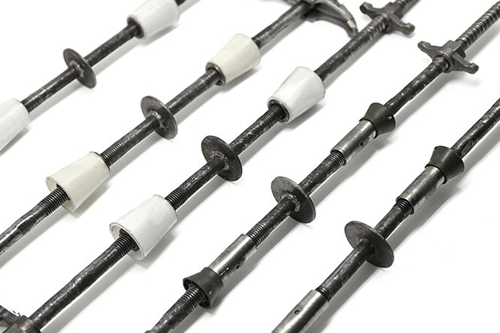
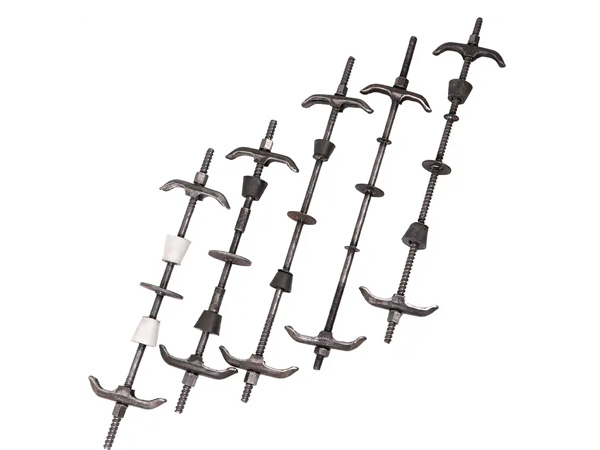
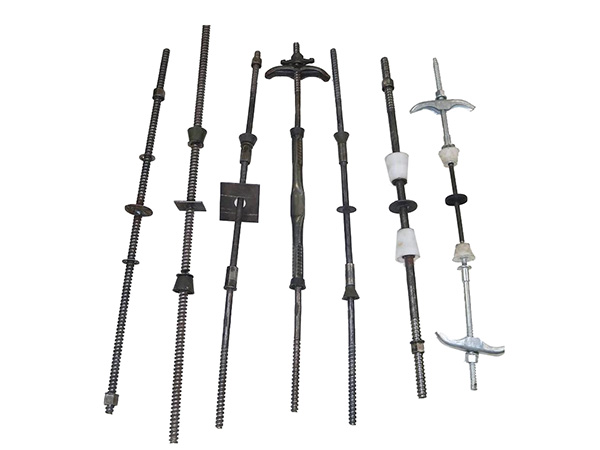
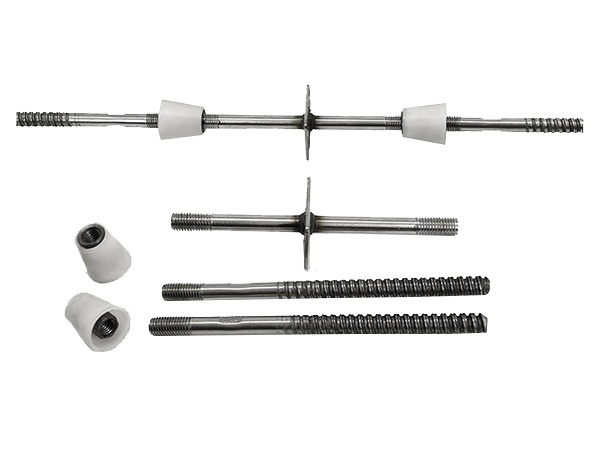
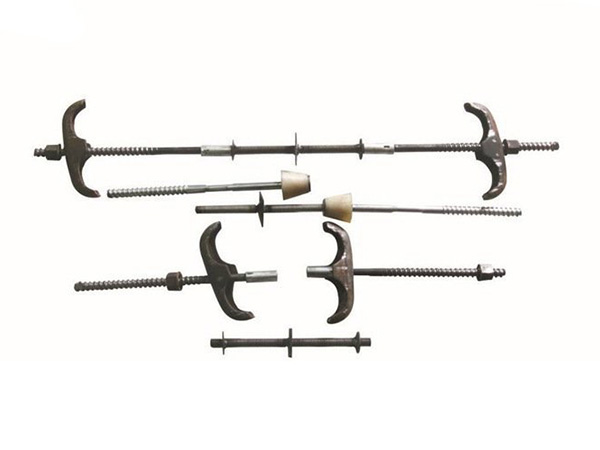
A Wall-Tie Bolt is a critical connector used in construction and structural reinforcement to secure masonry walls, retain stability, and resist both inward and outward forces. Its performance relies heavily on how it handles tension and compression, two fundamental loads that directly influence structural safety. Because many production environments depend on safe reinforcement components, manufacturers design wall-tie bolts to function reliably under varied mechanical stress.
Understanding these load behaviors helps builders, engineers, and maintenance teams evaluate structural needs, select proper bolt designs, and ensure long-term stability.
1. What Tension and Compression Mean in Wall-Tie Bolt Applications
Tension Behavior
Tension refers to a pulling force that tries to stretch the bolt. When a wall pushes outward or when wind loads exert pressure, the Wall-Tie Bolt counters the applied force by resisting elongation.
A well-designed bolt must maintain its structural integrity under tension to avoid cracking or separation between wall layers.
Compression Behavior
Compression, on the other hand, is a pushing force that attempts to shorten or crush the bolt. When structural elements move inward—commonly due to soil pressure, foundation shifts, or heavy equipment loads—the bolt must maintain stability while resisting deformation.
Both tension and compression responses determine how well the bolt stabilizes masonry or reinforced structural systems.
2. The Main Components That Influence Bolt Behavior
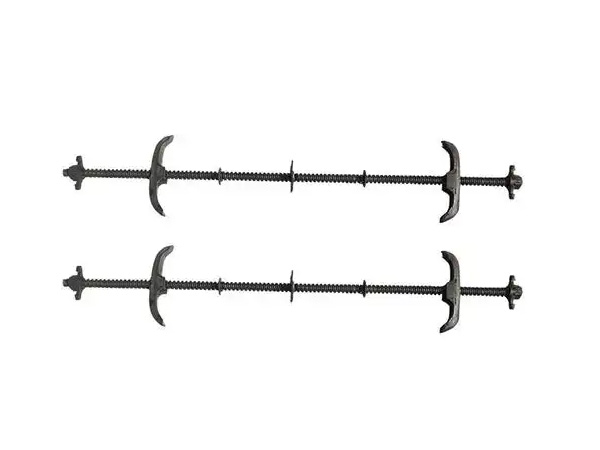
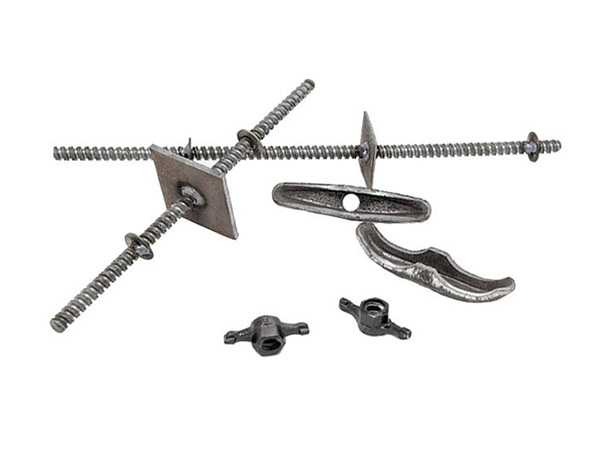
A Wall-Tie Bolt’s performance depends on several core mechanical elements:
• The Bolt Shaft
Usually made from high-strength steel, the shaft carries the majority of the tension and compression forces. Its diameter, coating, and material grade influence:
·Stress distribution
·Resistance to bending
·Corrosion protection
·Overall tensile capacity
• Threads and Engagement Length
The threading pattern determines how securely the bolt connects to wall plates or anchor systems.
Proper thread engagement increases:
·Load-carrying reliability
·Resistance to pull-out failures
·Structural bonding strength
• Anchor Plate or Tie End
The end connection transfers load from the bolt to the wall structure.
Common end designs include:
·Flat plates
·Hooked ends
·Expansion anchors
These elements ensure that tension forces don’t detach the connection and compression doesn’t cause crushing around the anchor point.
• Protective Coatings
Wall-Tie Bolts often include galvanized or coated surfaces to reduce corrosion over long building lifespans.
Corrosion resistance is essential, especially in environments with moisture or outdoor exposure.
3. How Wall-Tie Bolts React Under Different Load Conditions
Under Tension
When a Wall-Tie Bolt experiences tension, the primary factors that determine effectiveness include:
·Steel grade and tensile strength
·Thread design and anchoring depth
·Direction of applied force
·Fatigue resistance under fluctuating loads
Excessive tension without proper support may lead to elongation or eventual fracture.
Under Compression
Compression loads affect:
·Bolt straightness
·Surface friction
·Buckling resistance
If a bolt is too thin or lacks proper support, compression can cause bending or displacement.
4. Why Balanced Tension and Compression Resistance Matter
In real-world structural applications, Wall-Tie Bolts rarely experience a single type of load. Instead, they must handle combinations of:
·Thermal expansion
·Wind pressure
·Soil movement
·Structural shifting
·Vibrations from equipment
Correct performance under both tension and compression ensures:
·Structural alignment
·Prevention of cracking
·Safe retention of wall elements
·Long-term reinforcement stability
This is especially important in multi-story buildings, retaining walls, and industrial production facilities where dynamic forces are common.
5. Factors That Affect Overall Load Performance
Material Selection
High-quality steel enhances both tension and compression reliability.
Bolt Diameter and Length
Larger diameters resist bending and shear more effectively.
Installation Method
Improper angle or inadequate anchoring reduces load capacity and increases failure risk.
Environmental Conditions
Moisture, temperature variations, and chemical exposure can weaken the bolt over time.
6. Common Failure Modes to Be Aware Of
Understanding potential failure modes helps prevent structural issues. For Wall-Tie Bolts, failures may include:
·Thread stripping
·Bending under uneven compression
·Bolt head pulling out
·Fatigue cracking from cyclic tension
·Corrosion-induced weakening
Routine inspection ensures the bolt continues performing as intended.
Conclusion
A Wall-Tie Bolt must effectively withstand both tension and compression forces to maintain structural alignment and long-term stability. By understanding how its components—threads, anchor mechanisms, shaft geometry, and protective layers—respond to load conditions, users can choose reliable reinforcement solutions for construction and industrial environments. With ongoing improvements in material engineering and manufacturing techniques, well-designed wall-tie bolts continue to support safe, durable production operations and building systems.
References
GB/T 7714:Allen E, Iano J. Fundamentals of building construction: materials and methods[M]. John Wiley & Sons, 2019.
MLA:Allen, Edward, and Joseph Iano. Fundamentals of building construction: materials and methods. John Wiley & Sons, 2019.
APA:Allen, E., & Iano, J. (2019). Fundamentals of building construction: materials and methods. John Wiley & Sons.

Contact Us
Tel:+86-15831733891
E-mail:yichengbuildingmaterials@gmail.com
Add:100 meters south of Weicun Village, Hechengjie Town, Xian County, Cangzhou City, Hebei Province
Url:https://www.yc-buildingmaterials.com