







- Site Navigation -
NEWS LIST
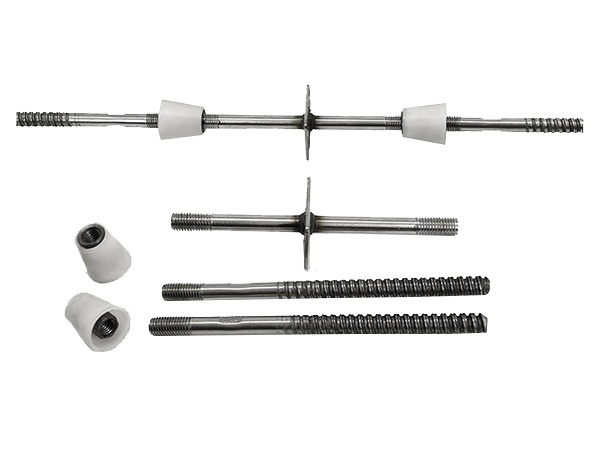
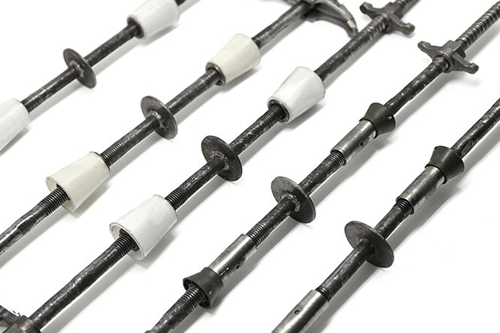
Wall-Tie Bolt Safety Standards Contractors Should Never Ignore
Author:yicheng Date:2025-10-30 14:25:48 Hits:86
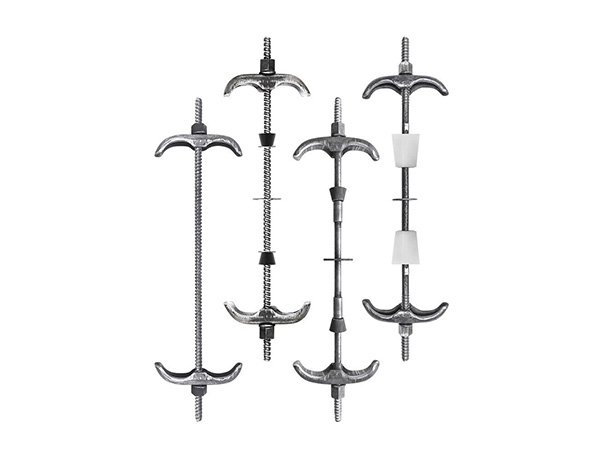
Building Safety Starts with Reliable Wall-Tie Bolts
In modern construction, Wall-Tie Bolts are more than simple connectors—they are structural lifelines that ensure the stability of masonry and concrete systems. These bolts hold wall layers together, distribute stress, and prevent separation under lateral pressure such as wind or soil loads.
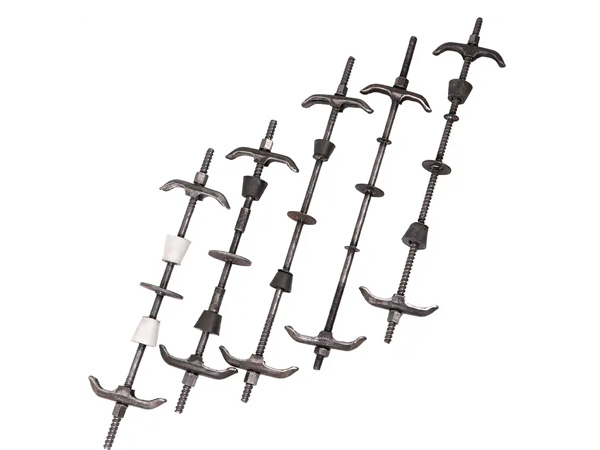
When these bolts fail due to poor materials or improper installation, the results can be catastrophic: wall cracking, misalignment, or even structural collapse. That’s why contractors must comply with globally recognized safety standards and select quality products from a China manufacturer capable of bulk Wall-Tie Bolt production with consistent inspection records.
1. The Role of Wall-Tie Bolts in Structural Stability
A Wall-Tie Bolt bridges different sections of a wall, helping to balance load distribution and resist external forces. In reinforced masonry or multi-layer systems, it prevents the outer façade from detaching from the supporting framework.
Depending on the project, Wall-Tie Bolts can be stainless steel, galvanized carbon steel, or alloy types—each suited for specific exposure and load conditions. Using the correct grade ensures structural safety and compliance with national and international standards.
2. Essential Wall-Tie Bolt Safety Standards
2.1 Material Performance
Wall-Tie Bolts must meet the mechanical property requirements outlined in standards like ASTM A307, BS EN 845-1, and ISO 898-1. These specify tensile strength, hardness, and corrosion resistance.
Contractors should confirm each batch is accompanied by mill certificates and coating reports. High-quality bolts from Chinese manufacturers often feature advanced galvanizing or stainless-steel finishing to improve long-term durability.
2.2 Corrosion Resistance
Corrosion remains one of the most common causes of fastener failure. In humid, coastal, or industrial environments, untreated steel deteriorates quickly.
Safety standards require protective coatings, such as zinc galvanization, epoxy, or the use of stainless materials. Routine checks should ensure coating integrity throughout the service life of the structure.
2.3 Load and Pull-Out Tests
Standards such as EN 1996-1-1 (Eurocode 6) and ACI 530 define how Wall-Tie Bolts should be tested for tensile and shear performance. These tests confirm that each fastener can handle designed loads with appropriate safety margins.
A trustworthy China manufacturer should provide official test certificates and traceable inspection data.
2.4 Installation Practices
Even the strongest bolt can fail due to poor installation. Recommended spacing, embedment depth, and torque settings must be followed precisely.
Over-tightening can damage masonry units, while insufficient torque may lead to loose connections. On-site supervision and calibrated tools are crucial for ensuring compliance.
2.5 Periodic Inspection and Maintenance
Wall-Tie Bolts should be inspected regularly after installation. Look for rust spots, deformation, or displacement. Early replacement of compromised components prevents more severe structural damage later.
3. International Codes and Regulations
Adherence to international codes enhances both safety and legal compliance. The most relevant include:
·ASTM A153 / A307 – Defines coating thickness and mechanical strength requirements.
·BS EN 845-1:2013 – Covers wall ties, straps, and fixing performance for masonry.
·Eurocode 6 (EN 1996-1-1) – Governs design methods for reinforced and unreinforced masonry.
·ISO 3506 – Establishes corrosion resistance and mechanical standards for stainless steel fasteners.
Meeting these standards ensures your Wall-Tie Bolts maintain consistent strength and reliability across diverse construction environments.
4. Frequent Mistakes That Compromise Safety
Even experienced builders occasionally overlook critical safety points. Common issues include:
·Using uncertified bolts without traceable documentation.
·Mixing different steel grades, leading to galvanic corrosion.
·Ignoring correct spacing and embedment depth.
·Failing to reapply protective coatings after exposure.
·Skipping periodic inspections after project completion.
Avoiding these mistakes not only prevents structural hazards but also demonstrates professional compliance with engineering best practices.
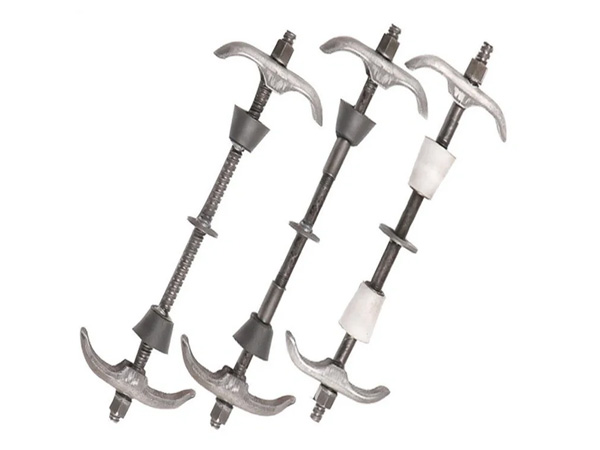
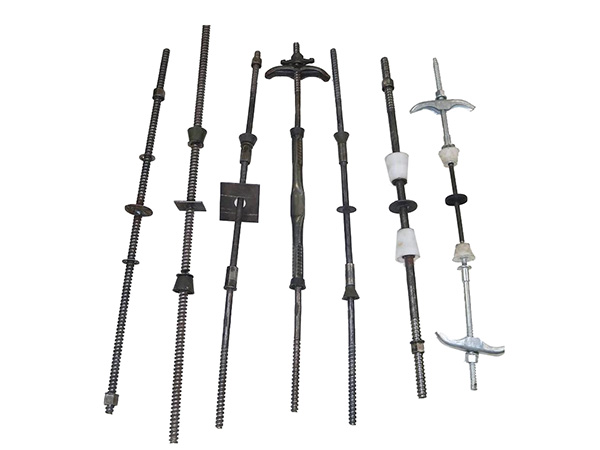
5. Selecting a Reliable Wall-Tie Bolt Supplier
Choosing the right supplier is the foundation of every safe project. A dependable China manufacturer offering bulk Wall-Tie Bolt supply should provide:
·Quality certification (ISO 9001 or equivalent).
·Comprehensive inspection reports (tensile, shear, and coating tests).
·Traceable production lots with detailed specifications.
·Technical guidance for custom or large-scale projects.
Working with a manufacturer that controls its own production lines and quality testing processes ensures every bolt performs as expected under demanding site conditions.
6. Advanced Production and Sustainability
Modern manufacturing in China has evolved significantly. Automated threading, precision heat treatment, and advanced galvanizing techniques now produce consistent, high-performance Wall-Tie Bolts.
Some suppliers also employ eco-friendly coating systems that reduce waste while enhancing corrosion protection—meeting both structural and sustainability requirements.
Conclusion: Safe Structures Begin with Certified Wall-Tie Bolts
Every contractor shares the same responsibility: ensuring every connection point in a building meets the highest safety standards. Wall-Tie Bolts, though small, play an enormous role in that mission.
By following ASTM, EN, and ISO safety guidelines—and by sourcing from a certified China manufacturer with reliable bulk Wall-Tie Bolt supply—you secure long-term performance and peace of mind.
In construction, safety is not negotiable. Trust in quality materials, verified testing, and proven production standards to build stronger, safer, and more enduring structures.
References
GB/T 7714:Lam C Y, Masia M, Chaves I, et al. Assessing Wall Tie Deterioration in Masonry Veneer Wall Through Vibration-Based Damage Identification Methods[J]. Buildings, 2025, 15(8): 1226.
MLA:Lam, Chee Yin, et al. "Assessing Wall Tie Deterioration in Masonry Veneer Wall Through Vibration-Based Damage Identification Methods." Buildings 15.8 (2025): 1226.
APA:Lam, C. Y., Masia, M., Chaves, I., Hossain, M. A., & Vazey, J. (2025). Assessing Wall Tie Deterioration in Masonry Veneer Wall Through Vibration-Based Damage Identification Methods. Buildings, 15(8), 1226.

Contact Us
Tel:+86-15831733891
E-mail:yichengbuildingmaterials@gmail.com
Add:100 meters south of Weicun Village, Hechengjie Town, Xian County, Cangzhou City, Hebei Province
Url:https://www.yc-buildingmaterials.com