







- Site Navigation -
NEWS LIST
What Is Steel Support? A Beginner’s Guide for Construction Teams
Author:yicheng Date:2025-12-04 14:58:25 Hits:198
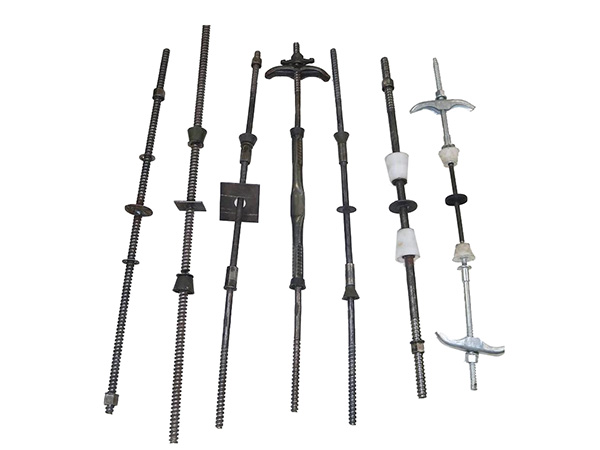
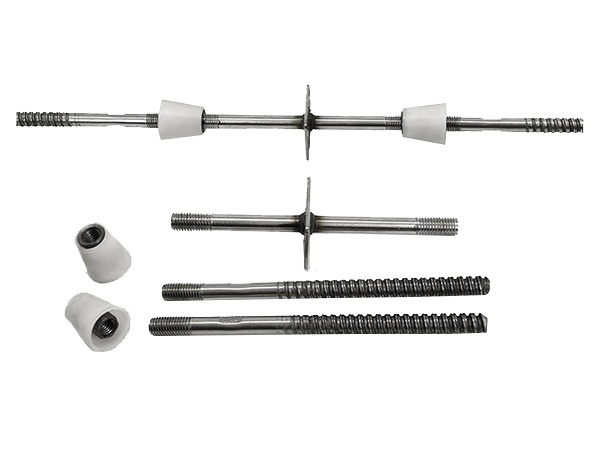
In nearly every construction environment, Steel Support serves as a critical element that keeps structures stable, secure, and properly aligned. Whether your team is working on high-rise foundations, bridge platforms, tunnel systems, or temporary shoring, steel-based structural components are often the backbone of load management and hazard prevention.
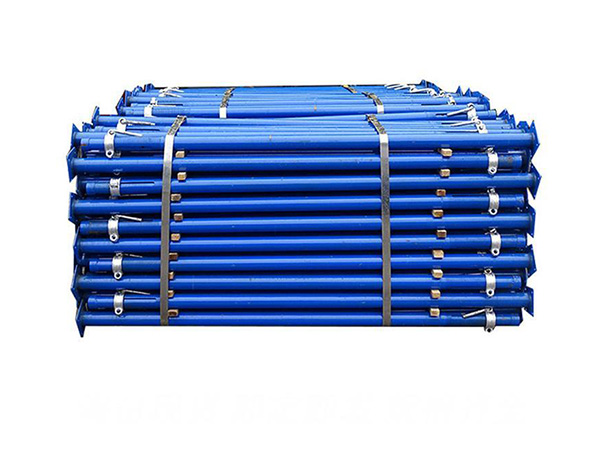
For teams sourcing from a Steel Support Manufacturer with controlled Production and reliable Bulk Supply capabilities, understanding how steel supports function will help you select components that deliver long-term safety and performance.
What Exactly Is Steel Support?
The term Steel Support refers to any steel-based component designed to carry loads, distribute weight evenly, and reinforce structural elements temporarily or permanently. Because steel offers exceptional strength, durability, and resistance to bending, these supports are essential for managing vertical, horizontal, and dynamic loads during construction.
Steel supports are used in:
·Formwork and concrete work
·Foundation stabilization
·Scaffolding systems
·Temporary shoring
·Permanent building frameworks
·Underground reinforcement
Their versatility makes them indispensable on both small and large construction sites.
Why Construction Teams Depend on Steel Support
1. Outstanding Strength and Load Capacity
Steel’s mechanical properties make it one of the strongest materials available for structural applications. High-density steel supports can handle heavy loads without buckling, which is essential when holding freshly poured concrete or supporting multi-level structures.
2. Consistent, Predictable Performance
Quality Steel Support delivers uniform load distribution, minimizing the risk of misalignment or shifting. When produced with strict standards, steel supports offer dependable performance across various situations, helping prevent structural instability.
3. Faster Site Workflow
Most steel supports—especially adjustable types—are engineered for quick assembly, repositioning, and calibration. Teams can adapt to changes in site elevation, weight distribution, or installation angles more efficiently.
4. Long-Term Value Through Reusability
Because steel withstands environmental exposure and deformation better than many materials, high-quality supports can be reused on numerous projects. This contributes to cost savings and operational efficiency.
Main Categories of Steel Support in Construction
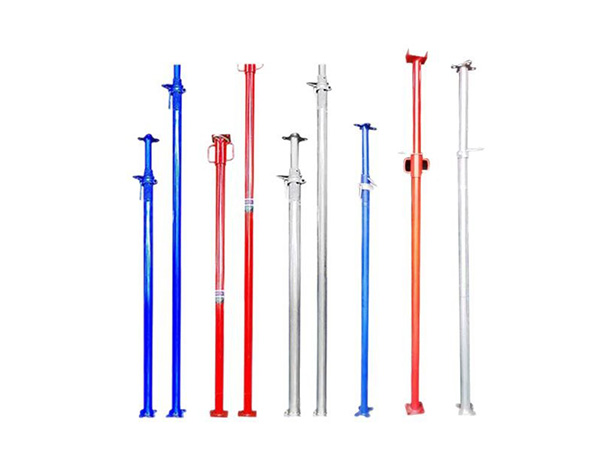
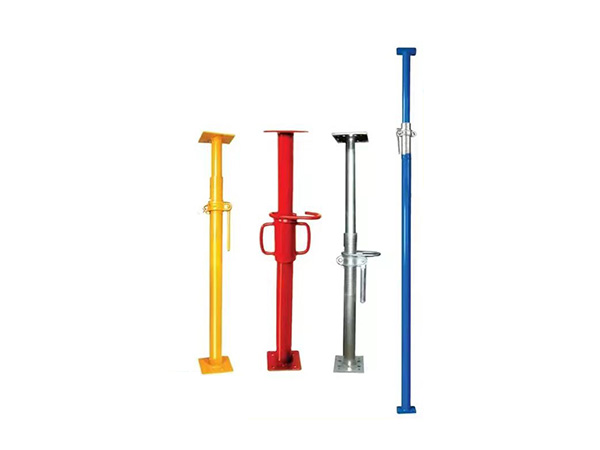
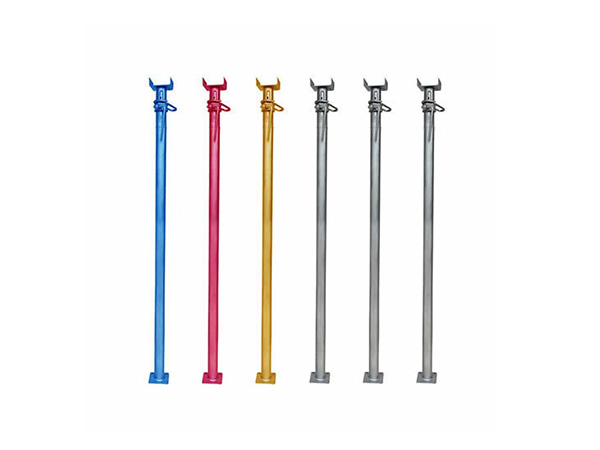
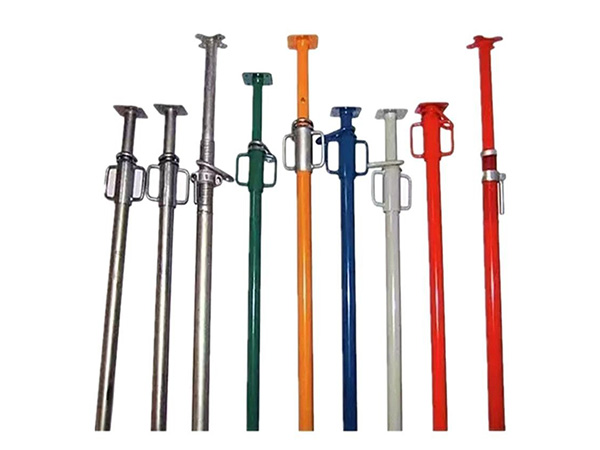
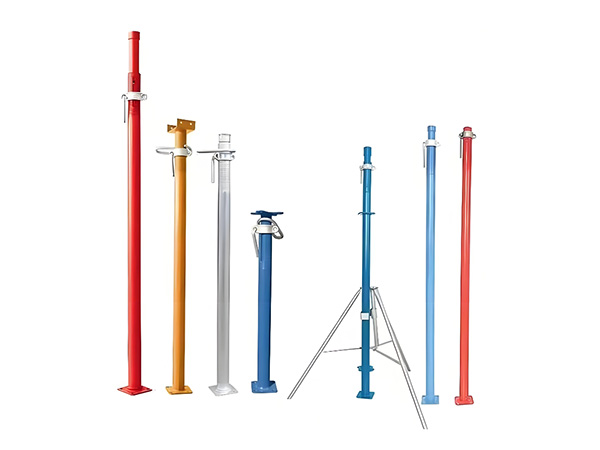
1. Adjustable Steel Props
Used widely in formwork and slab support, these props can be lengthened or shortened to achieve accurate positioning during structural work.
2. Structural Steel Columns & Beams
These are permanent components that form the skeleton of buildings. They support long-term loads and provide vital structural rigidity.
3. Steel Bracing Systems
Braces protect structures from lateral forces such as wind or seismic movement. They are critical for maintaining stability during construction and beyond.
4. Steel Frames for Shoring
Used in temporary load-bearing applications such as bridge repair or large excavations, these frames support heavy structures during transitional phases.
5. Tunnel and Underground Steel Supports
Reinforcement arches, steel ribs, and frames keep soil layers stable during mining or underground construction.
Each type of Steel Support serves a specific structural purpose, and selecting the correct one helps ensure project safety and resource efficiency.
How to Select the Right Steel Support
1. Verify Material and Production Quality
Ensure the steel meets recognized safety and performance standards. Look for consistent welding quality, corrosion protection, and verified load ratings.
2. Understand Project Load Requirements
Using supports rated below project needs can compromise safety. Always match steel support specifications to expected loads.
3. Seek Adjustability When Needed
Adjustable supports provide greater flexibility on uneven terrain or complex construction sites.
4. Choose a Manufacturer with Strong Production Ability
A professional Steel Support Manufacturer with stable Production and customizable output can guarantee:
·Uniform quality
·Fast delivery
·Tailored designs
·Reliable Bulk Supply
A manufacturer that controls production can also ensure better traceability and quality consistency.
5. Factor in Environmental Conditions
In coastal, humid, or corrosive areas, galvanized or protected steel is essential to maintain durability.
How Steel Support Enhances Job-Site Efficiency
Supports Concrete Loads
With stable load-bearing performance, steel supports prevent sagging or misalignment during curing.
Improves On-Site Safety
Quality supports reduce risks caused by shifting loads or unstable frameworks.
Accelerates Construction
Quick installation and adjustability help teams stay on schedule, even in unpredictable site conditions.
Reduces Long-Term Structural Problems
Properly installed steel supports contribute to structural accuracy, minimizing later maintenance or safety concerns.
Installation Tips for Construction Crews
·Conduct a structural and soil assessment before installation
·Check vertical alignment using leveling tools
·Inspect every Steel Support component before use
·Ensure locking mechanisms are fully tightened
·Follow load-capacity guidelines strictly
·Schedule routine inspections throughout the project
Correct installation ensures both safety and long-term structural accuracy.
Conclusion: Steel Support Remains a Foundation of Modern Construction
From skyscrapers to tunnels to large-scale infrastructure, Steel Support continues to play a central role in building safety and structural stability. Its strength, adaptability, and reliability make it an irreplaceable component across construction applications.
Choosing the right Steel Support Manufacturer—one with dependable Production processes and the ability to offer Bulk Supply—ensures your projects benefit from consistent quality and long-lasting performance. With the proper supports in place, construction teams can work more efficiently, safely, and confidently.
References
GB/T 7714:Ju H, Jiang W, Hu X, et al. A Study on the Seismic Performance of Steel H-Column and T-Beam-Bolted Joints[J]. Applied Sciences, 2025, 15(9): 4643.
MLA:Ju, Hongtao, et al. "A Study on the Seismic Performance of Steel H-Column and T-Beam-Bolted Joints." Applied Sciences 15.9 (2025): 4643.
APA:Ju, H., Jiang, W., Hu, X., Zhang, K., Guo, Y., Yang, J., & Hao, K. (2025). A Study on the Seismic Performance of Steel H-Column and T-Beam-Bolted Joints. Applied Sciences, 15(9), 4643.

Contact Us
Tel:+86-15831733891
E-mail:yichengbuildingmaterials@gmail.com
Add:100 meters south of Weicun Village, Hechengjie Town, Xian County, Cangzhou City, Hebei Province
Url:https://www.yc-buildingmaterials.com