







- Site Navigation -
NEWS LIST
Why Adjustable Screw Jack Is Essential in Scaffolding Support
Author:yicheng Date:2025-12-30 10:06:22 Hits:74
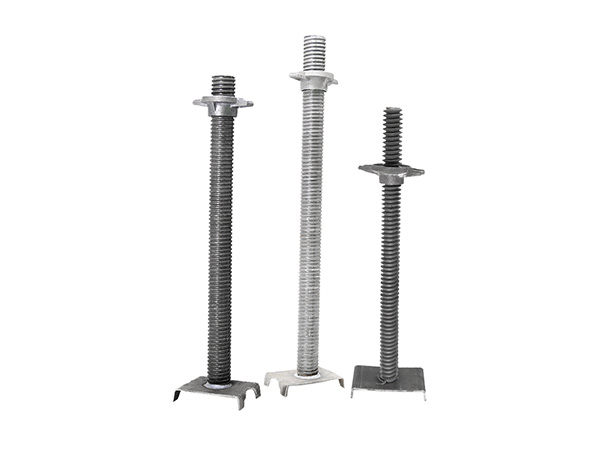
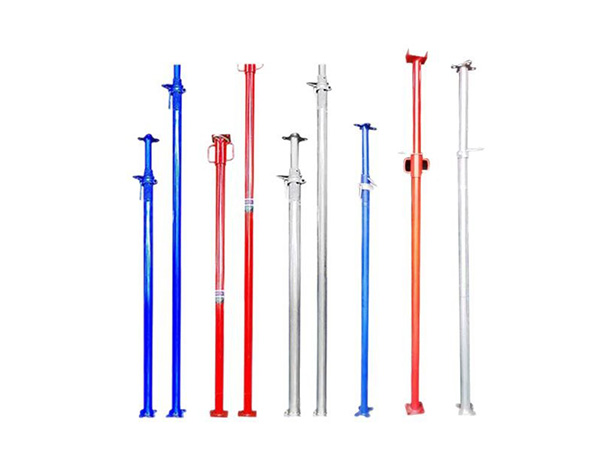
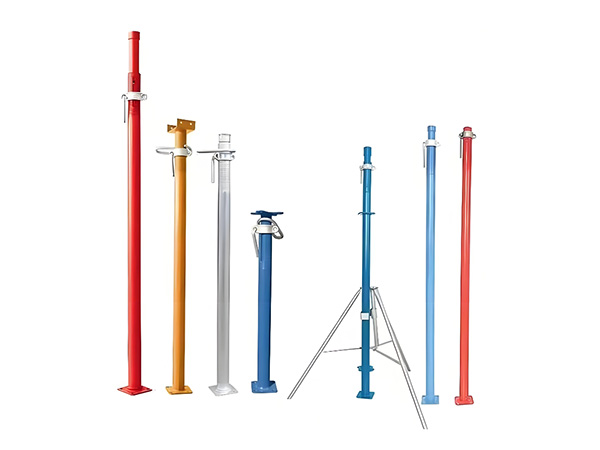
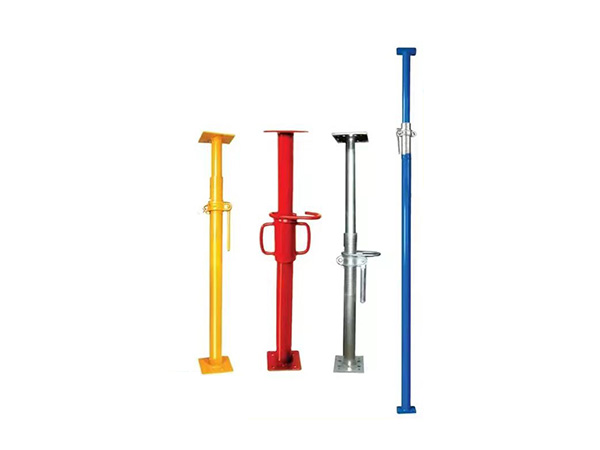
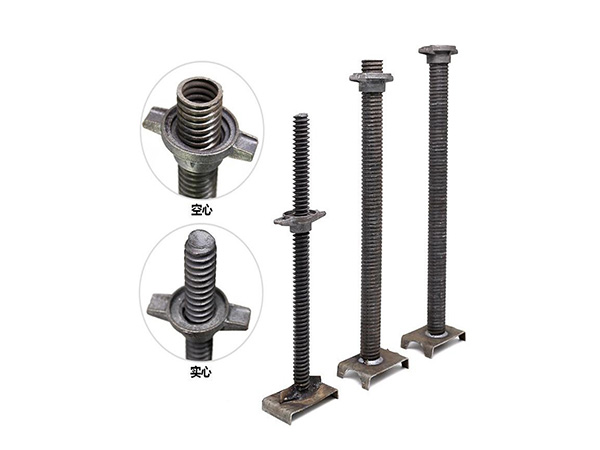
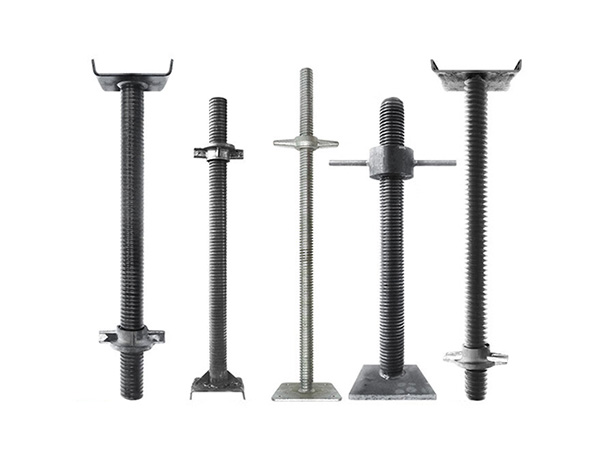
In modern construction environments, scaffolding systems must provide not only access but also reliable structural support. Among the many components involved, Adjustable Screw Jack stands out as one of the most essential elements in ensuring scaffolding stability and load control. Often positioned at the base of scaffolding structures, it directly affects how loads are transferred to the ground and how evenly forces are distributed.
While it may appear to be a simple mechanical component, the performance of an adjustable screw jack is closely tied to design precision, material quality, and manufacturing consistency. For contractors, engineers, and buyers sourcing from manufacturers with large-scale production and bulk supply capability, understanding the true value of adjustable screw jacks helps prevent structural risks and improves overall project efficiency.
1. The Function of Adjustable Screw Jack in Scaffolding Systems
The primary purpose of an Adjustable Screw Jack is to provide vertical adjustment and stable load-bearing support at the base of scaffolding. Construction sites are rarely perfectly level, and uneven ground conditions can introduce dangerous stress points into scaffolding structures.
By allowing precise height adjustment, screw jacks help:
·Level the entire scaffolding system
·Compensate for surface irregularities
·Ensure uniform load transfer
Without proper adjustment at the base, even well-designed scaffolding frameworks may experience instability.
2. Load Distribution and Structural Stability
Scaffolding systems are subject to dynamic loads, including worker movement, material handling, and environmental forces. Adjustable screw jacks play a critical role in distributing these loads evenly across the structure.
A properly manufactured screw jack can support significant vertical loads while maintaining alignment. This reduces the risk of localized overloading, which is a common cause of scaffolding deformation or failure. Stable load distribution improves both safety and structural longevity.
3. Precision Adjustment for Safer Construction
Fine-thread adjustment is one of the key advantages of adjustable screw jacks. Small changes in height can be made without dismantling the scaffolding, allowing crews to maintain level platforms throughout the project.
This adjustability:
·Enhances on-site safety
·Reduces time spent on reassembly
·Improves working comfort for personnel
From a production standpoint, precision threading and dimensional accuracy are essential. Manufacturers with controlled production processes ensure that adjustment mechanisms operate smoothly and consistently across bulk supply orders.
4. Material Strength and Durability
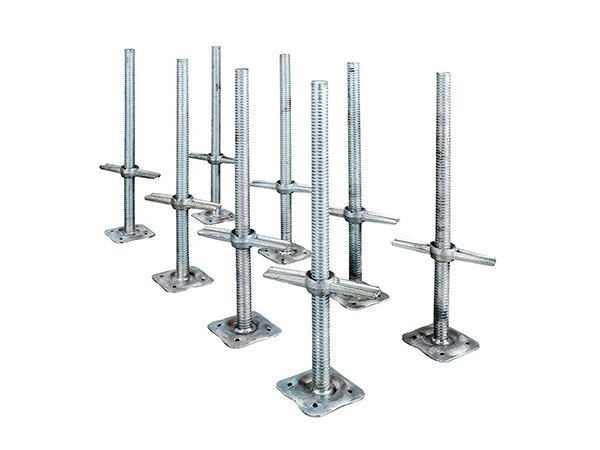
Adjustable screw jacks are exposed to heavy loads, moisture, debris, and repeated use. Material selection directly affects their durability and performance.
High-quality steel provides the necessary compressive strength and resistance to deformation. Surface treatments and protective coatings further enhance corrosion resistance, extending service life in demanding environments.
Reliable manufacturers focus on consistent material sourcing and standardized production methods to maintain uniform strength across large quantities, which is especially important for long-term scaffolding projects.
5. Compatibility with Different Scaffolding Systems
Another reason Adjustable Screw Jack is essential lies in its versatility. These components are designed to integrate with various scaffolding configurations, making them suitable for different construction applications.
Standardized dimensions and thread designs allow screw jacks to work seamlessly with frames, tubes, and base plates. This compatibility simplifies logistics and reduces the need for multiple support solutions on a single job site.
6. Manufacturing Quality and Production Consistency
The performance of adjustable screw jacks depends heavily on manufacturing precision. Inconsistent threading, uneven welding, or dimensional deviations can compromise load-bearing capacity and adjustment accuracy.
Experienced manufacturers emphasize:
·Controlled machining processes
·Consistent welding standards
·Batch-level quality inspections
Such production discipline ensures that each adjustable screw jack performs predictably, even when supplied in bulk quantities for large-scale construction projects.
7. Efficiency in Installation and Project Management
From a practical standpoint, adjustable screw jacks improve construction efficiency. Quick installation and easy adjustment reduce setup time and labor costs.
When components are produced with consistent quality, crews can install scaffolding faster without on-site modifications. This efficiency becomes especially valuable on projects with tight schedules or frequent scaffold repositioning.
8. Long-Term Value and Cost Effectiveness
Although adjustable screw jacks may represent a small portion of total scaffolding cost, their impact on safety and stability is significant. Poor-quality components often lead to premature replacement, downtime, or safety incidents.
By sourcing adjustable screw jacks from manufacturers capable of stable production and reliable bulk supply, buyers benefit from:
·Longer service life
·Reduced maintenance
·Improved project continuity
Over time, these advantages outweigh any short-term cost savings from lower-quality alternatives.
Conclusion
Adjustable Screw Jack is a fundamental component in scaffolding support systems, directly influencing stability, safety, and construction efficiency. Its ability to provide precise height adjustment, reliable load distribution, and long-term durability makes it indispensable on modern construction sites.
Beyond design, the true performance of adjustable screw jacks depends on manufacturing quality, controlled production processes, and the ability to supply consistent components at scale. When sourced from capable manufacturers, adjustable screw jacks contribute to safer structures, smoother operations, and more reliable project outcomes.
For scaffolding systems that demand both flexibility and strength, adjustable screw jack remains an essential support solution.
References
GB/T 7714:Chen W F, Lui E M. Handbook of structural engineering[M]. CRC press, 2005.
MLA:Chen, Wai-Fah, and Eric M. Lui. Handbook of structural engineering. CRC press, 2005.
APA:Chen, W. F., & Lui, E. M. (2005). Handbook of structural engineering. CRC press.

Contact Us
Tel:+86-15831733891
E-mail:yichengbuildingmaterials@gmail.com
Add:100 meters south of Weicun Village, Hechengjie Town, Xian County, Cangzhou City, Hebei Province
Url:https://www.yc-buildingmaterials.com