







- Site Navigation -
NEWS LIST
Why Wall-Tie Bolt Precision Matters in Structural Engineering
Author:yicheng Date:2025-12-02 14:48:02 Hits:108
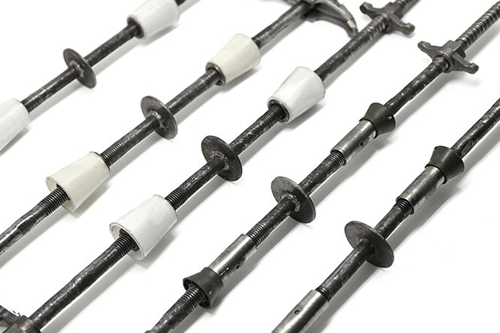
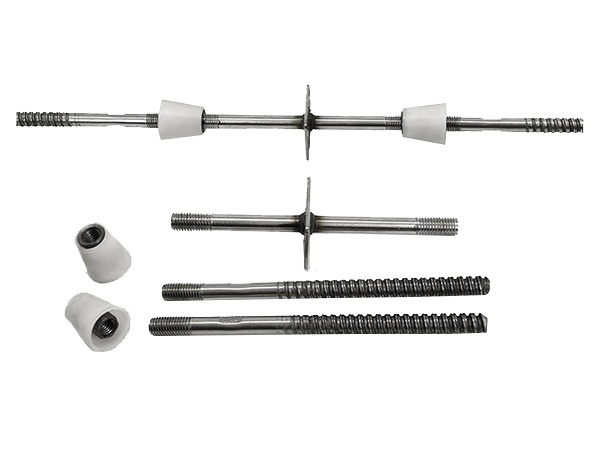
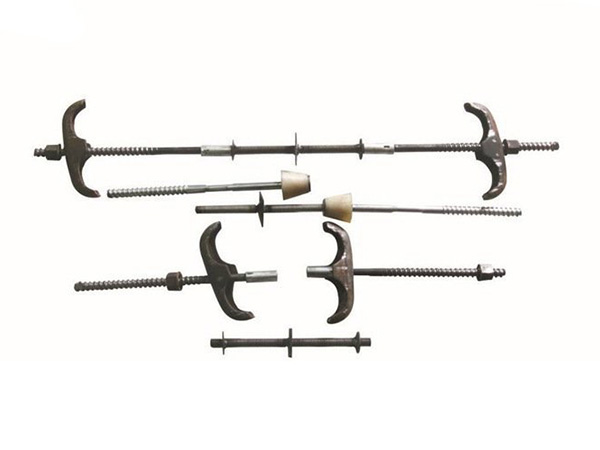
In modern construction, small hardware pieces often determine whether a structure stands firm for decades or becomes vulnerable to early failure. One such component is the Wall-Tie Bolt, a key connector used to anchor masonry to structural frames. For projects relying on bulk purchasing from a specialized Manufacturer, precision in bolt Production is essential. High-accuracy Wall-Tie Bolts ensure that buildings remain stable, safe, and capable of handling increasingly complex loading conditions.
Because these bolts serve as the hidden anchors within walls, engineers depend heavily on the accuracy of each piece. When manufactured with strict precision, Wall-Tie Bolts significantly enhance structural performance across residential, commercial, and industrial applications.
How the Wall-Tie Bolt Functions Within Structural Systems
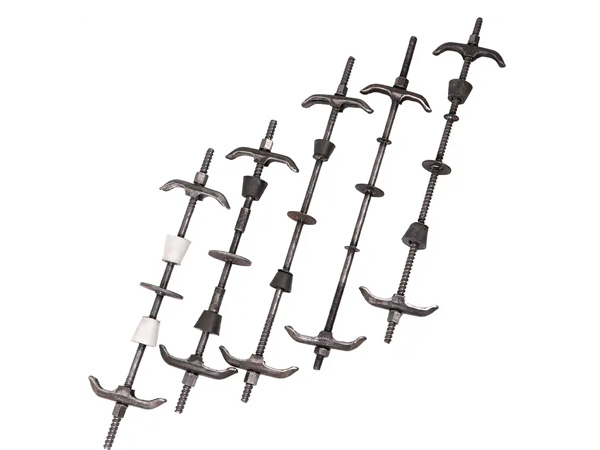
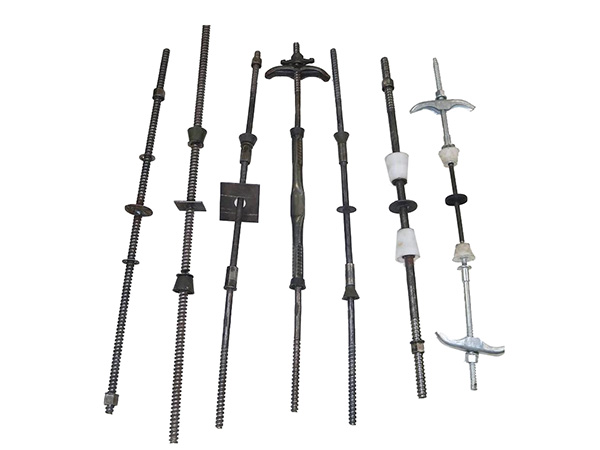
Despite its simple appearance, the Wall-Tie Bolt plays a crucial role in multi-layer wall systems. Its primary functions include:
·Keeping masonry securely fastened to backing structures
·Enhancing lateral strength to resist wind and seismic movement
·Distributing structural loads across different materials
·Maintaining wall alignment throughout the structure’s lifespan
When precision is lacking, the bolt may not anchor properly, leading to separation, cracking, or even wall instability. This is why precision in Wall-Tie Bolt Production is an engineering priority.
Why Precision Defines Wall-Tie Bolt Quality
1. Accurate Manufacturing Ensures Load Stability
For a Wall-Tie Bolt to perform as intended, its threads, shaft diameter, and engagement depth must be manufactured with close tolerances. A precise bolt:
·Transfers compressive and tensile forces reliably
·Locks securely into anchors or structural frames
·Prevents deformation during high-load conditions
Even minor discrepancies can cause uneven stress distribution, weakening the wall assembly.
2. Better Safety Under Environmental and Structural Stress
Structural engineering safety relies on consistent and predictable connector performance. Poorly produced Wall-Tie Bolts can fail under:
·Repeated load cycles
·High wind pressure
·Lateral movement from earthquakes
·Vibration from machinery or heavy traffic
Precision-engineered bolts provide a stable interface between building materials, reducing the risk of structural distress or collapse.
3. Longer Service Life Through Enhanced Durability
A Wall-Tie Bolt built with accurate machining experiences less stress during operation. Precision improves long-term durability by:
·Reducing thread wear and stripping
·Enhancing coating adhesion for corrosion resistance
·Minimizing metal fatigue under dynamic loads
For long-standing structures, this reliability is critical.
4. Precision Supports Faster and More Efficient Installation
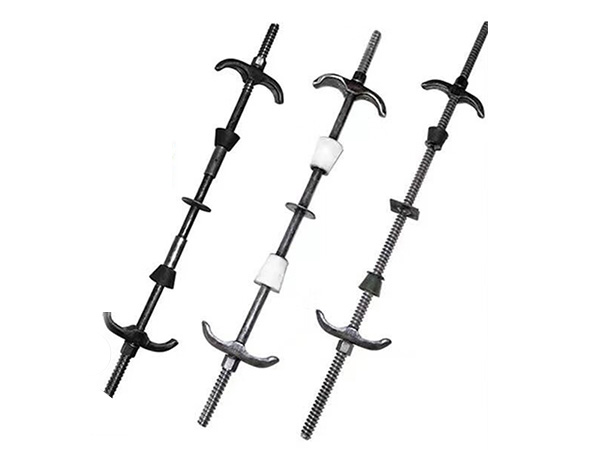
Contractors often face delays when low-quality bolts fail to align or engage properly. High-precision bolts:
·Fit correctly without repeated adjustments
·Speed up installation time
·Minimize material waste and rework
·Provide consistent performance across the jobsite
In large projects where thousands of Wall-Tie Bolts are installed, precision dramatically improves construction efficiency.
5. Consistency Across Bulk Manufacturing Is Essential
When sourcing from a high-capacity Manufacturer, contractors expect uniformity across every shipment. Precision-controlled Production ensures:
·Identical dimensions across all bolts
·Predictable performance during inspections
·Compatibility with standardized masonry systems
·Reduced risk of mismatched components
Consistency directly influences long-term structural reliability.
Key Factors That Influence Wall-Tie Bolt Precision
1. Raw Material Integrity
Using high-strength steel or alloy ensures a stable response under tension, compression, and cyclic loading.
2. Machining Technology
Modern CNC systems, automated cutting tools, and digital measurement equipment allow precise shaping and threading.
3. Surface Treatment Accuracy
Galvanized or coated surfaces protect against corrosion. Precision ensures coatings apply uniformly and bond properly.
4. Tight Dimensional Tolerances
Maintaining strict tolerances ensures that bolts fit seamlessly into anchors, concrete, and masonry assemblies.
5. Rigorous Quality Testing
Reliable manufacturers test for:
·Thread quality
·Coating thickness
·Shear and tensile performance
·Dimensional accuracy
Such testing ensures no defective bolt reaches a construction project.
How Precision Affects Overall Structural Engineering Outcomes
Improved Wall Performance
Accurate Wall-Tie Bolts ensure stronger connections between structural layers, improving the building’s overall stability.
Greater Resistance to External Forces
Structures using precise bolts withstand wind, vibrations, and seismic activity more effectively.
Enhanced Safety in High-Rise and Long-Span Buildings
Tall structures require reliable load transfer mechanisms to prevent façade movement or displacement.
Better Long-Term Structural Integrity
Over decades, precise bolts maintain stronger connections and experience less degradation.
Future Trends in Precision Wall-Tie Bolt Production
As construction technologies evolve, the production of Wall-Tie Bolts is also advancing. Modern trends include:
·AI-driven error detection during machining
·Robotics to improve Production consistency
·More advanced anti-corrosion treatments
·Environmentally friendly coating processes
·Stronger and lighter steel alloys
These innovations contribute to even greater precision, ensuring that Wall-Tie Bolts continue meeting modern engineering requirements.
Conclusion
Every Wall-Tie Bolt contributes to the stability of a structure, making precision in manufacturing a critical factor. From load transfer and safety to long-term performance, accurately produced bolts outperform low-quality alternatives in every category. When sourced from a dedicated Manufacturer with high-volume Production capacity, precision bolts help ensure faster construction, improved reliability, and safer buildings.
In structural engineering, precision isn’t just a technical advantage—it is the foundation of dependable, long-lasting construction.
References
GB/T 7714:Baddoo N R. Stainless steel in construction: A review of research, applications, challenges and opportunities[J]. Journal of constructional steel research, 2008, 64(11): 1199-1206.
MLA:Baddoo, N. R. "Stainless steel in construction: A review of research, applications, challenges and opportunities." Journal of constructional steel research 64.11 (2008): 1199-1206.
APA:Baddoo, N. R. (2008). Stainless steel in construction: A review of research, applications, challenges and opportunities. Journal of constructional steel research, 64(11), 1199-1206.

Contact Us
Tel:+86-15831733891
E-mail:yichengbuildingmaterials@gmail.com
Add:100 meters south of Weicun Village, Hechengjie Town, Xian County, Cangzhou City, Hebei Province
Url:https://www.yc-buildingmaterials.com